







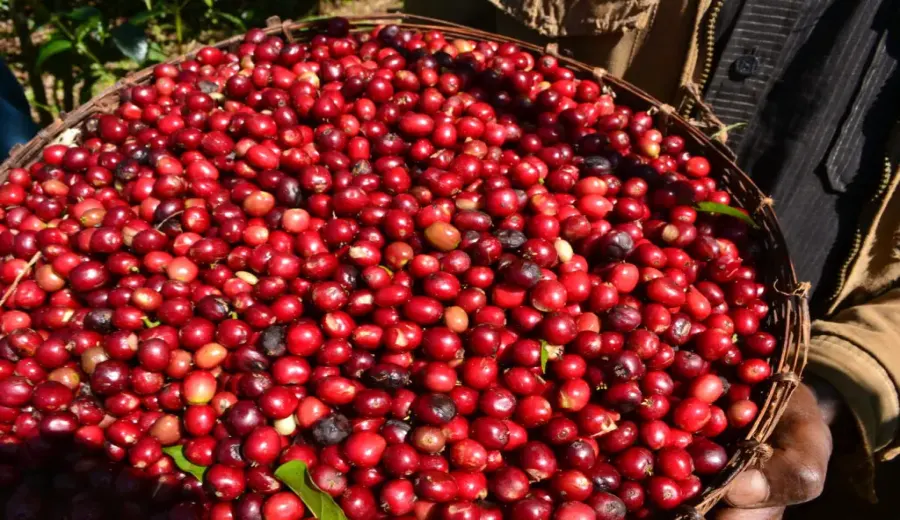
Introduction:Yirgacheffe is Ethiopia’s most iconic high-altitude specialty coffee region, renowned for its delicate floral notes and bright fruity acidity. This article delves into the flavor differences between the region’s washed and natural processing methods, introduces the background of the Gedeb and Konga cooperatives, and through practical cupping and pour-over parameter comparisons, helps you grasp the unique charm and brewing essentials of Yirgacheffe.
Yirgacheffe (Yirgacheffe) is the core coffee-producing area in Ethiopia’s southern Gedeo Zone. Originally part of Sidamo, it was designated as an independent region years ago due to its distinctive flavor profile. The region generally sits at elevations between 1,700 and 2,100 meters, with a cool, foggy climate, fertile soil, and diverse microclimates that contribute to the bright acidity, intricate floral notes, and citrus tones characteristic of Yirgacheffe coffee beans.
When people think of Yirgacheffe, the first thing that comes to mind is often its garden-like aroma—jasmine, lemon, and white floral notes interwoven with a tea-like body and gentle fruity acidity. It leaves a clean, layered aftertaste. This flavor profile makes Yirgacheffe a top choice for many coffee enthusiasts exploring specialty coffee and a classic bean among pour-over aficionados.
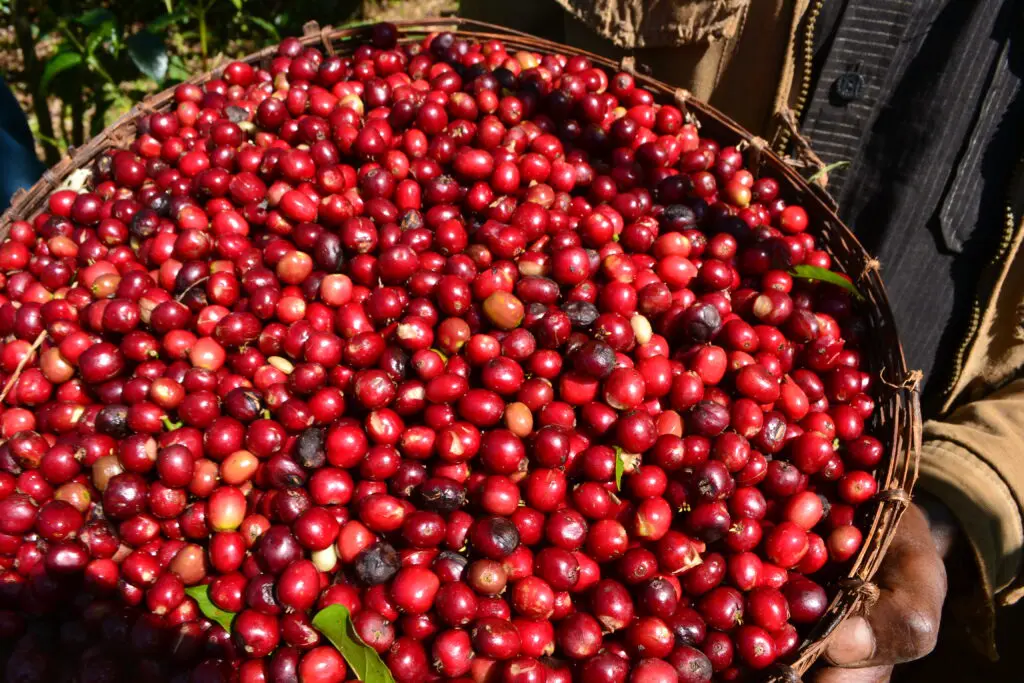
Coffee cultivation in the Yirgacheffe region is predominantly smallholder-based, with farmers often growing coffee in their backyards or intercropped with other plants. Production per household is limited, representing a typical high-altitude, garden-style coffee farming model. The so-called “Yirgacheffe flavor” typically includes bright lemon or lime acidity, elegant white floral notes, and the sweetness of stone fruits like peaches and apricots, with some even carrying subtle tea-like finish. The overall profile is both refreshing and layered.
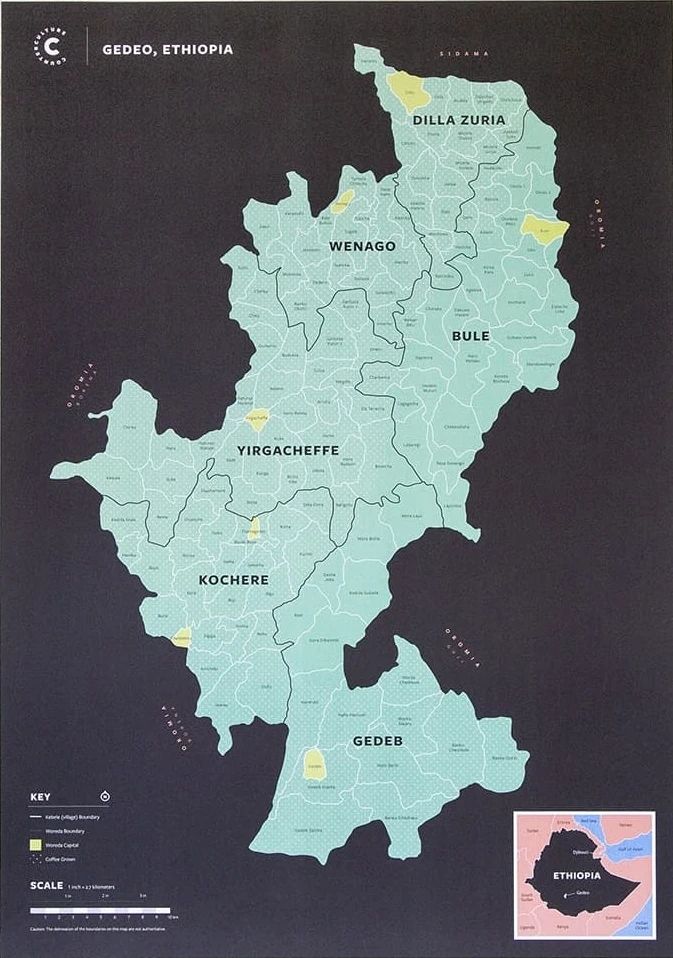
Within the ECX (Ethiopian Commodity Exchange) classification, Yirgacheffe is mainly divided into four key regions: Wenago, Yirgacheffe, Kochere, and Gelana Abaya. Among them, the town of Gedeb, located south of Yirgacheffe, is administratively and auction-wise often grouped under Kochere. However, it sits at higher elevations (generally between 1,900 and 2,200 meters) with more favorable climate conditions for cultivating premium coffee, gradually earning recognition as a micro-region with distinct characteristics.
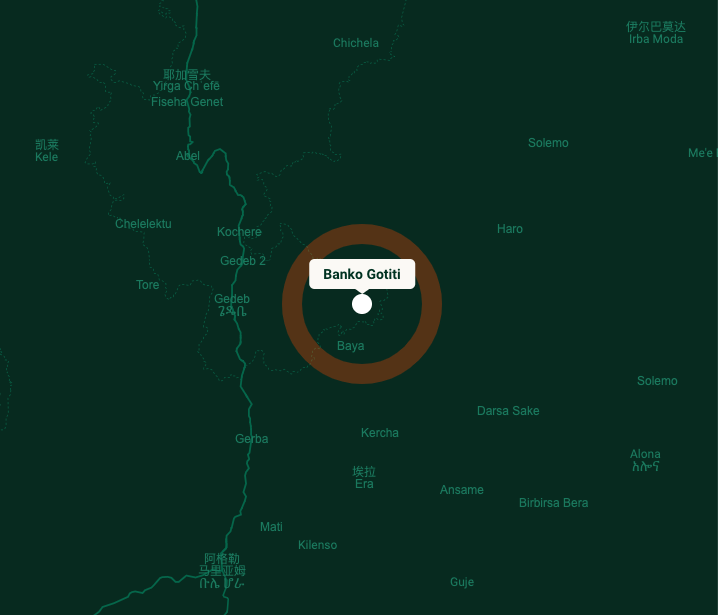
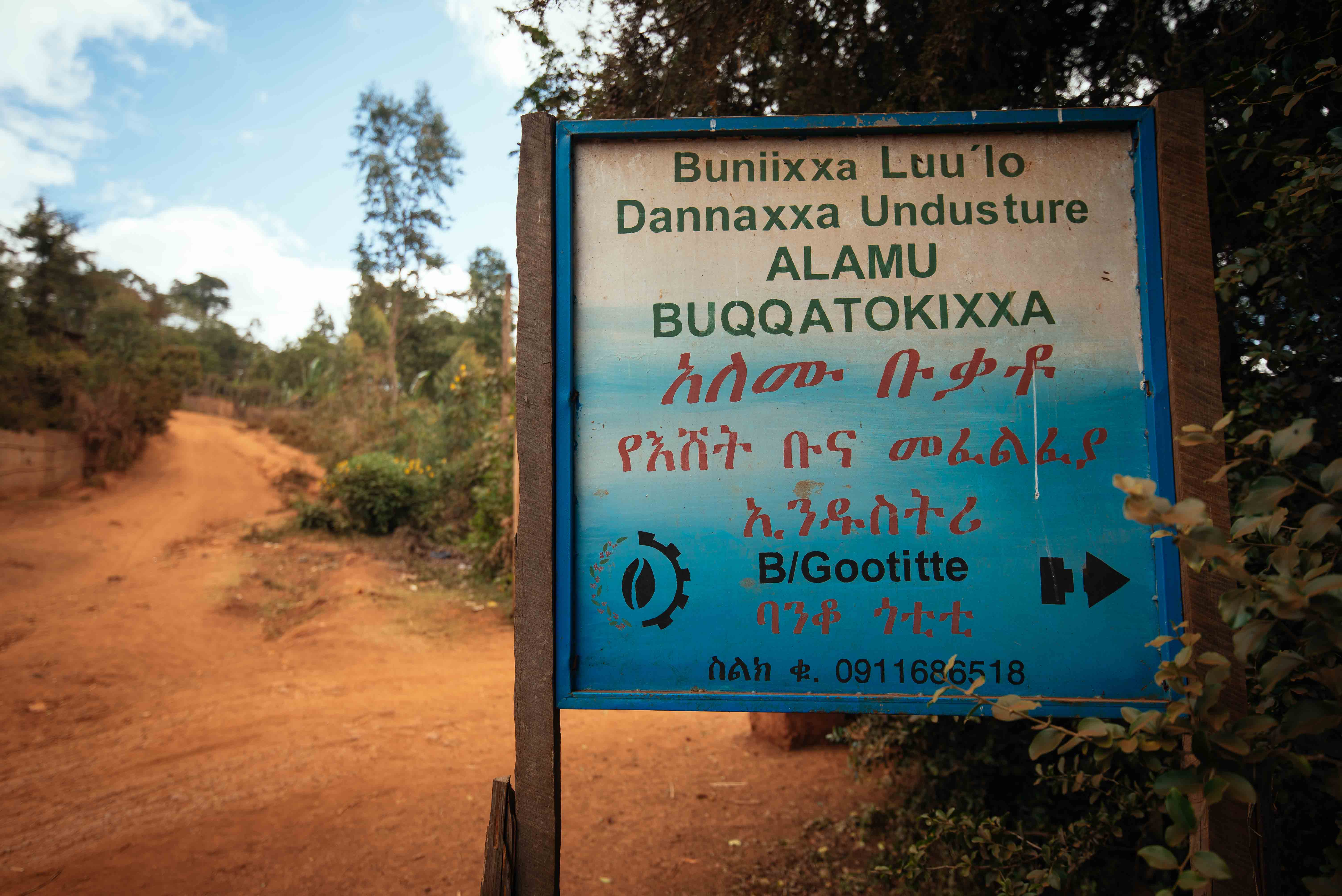
Gedeb is home to several well-known coffee villages, including Worka, Halo Bariti, Banko Gotiti, and Banko Dahato. The coffees from these villages, influenced by varying microclimates and processing methods, each showcase unique flavor potentials. Among them, the Banko Gotiti Cooperative has become a notable name in the international specialty coffee market in recent years.
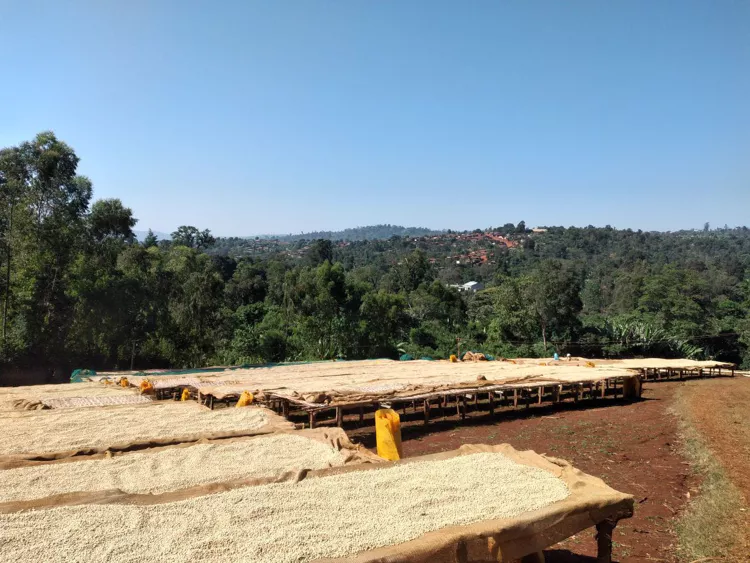
Established in 2012, the Banko Gotiti Cooperative was originally part of the Worka Cooperative under the Yirgacheffe Coffee Farmers Cooperative Union (YCFCU) and now consists of about 300 smallholder farmers. The cooperative adheres to traditional and meticulous processing methods, including both washed and natural processes, and leverages high altitudes and excellent field management to produce representative Yirgacheffe flavors. Located at the southern tip of Yirgacheffe with unique geographical conditions, its beans often exhibit richer fruitiness and a fuller body.
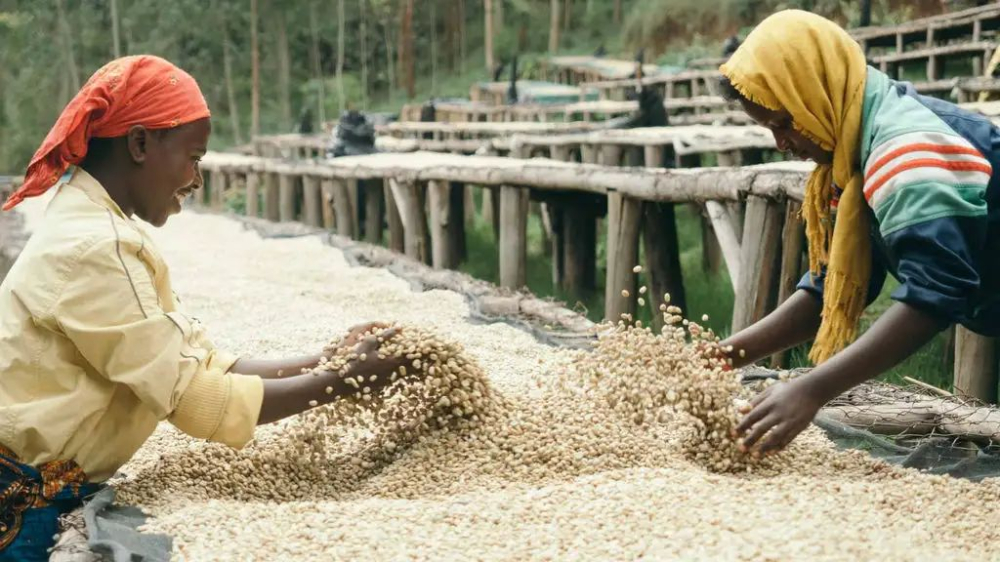
In terms of processing, Ethiopia’s washed technique was introduced from Central and South America in 1972. The process is complex and water-intensive, making it more costly than the natural method, but it effectively highlights the intrinsic flavor characteristics of the beans. The washed process includes: sorting (using floatation to remove unripe cherries), pulping, fermentation (approximately 18–36 hours), washing, and drying. This process effectively reduces impurities and off-flavors, allowing the coffee to showcase a cleaner citrus and lemon acidity, along with soft white floral notes and a tea-like body.
In contrast, the natural process retains the coffee cherry’s pulp during fermentation and drying. Though riskier, when done correctly, it can impart more intense fermentation aromas, tropical fruit notes, and a fuller body and sweetness. This is why many Yirgacheffe natural beans exhibit complex flavors such as berries, mango, and even wine-like notes.
Ethiopia boasts an exceptionally diverse range of coffee varieties. The commonly used term “heirloom” actually stems from the country having over 2,000 coffee varieties, including 1,927 native and 128 introduced ones. Due to the vast number of varieties—many of which are wild or semi-wild—the government has not fully disclosed specific variety information, hence the general use of “heirloom.” This also explains why Ethiopian coffee beans often vary in size and shape.
Below is a sample (for illustrative purposes only, not an endorsement) of roasting and cupping data analysis for a Yirgacheffe Banko Gotiti washed lot from a coffee brand: Roasted using a Yangjia 800N roaster, with an inlet temperature of 175°C, air damper at 3, and heat at 120; turning point at 1’32”, adjusted damper and heat after the beans turned yellow, entering the main drying and Maillard reaction stages. First crack started at 9’38”, with a development time of 1’30”, and final discharge temperature of 193.5°C. Agtron bean color value was 74.6, crema value 79.8, Roast Delta 5.2, placing it in the medium-light to light roast range, ideal for highlighting floral and fruity notes.
Cupping results showed that this washed Yirgacheffe exhibited flavors of tropical fruits, cream, honey, berries, and citrus, with bright acidity, a clean mouthfeel, pronounced tea-like notes, and a green-tea-like aftertaste. The layered profile was clear and long-lasting. Practical pour-over testing used a Hario V60 filter, with a water temperature of 91°C, a 1:15 coffee-to-water ratio, medium-fine grind (80% passing through a #20 sieve), and a staged extraction: 34g bloom for 36 seconds, then slow pouring to 120g, followed by pouring to 229g for completion, with a total extraction time of about 2 minutes—fully showcasing its delicate floral-fruity notes and balanced acidity-sweetness.
Comparing the washed and natural lots from Banko Gotiti side by side, the flavor differences are striking: the washed version features citrus, lemon, and white floral notes as its core, with bright acidity, a soft mouthfeel, and a tea-like finish; the natural version, on the other hand, showcases more intense fermentation aromas, tropical fruits, and berry notes, with higher sweetness, a more persistent citrusy acidity-sweetness in the aftertaste, and a fuller body. This comparison not only helps coffee enthusiasts understand how processing methods influence flavor but also allows them to choose the Yirgacheffe profile that best suits their personal taste preferences.
The above content is compiled by CoffeeHunters, a coffee news website.


