







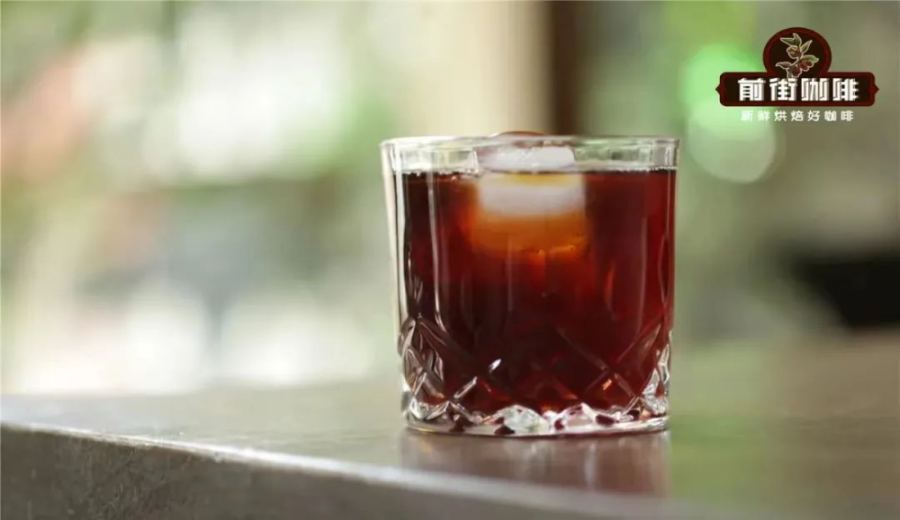
Introduction:Want to brew a crystal-clear, layered cold drip coffee at home? This article will delve into the core principles of cold drip brewing, including the ideal coffee-to-water ratio range, optimal grind size selection, equipment setup, and step-by-step procedure. It will also explain the differences between cold drip and cold brew, the reasons for using ice water extraction, and include details such as the correct use of filter paper, helping you master this classic slow-drip technique and enjoy the flavors released slowly at low temperatures.
In hot seasons, a refreshing and layered cold drip coffee is often the top choice for coffee enthusiasts. Compared to regular cold brew or instant drinks, cold drip coffee, with its slow extraction and low-temperature immersion, can fully showcase the fruit acids, sweetness, and delicate aromas of the beans themselves, making it perfect for savoring slowly.
The basic equipment needed to make cold drip coffee includes a dedicated cold drip kettle, freshly roasted coffee beans, a grinder, suitable filter paper, as well as ice cubes and purified water. Among them,the cold drip kettle is key—its design uses gravity to let ice water slowly drip through the coffee grounds, gradually extracting the flavor compounds. It's important to note that simply mixing coffee grounds with room temperature or iced water and letting it sit is considered cold brew or cold immersion, not true cold drip technique.
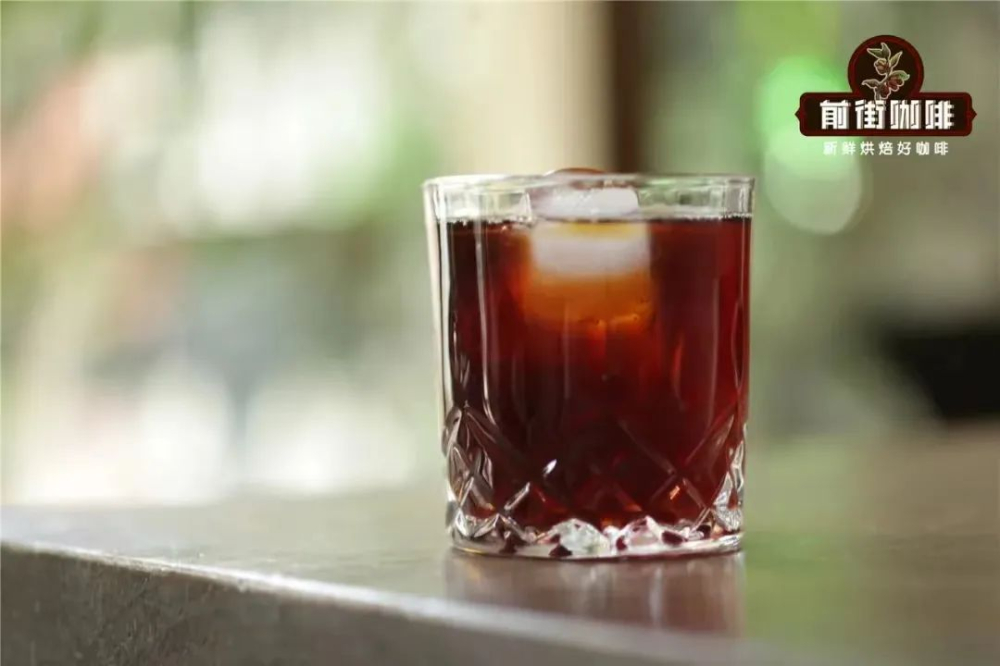
The structure of a cold drip kettle is mainly divided into an upper chamber and a lower chamber. The upper chamber holds the ice water mixture, and some models allow the dripping speed to be adjusted via a valve, while others control the flow rate by the diameter of the outlet hole. During extraction, start by placing around filter paperon the filter cup that holds the coffee grounds. This helps distribute the water droplets evenly. Then, spread out the ground coffee, but do not press it down firmly—keep the coffee bed naturally fluffy to allow water to flow through easily.
Regarding thecoffee-to-water ratiofor cold drip coffee, the recommended range is generally between 1:8 and 1:10. For example, if you use 100 grams of coffee grounds, the upper chamber should contain a total of about 800 to 1000 grams of ice water mixture, and it’s suggested that the ice to water ratio be around 1:1 to maintain a stable low-temperature extraction environment. If your cold drip kettle has a valve adjustment function, you can set the dripping speed to about 7 to 8 drops per 10 seconds, which helps control the overall extraction time and flavor balance.
In terms ofgrind size, coffee grounds for cold drip should be slightly finer than those for pour over. Tested using a standard 0.85 mm sieve, the passing rate should be around 85%. This setting ensures that the water drips slowly through the coffee bed, effectively extracting flavors without clogging easily. In actual practice, baristas often extract about 600 ml of coffee liquid from 60 grams of coffee beans, with a total dripping time of about 6 hours, achieving a coffee-to-water ratio of approximately 1:10—suitable for later enjoyment over ice.
It’s worth noting that if you choose a finer grind or lower coffee-to-water ratio, the final coffee liquid will have a richer and more intense flavor. Adjust according to your personal taste preference. Additionally,the entire extraction process must use ice waterto maintain a low-temperature environment, avoid over-extraction of bitter and astringent impurities, and allow the acidity, sweetness, and aroma of the coffee to be more refined.
As for coffee bean selection, it’s recommended to choose freshly roasted beans within 5 to 35 days of roasting, when the aroma and flavor are at their peak. Lightly roasted beans, due to their fruity character and bright high acidity, can present a more refreshing and captivating profile during cold drip brewing, especially suitable for summer. In addition, special origin beans with distinct personality and clear flavor profiles—such as those offering blueberry, floral, or caramel notes—are also great matches for cold drip.
Finally, a reminder:Round filter paper should be discarded after each use and not reusedto avoid affecting filtration effectiveness and hygiene. Also, be sure to thoroughly clean all parts of the cold drip kettle with clean water before and after each use to ensure the equipment is clean and to prevent residue from affecting the flavor of the next batch. As long as you master the above points, you can easily make a cup of cold drip coffee with delicate flavors and layered complexity at home.
The above content is compiled by CoffeeHunters, a coffee news website.


