







Introduction:Since the introduction of the first coffee tree by French missionaries in 1904, Yunnan coffee has gone through a century-long journey, gradually evolving from a bulk commercial bean to a rising star in the specialty coffee scene. This article delves into the development trajectory, major producing regions, and unique flavor profiles of Yunnan’s small-grained coffee, while also providing practical pour over parameters and brewing tips to help coffee enthusiasts better appreciate the charm and potential of this native Chinese coffee region.
When it comes to globally renowned coffee-growing regions, Brazil, Colombia, and Ethiopia always come to mind first. However, in recent years, Yunnan coffee has quietly made its way onto the procurement lists of major international and domestic chain brands, thanks to its stable production capacity and continuously improving quality, becoming an indispensable part of the specialty coffee landscape. Numerous coffee offerings on regular menus also feature beans from Yunnan, indicating that the region is steadily advancing toward specialty status.
So, when was coffee introduced to Yunnan? Which areas are known for producing high-quality specialty coffee? What are the distinctive flavor characteristics of Yunnan small-grain coffee? The following will comprehensively outline the hundred-year development history and practical information of Yunnan coffee, from historical context and regional distribution, to variety traits and practical brewing advice.
The history of Yunnan coffee dates back to 1904, when French missionary Téodore Monod planted the first coffee tree in Zhugula Village, Binchuan, Yunnan, marking the beginning of a century-long connection between the region and coffee. However, it wasn’t until the 1950s that Yunnan coffee truly began its journey toward commercial cultivation. This shift was prompted by the discovery of red coffee cherries in a Dai village in Luxi County, Dehong Prefecture, by renowned botanist Professor Qin Renchang, who identified them as belonging to the small-grain coffee variety. Following his recommendation, trial plantings commenced in the Lijiang Dam and Mangshi Forest Farm, laying the foundation for China’s new coffee industry.
The year 1988 marked a pivotal turning point for Yunnan’s coffee industry. That year, Nestlé established a branch in Yunnan, not only introducing the high-yield and disease-resistant Catimor variety but also guaranteeing the purchase of green coffee beans at international futures prices. This move significantly boosted the expansion of local coffee cultivation. Subsequently, international brands such as Starbucks and Maxwell House also entered the market, further driving industry growth. However, due to the lack of professional cultivation techniques among early coffee farmers and relatively basic processing methods, many Yunnan coffee beans were long used solely as instant coffee raw materials, with prices largely dictated by international futures. As a result, elevating value through a specialty coffee route became key to subsequent transformation.
With the rise of China’s domestic coffee consumption market and the growing awareness of sustainable agriculture and fair trade, coffee professionals from around the world have begun to delve deeply into Yunnan. They have progressively improved coffee quality by refining aspects such as altitude selection, shade tree management, pest and disease control, fresh fruit harvesting, and post-harvest processing. Today, more and more consumers are actively trying “Yunnan-grown” coffee, and even local cafés often see customers asking whether local beans are available, signaling a steady increase in recognition.
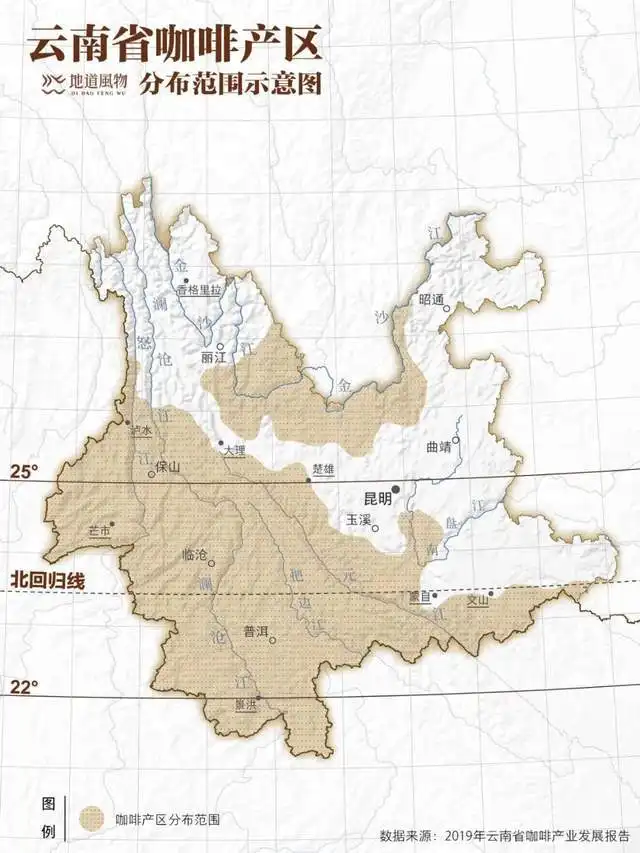
Currently, Yunnan coffee is primarily cultivated across eight prefectures, with Pu’er, Baoshan, Dehong, Lincang, Nujiang, and Xishuangbanna being the six core producing regions. These areas are mostly located in low-latitude, high-altitude zones with significant day-night temperature variations, fertile soil, and moderate rainfall distribution—ideal growing conditions for Arabica varieties. Additionally, five geographical indication products—“Baoshan Small-Grain Coffee,” “Zhukula Coffee,” “Dehong Small-Grain Coffee,” “Pu’er Small-Grain Coffee,” and “Simao Coffee”—have laid the groundwork for establishing regional brands. The daily supply of standard-grade beans typically uses the classic small-grain variety from Baoshan.
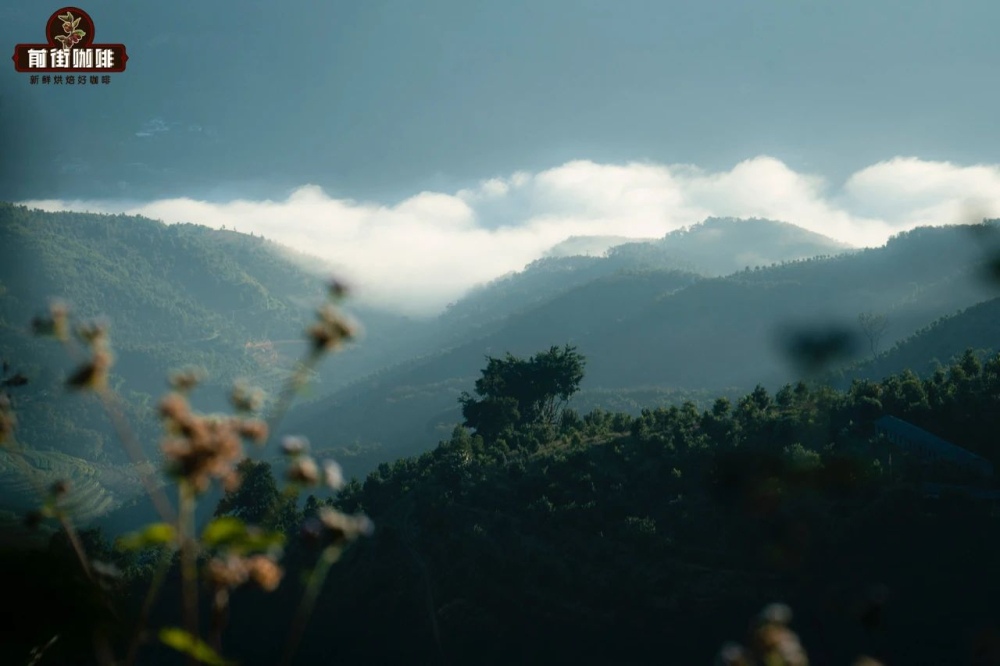
Thanks to its geographical advantages and trade history, the Baoshan region’s coffee cultivation can be traced back to the early days of international market development, with the small-grain coffee produced in Lijiang Dam being particularly well-known. This area features a low-latitude mountainous subtropical monsoon climate, and its complex terrain creates microclimates where “one mountain has four seasons, and ten miles bring different weather,” resulting in small annual temperature variations but large diurnal temperature ranges. With an average annual temperature of about 14–17°C and annual rainfall between 700–2100 millimeters, the moderate rainfall rhythm and ample sunlight help coffee cherries accumulate rich flavors, also contributing to the distinctive sweet aftertaste of Baoshan small-grain coffee.
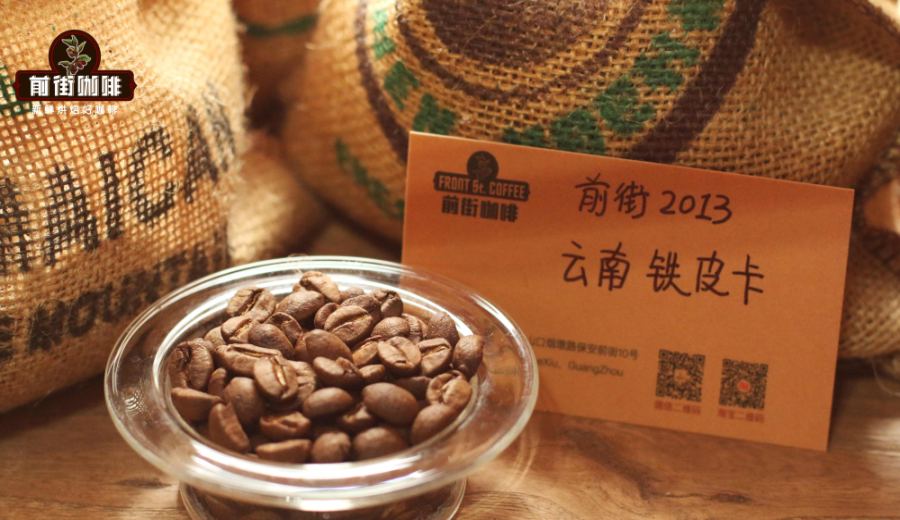
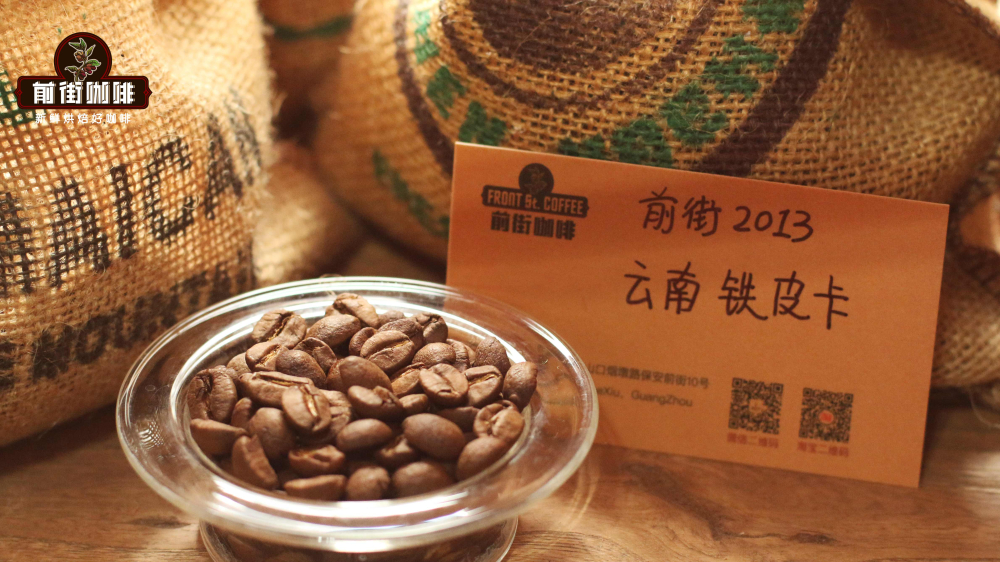
In addition to regional beans, we also offer a house-produced natural-processed Typica coffee named “2013.” This coffee comes from our own plantation established in Lincang in 2013, with every step—from site selection and seedling cultivation to planting, harvesting, processing, and roasting—controlled entirely by our team. We use the most traditional Arabica variety, Typica, and employ the natural sun-drying processing method. Its flavor profile is relatively mild and balanced, making it especially popular among consumers who prefer delicate taste experiences.
When discussing the flavor profile of Yunnan small-grain coffee, it is neither as high in acidity and bright as African beans, nor as heavy and full-bodied as Indonesian beans. Instead, it presents a neutral style with balanced tones, incorporating both acidity and sweetness along with bitterness. In multiple cuppings, washed-process Yunnan standard-grade beans often exhibit aromas of herbs, nuts, caramel, chocolate, and brown sugar, paired with moderate fruity sweetness and a light plum-like acidity. The overall mouthfeel is harmonious and layered. During extraction, a medium roast level is typically chosen to retain moderate roasty notes while not suppressing the expression of acidity.
Based on practical experience, the freshness of coffee beans greatly impacts extraction results. It is recommended to use only beans roasted within five days for brewing to ensure flavors are at their peak. If stored beyond a month, aroma and flavor compounds will noticeably diminish, making it difficult to restore the optimal taste. Therefore, we insist on shipping only beans roasted within five days to ensure customers enjoy the fullest sensory experience.
For specific brewing parameters, we recommend using medium water temperature and moderate grind size to match the neutral flavor characteristics of Yunnan beans. Excessively high water temperature or overly fine grind can lead to over-extraction, releasing excessive bitter and astringent substances; conversely, too low a temperature or too coarse a grind may result in under-extraction, leading to thin flavors. In practice, we use 90°C water, paired with a grind fineness that allows about 70% of particles to pass through a Chinese standard No. 20 sieve (approximately equivalent to a setting of 10.5 on the EK43s grinder).
For beginners, we recommend using the three-pour method, which helps achieve even extraction and enhances taste layers, avoiding flavor imbalance caused by over-soaking in a single stage. The specific parameters are as follows:
Filter: Hario V60
Coffee dose: 15 grams
Water temperature: 90°C
Grind size: 75% passing through a No. 20 sieve
Coffee-to-water ratio: 1:15
Three-pour steps:
1. First, pour water equal to twice the coffee dose (about 30 grams) for the bloom, waiting about 30 seconds to allow the coffee grounds to fully expand.
2. Then, pour water in small streams in a circular motion from the inside out until reaching 125 grams, then pause and wait for the coffee bed to descend to the middle of the filter.
3. Finally, pour water again with the same fine stream until reaching 225 grams, allowing the filter to fully drain, with a total extraction time of about 2 minutes.
In summary, Yunnan coffee offers diverse and promising flavor expressions. Although it is still predominantly the Catimor variety and regional management has room for improvement, its pace toward specialty status has gradually accelerated thanks to collective efforts. Whether as a daily brew or a starting point for exploring new regions, Yunnan coffee is definitely worth a try.
The above content is compiled by CoffeeHunters, a coffee news website.


