







Introduction:Want to understand why Panamanian Geisha has become a top-tier delicacy in the coffee world? This article will take you from the Ethiopian origins of Geisha, analyze the key factors behind its rise in Panama, delve into its unique bright citrus acidity and floral aroma profile, and unravel the reasons behind its “sky-high price.” It also offers flavor judgment tips and roasting recommendations to help you better understand Geisha and how to choose it.
Geisha (Geisha), this now well-known name in the specialty coffee scene, originally hails from the Kaffa region in southern Ethiopia. As an ancient coffee variety, Geisha quietly circulated for many years until it made a stunning debut at the 2004 competition held by Hacienda La Esmeralda in Panama, kicking off its global journey to fame. With its distinctive fresh floral notes and bright citrus acidity, these slender-shaped coffee beans completely redefined people’s perception of coffee.
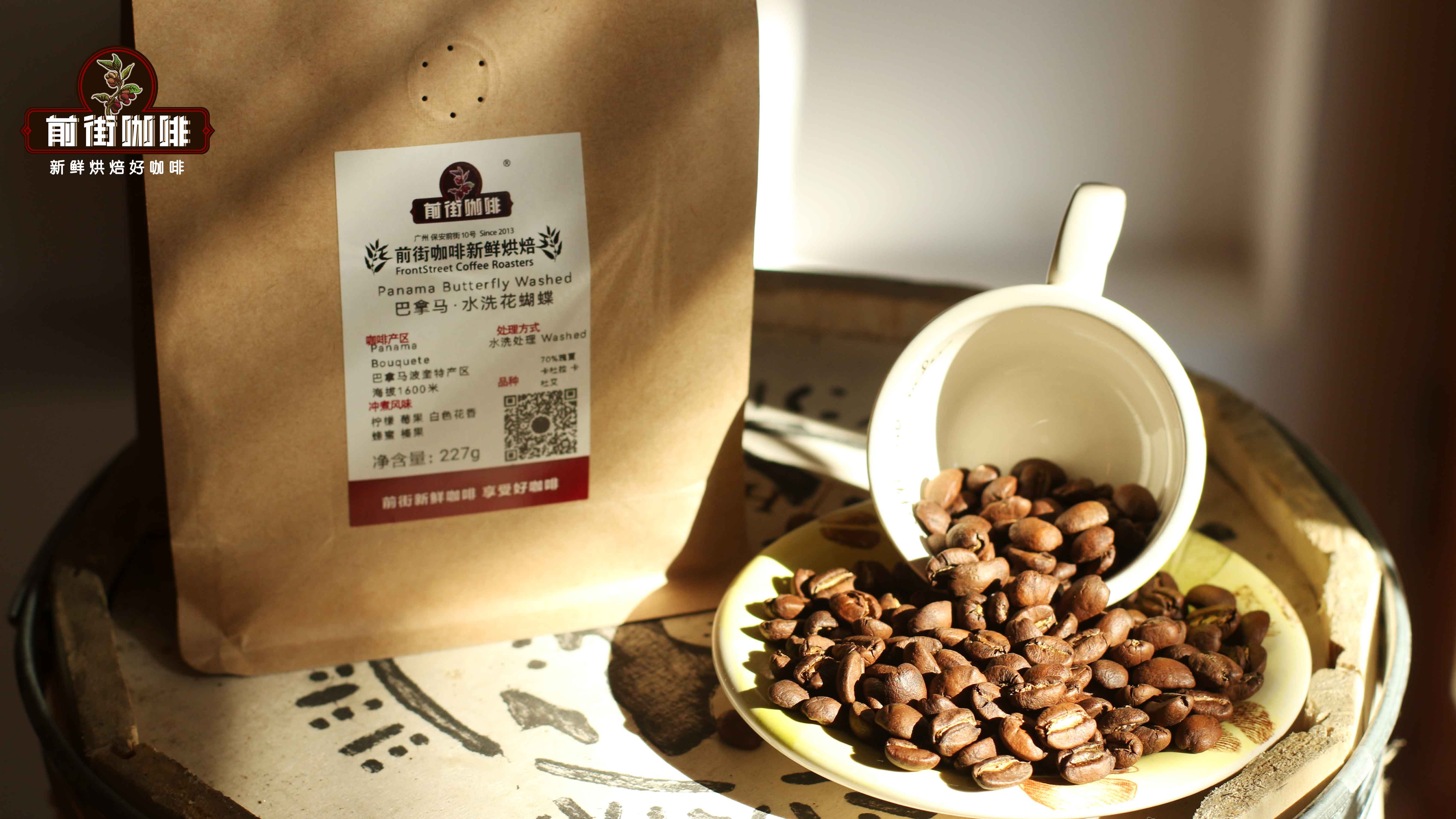
Geisha coffee beans are typically more elongated in shape, with yellowish-green raw beans that, after roasting, release intense tropical fruit aromas accompanied by delicate white floral notes and a hint of caramel sweetness. This richly layered sensory experience quickly helped it stand out in the international market. Moreover, Geisha’s bright citrus acidity is not overly sharp, with a prominent sweetness and a long-lasting aftertaste—qualities that have earned it the reputation of being the “Hermès of coffee.”
Speaking of Geisha’s rise to fame, one must mention Panama’s exceptional terroir. The high-altitude growing environment, combined with significant day-night temperature variations, extends Geisha’s growth cycle, aiding the accumulation of flavor compounds. Especially in the Boquete region, many farms choose to plant Geisha at elevations above 1,500 meters, resulting in its unique honey-like sweetness and clear fruity-floral notes. Among them, Hacienda La Esmeralda, through meticulous management and shaded cultivation, has maximized Geisha’s potential, thereby winning the “Best of Panama” competition multiple times.
As Geisha has repeatedly won international awards, its rarity and high quality have also driven up market prices. In particular, auction lots of Geisha green beans often reach prices of several thousand US dollars per pound, making it a bona fide “sky-high coffee” in the coffee market. However, such high prices are not unfounded but stem from strict regional restrictions, limited production, auction mechanisms, and consumers’ pursuit of ultimate flavor. For many coffee enthusiasts, tasting an authentic Panamanian Geisha is not just a gustatory delight but also a symbol of collection and experience.
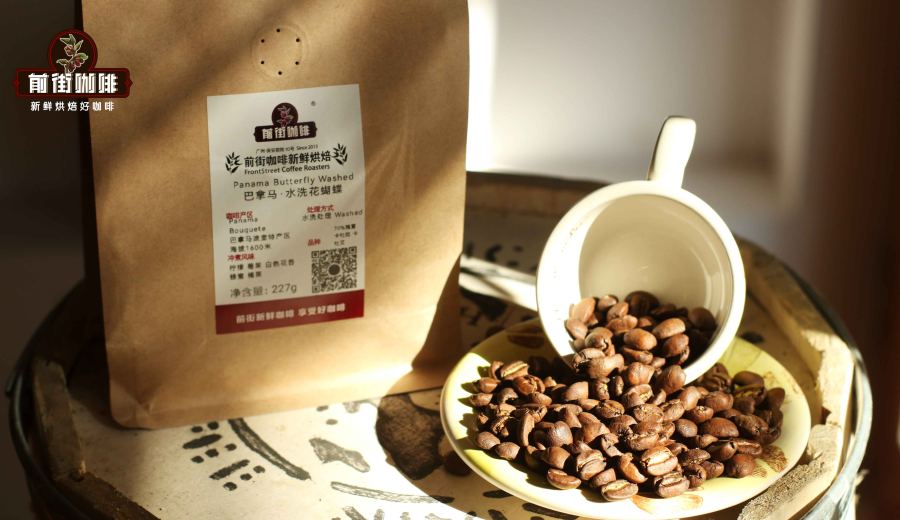
To allow more people to experience the charm of Geisha at reasonable prices, many coffee brands have launched blends based on Geisha. For example, the Flower Butterfly blend, which mixes 70% Geisha with 30% varieties like Caturra and Catuai, can present the distinctive bright citrus and honey-like qualities of Geisha at a relatively accessible price point, making it an excellent choice for those new to Geisha flavors.
So, what exactly is the so-called “Geisha flavor”? Unlike the intense, bitter richness of dark-roasted coffee, Geisha showcases a bright, refreshing flavor profile with floral and fruity notes. When you brew a high-quality Geisha, the first aromas you may notice could be jasmine, coffee blossoms, citrus peel, and even a hint of honey-like sweetness. Upon tasting, bright lemon acidity, peach-like sweetness, and a green-tea-like aftertaste unfold in succession—this atypical coffee experience is precisely what makes it so astonishing.
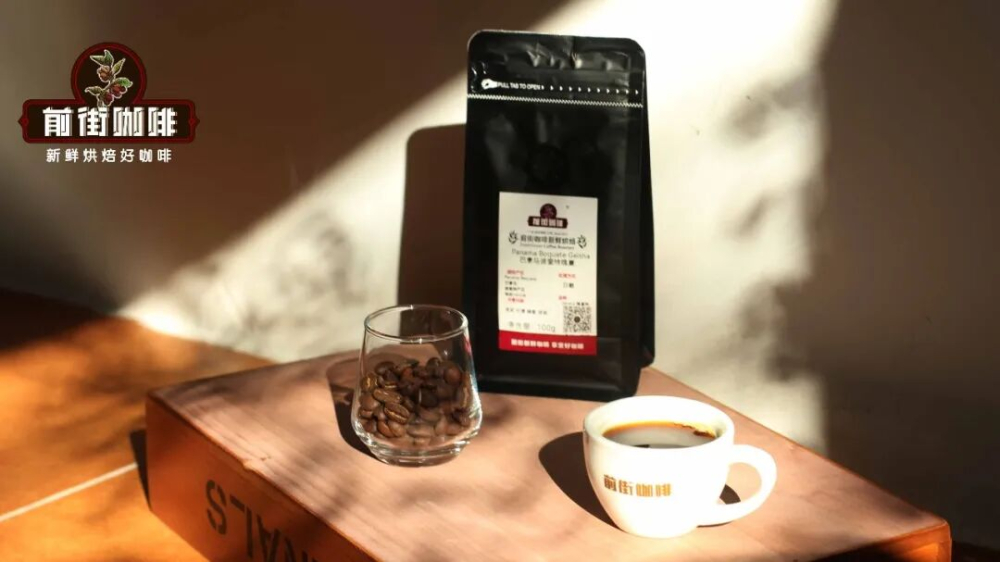
The reason Geisha can deliver such a unique flavor profile lies not only in its varietal genetics but also in factors such as cultivation altitude, microclimate, processing methods, and roast level. Research shows that Geisha contains high concentrations of volatile aromatic compounds such as linalool, limonene, and terpinolene. These components can be fully preserved under light to medium roasting, thereby releasing elegant floral and fruity aromas. Therefore, most specialty coffee professionals recommend roasting Geisha between light and medium levels to fully showcase its delicate fruit acidity and floral notes.
In summary, Geisha is more than just coffee—it is a symbol of flavor and culture. Whether you’re a beginner or a seasoned coffee enthusiast, understanding Geisha’s history, flavor characteristics, and roasting essentials can help you better appreciate this high-mountain essence from the clouds. If you also want to explore the wonders of Geisha, consider starting with a medium-altitude, lightly roasted Geisha to gradually experience that unique bright citrus honey-like sweetness and tea-like aftertaste.
The above content is compiled by CoffeeHunters, a coffee news website.


