







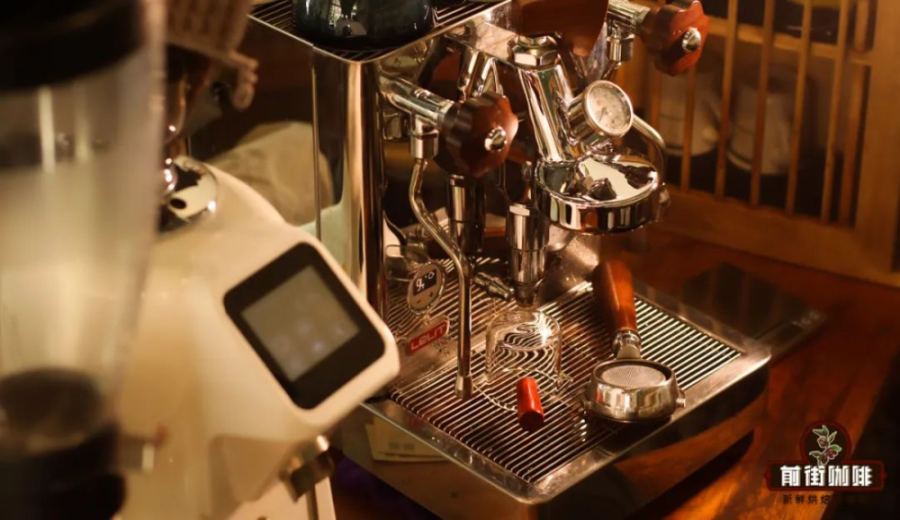
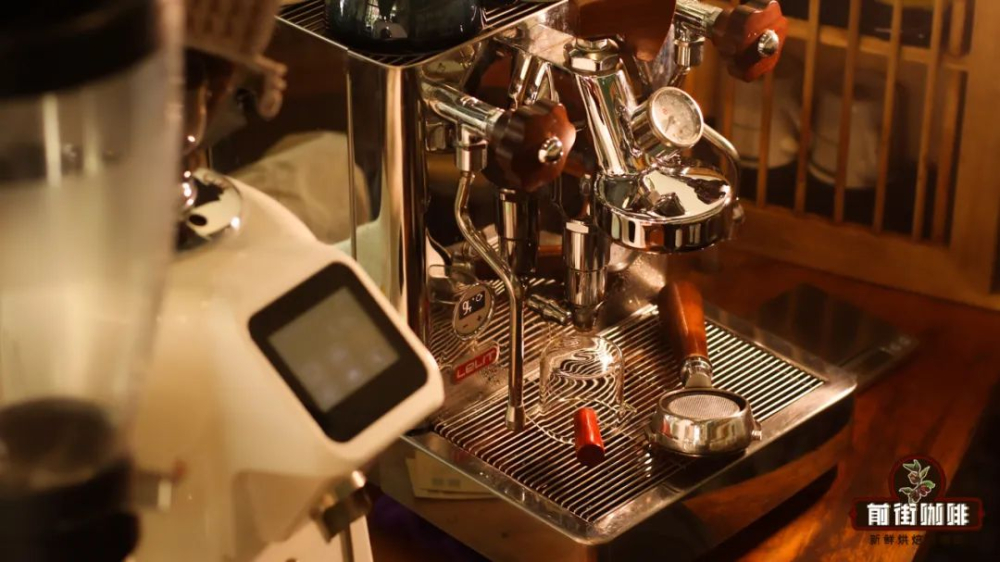
Introduction:Owning a home espresso machine doesn’t guarantee consistently great coffee extractions. Improper cleaning not only affects extraction quality but may also shorten the machine’s lifespan. This article details daily maintenance tips for the steam wand, shower screen, and portafilter, as well as advanced cleaning steps like backflushing and gasket replacement, helping users maintain optimal performance, avoid common issues, and enjoy a stable brewing experience.
With the rise of specialty coffee, more households are purchasing espresso machines to easily make classics like espresso and cappuccino at home. However, compared to professional shops, most home users have limited knowledge about the routine care and cleaning of their machines. Neglecting cleaning over time can lead to common problems such as significantly weakened steam power, unstable extraction pressure, portafilter leaks, or even unpleasant odors—not only affecting coffee flavor but also potentially damaging components.
This article will guide readers through comprehensive maintenance knowledge for home espresso machines, covering everything from daily upkeep of the steam wand, shower screen, and portafilter to advanced care like backflushing, gasket replacement, and water tank filter maintenance. Detailed instructions and precautions are provided to keep your machine running smoothly, extend its life, and ensure consistent performance.
Let’s start with the most frequently used part—the steam wand. After frothing milk, milk residue often remains in the nozzle of the steam wand. If not cleaned promptly, residual heat can bake the milk solids into hard milk scale. This scale can clog the steam holes and foster bacterial growth, leading to odors that ultimately degrade the quality of future milk foam.
The correct daily cleaning method is actually quite simple: after frothing, immediately wipe the tip of the steam wand with a clean, slightly damp cloth to ensure no milk residue is left in the nozzle, then activate the steam function and perform an empty purge for about 3 to 5 seconds to blow out any remaining milk inside the tube. This basic cleaning helps prevent milk scale buildup.
The shower screen is located inside the machine’s group head and comes into direct contact with the coffee puck. After each extraction, due to pressure release, fine coffee particles tend to stick to the surface of the shower screen. If not removed promptly, these coffee grounds can dry out in the high-temperature environment, not only disrupting the flow rate and evenness of the next extraction but also potentially altering the flavor profile of the coffee.
Daily maintenance is recommended in two steps: after each use, open the water valve to let hot water run through and rinse off coffee powder on the shower screen’s surface; additionally, at the end of each day, thoroughly clean the area around the shower screen using a soft brush and water to ensure no coffee residue builds up.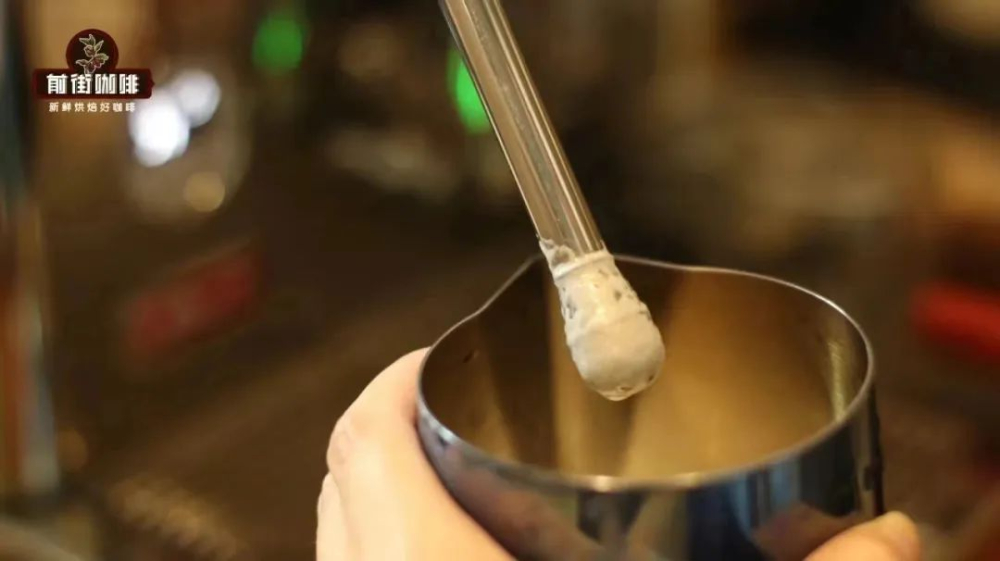
Additionally, cleaning the portafilter is also crucial. For a two-spouted portafilter, it’s recommended to remove the coffee basket after each use and rinse the internal channel with water to prevent long-term accumulation of coffee grounds and residue that could affect taste. If you’re using a bottomless portafilter, while the portafilter itself doesn’t require frequent cleaning, you should still pay attention to keeping the exterior of the machine clean to avoid coffee splashes causing stains.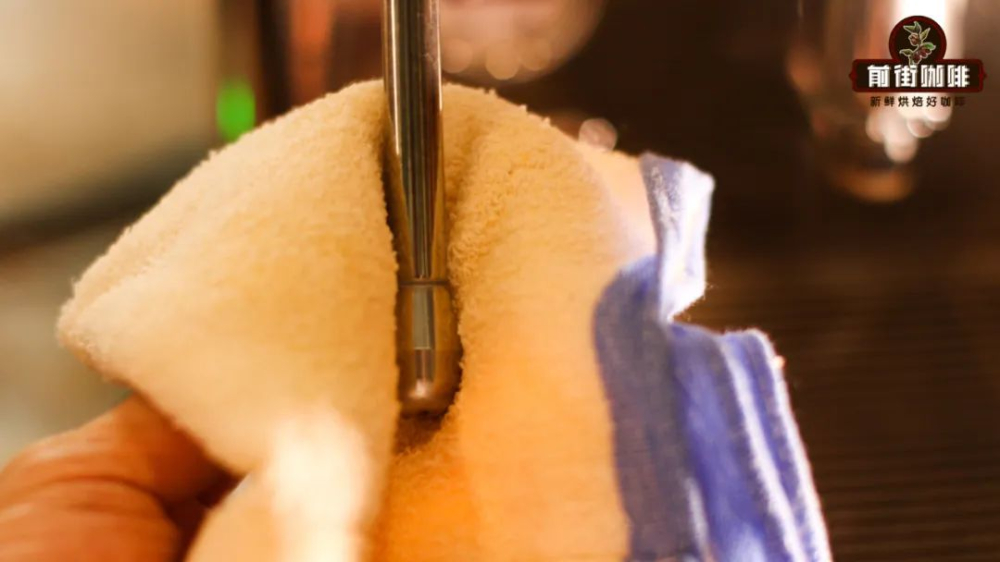
When it comes to deep cleaning, it’s advisable to adjust the frequency based on usage. High-frequency users (more than ten cups per day) should perform a complete maintenance routine every 1 to 3 days; for lower usage, the interval can be extended as appropriate, but key components should still be checked regularly.
For deep cleaning of the steam wand, even if daily wiping is done, it’s recommended to perform a thorough cleaning once a week or every two weeks: disassemble the nozzle, soak it in a mixture of warm water and specialized coffee machine cleaning powder (you can also soak the steam wand tube), let it sit for about 8 to 12 hours, then rinse it clean and reassemble. This method effectively removes stubborn milk scale hidden in crevices.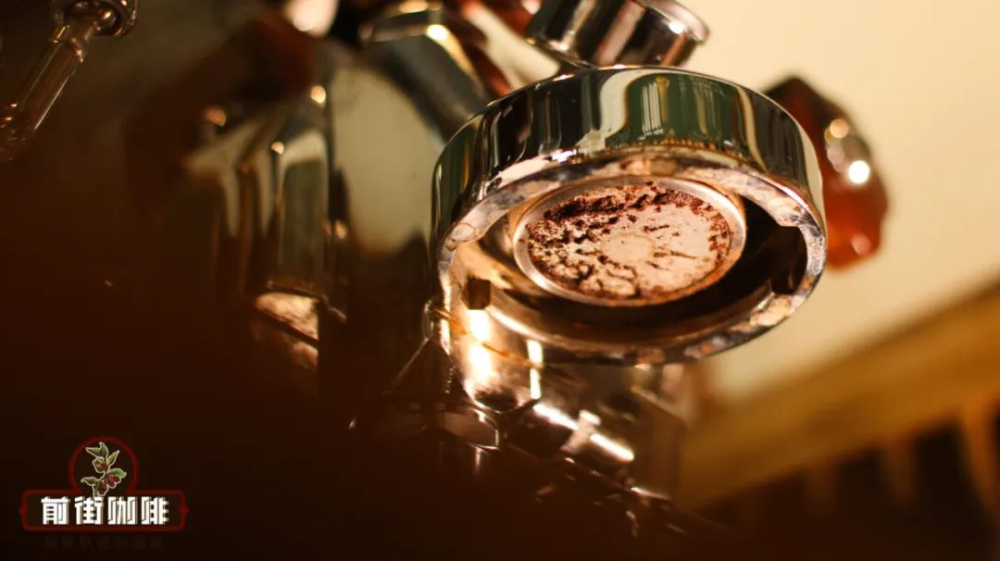
The internal water system of the coffee machine also needs regular attention. During the extraction process, some water flows back into the internal piping, and over time, accumulated coffee residues can impede water flow, affecting extraction pressure and flavor consistency. It’s recommended to perform a backflush once a month: replace the perforated coffee basket with a blind filter, add an appropriate amount of cleaning powder, secure it, and start the extraction cycle to allow hot water to circulate through the shower screen and piping. Repeat this about three times, with a few seconds between each cycle, to effectively clear deposits from the inner walls of the pipes without disassembling the machine.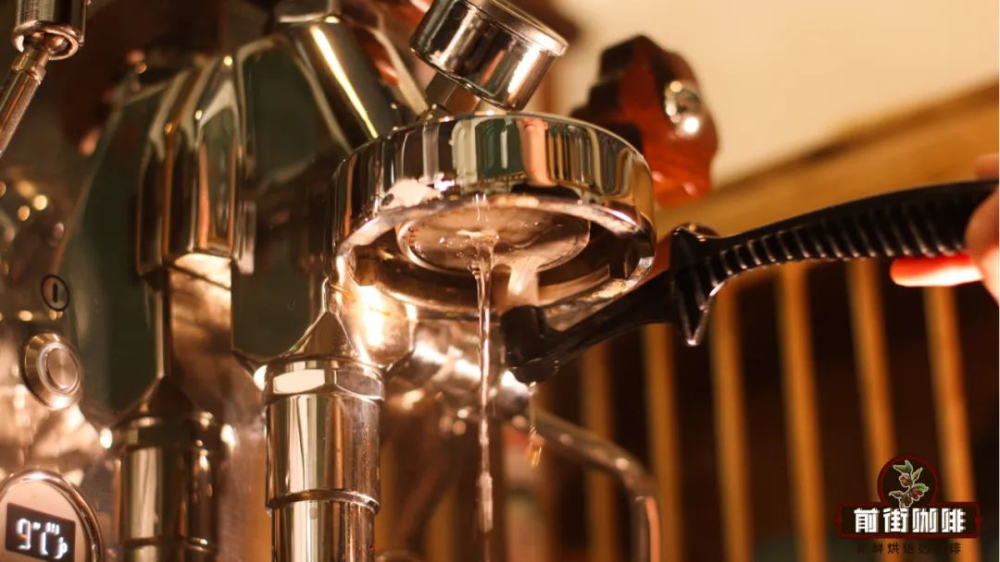
Also, pay special attention to the gaskets used in various parts of the machine. If you notice dripping or significant leakage during extraction, it’s usually due to gasket aging leading to seal failure. It’s recommended to check the condition of the gaskets every six months to a year. If you find them hardened, deformed, or cracked, replace them as soon as possible. Since gasket specifications and installation methods vary greatly by machine model, consult the user manual or contact the supplier before replacing to ensure proper operation.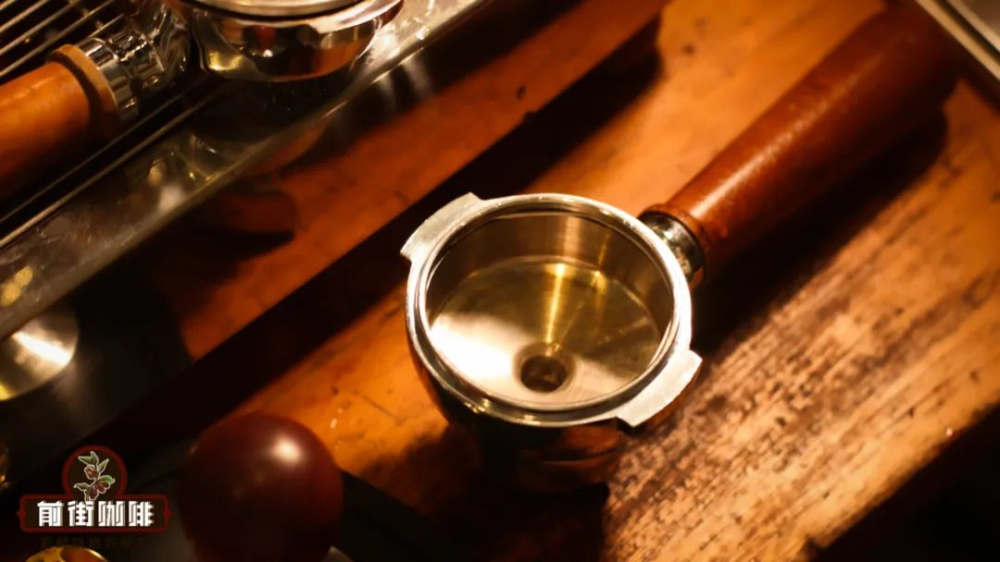
Finally, don’t overlook the coffee machine’s water tank and water filter. Over time, the interior of the water tank and the filter can accumulate limescale, especially in areas with hard water. Limescale may obstruct water flow, affecting extraction efficiency and coffee taste. It’s recommended to replace the filter every month and clean the water tank regularly based on usage. If the tank structure is complex or you’re not familiar with disassembly, it’s best to have a professional technician handle it to avoid damaging delicate components.
The above content is compiled by CoffeeHunters, a coffee news website.


