







Introduction:Cold brew coffee has gained global popularity in recent years for its refreshing, low-acid, and easy-to-drink characteristics. However, many people attempting cold brew at home often encounter issues such as impure flavors or an oily film on the surface, which can negatively affect the overall experience. This article delves into the main factors influencing the taste of cold brew coffee, including coffee bean selection, grind size, coffee-to-water ratio, and steeping time. It also explores the true cause of the oily layer on the surface and its impact on flavor, while providing practical filtration and cleaning tips to help you improve the quality of your homemade cold brew.
Many experienced coffee enthusiasts understand that the flavor of cold brew is influenced by multiple factors. The coffee bean variety and roast level, grind size, coffee-to-water ratio, and steeping duration are all key elements that determine the final taste. Additionally, seemingly minor steps—such as whether the mixture is stirred sufficiently, whether the container is clean, or even the quality of the water used—can subtly alter the overall performance of the cold brew.

However, many who brew cold brew at home have encountered a common question: Even when following recommended parameters, why does an oily layer still float on the surface of the final product? Some worry it’s a sign of spoiled coffee, while others suspect inadequate cleaning of the equipment. In reality, this oily layer isn’t caused by spoilage or dirt—it has a more scientific explanation.
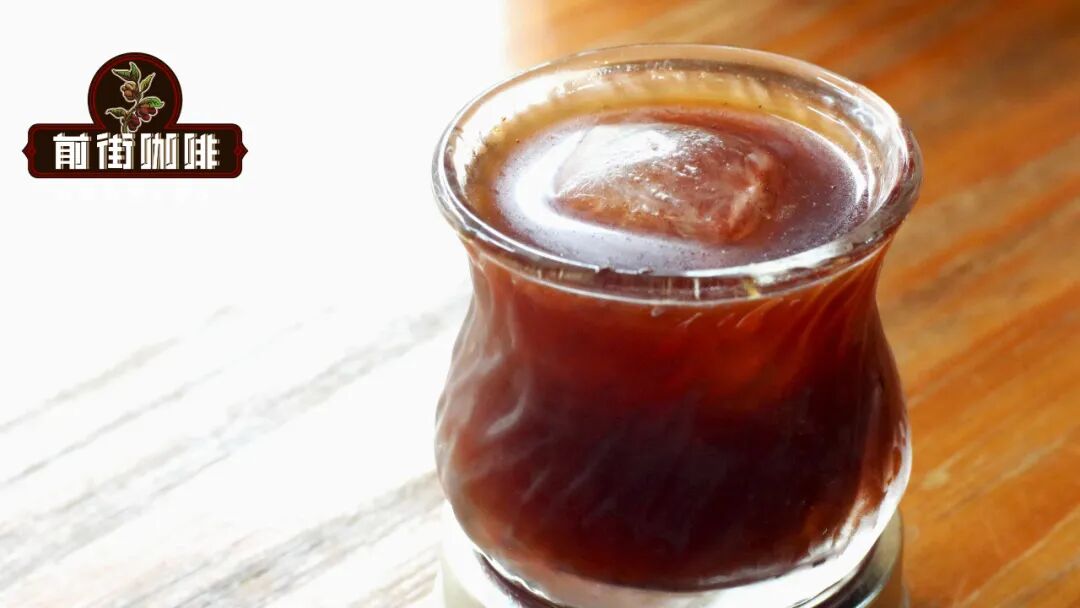
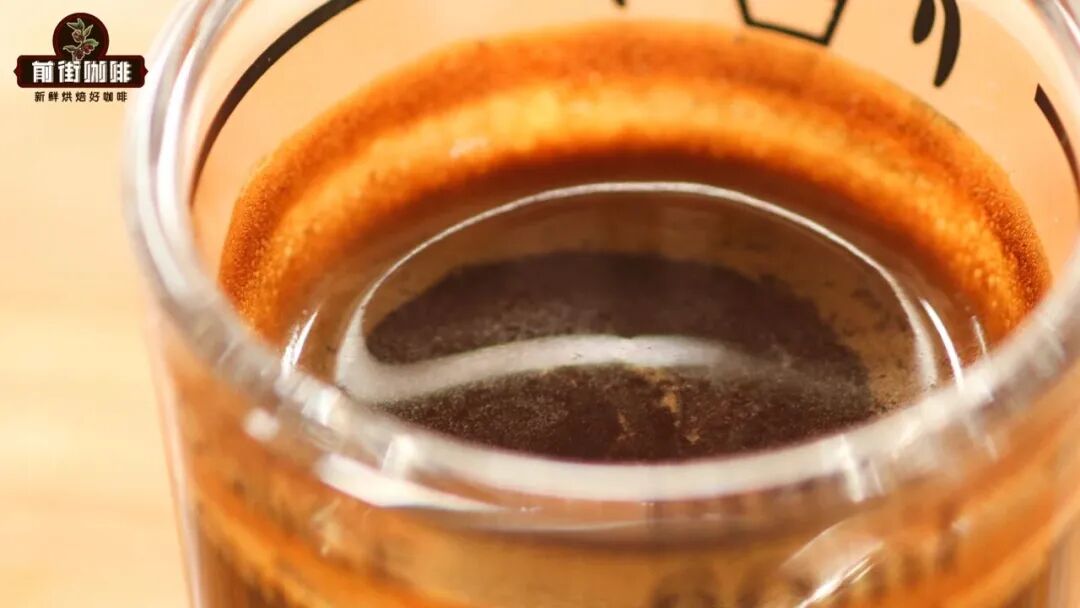
To solve this mystery, we first need to understand: What exactly is this “oil” on the surface of cold brew coffee? Many are familiar with the fine crema on espresso, which is formed by the combination of water-soluble fats and carbon dioxide, serving as an important source of coffee aroma and an indicator of bean freshness. When the crema dissipates, what settles on the liquid surface is the actual coffee oil.
Not only in espresso extraction, but in other ambient pressure brewing methods—such as using a French press to brew medium to dark roasted coffee—the relatively large gaps in the metal filter allow some oils and very fine coffee particles to pass through, giving the coffee a glossy appearance and potentially a murkier mouthfeel.

As for cold brew, although the entire process takes place in a low-temperature environment, water-soluble fats in the coffee still seep out slowly, just at a slower rate compared to hot brewing. The fine oily sheen floating on the surface is actually the result of coffee oils condensing at low temperatures.
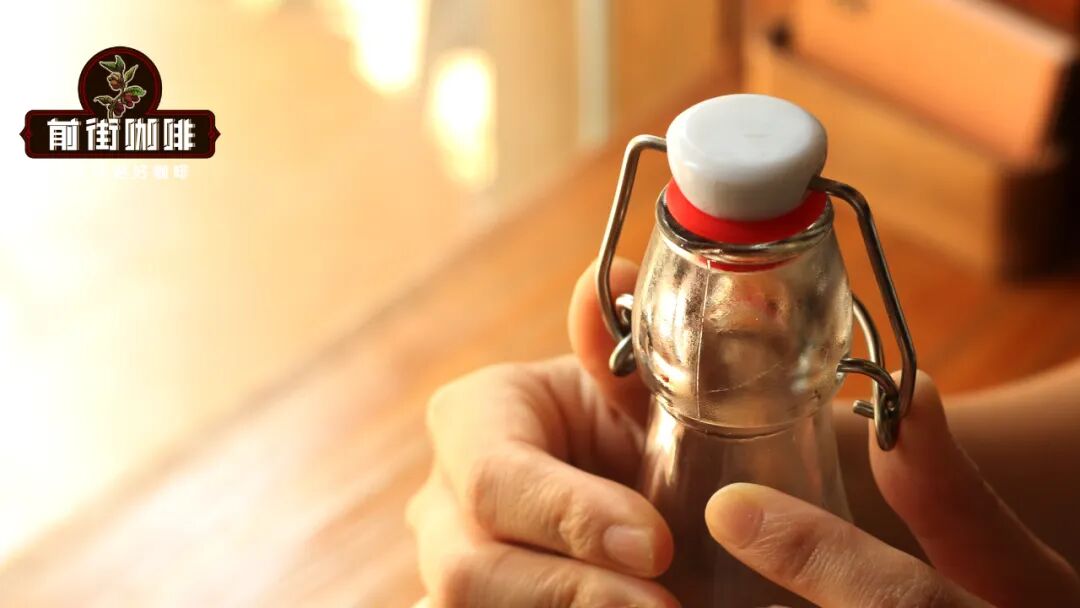
When it comes to equipment selection, cold brew offers great flexibility—almost any clean, odor-free, and airtight container can be used, such as a dedicated cold brew maker, a clean sealed jar, or even a washed beverage bottle. The key is to prevent air exchange to avoid oxidation affecting the flavor.
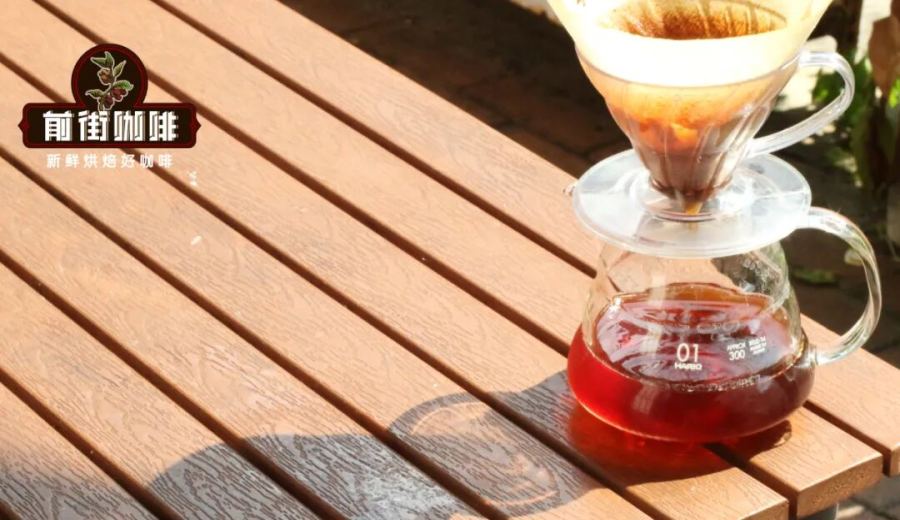
For filtration tools, there are also many options on the market, including built-in filters in cold brew makers, metal filter cones, pour over paper filters, flannel filters, and drip bags. The size of the filter pores varies greatly depending on the material, and their effectiveness in filtering very fine particles and oils also differs. To reduce surface oil and achieve a smoother mouthfeel, it’s recommended to choose tools with stronger filtration capabilities.
Some coffee lovers, for convenience, pour out only the upper layer of liquid after cold brewing, often ending up with a cup full of floating oil and very fine particles. The result is a dull, gritty texture, possibly accompanied by unidentifiable particles floating around—greatly diminishing the overall experience.

Take the common cold brew makers used in professional shops as an example. Their built-in filters are typically 300 mesh, with very fine sieve holes. One shop once used such a maker to brew a lightly roasted “Little Tomato” bean with prominent fruity notes, using a relatively fine grind (about 80% of a Chinese No. 20 sieve, roughly equivalent to 9.5 on an EK43s grinder or 22 on a C40). After a 10-hour steep, even after removing the filter core, the poured coffee still showed visible very fine particles. Without further filtration, not only was there a noticeable oily sheen on the surface, but the mouthfeel was also quite rough, and coffee grounds could sometimes be seen settling at the bottom.
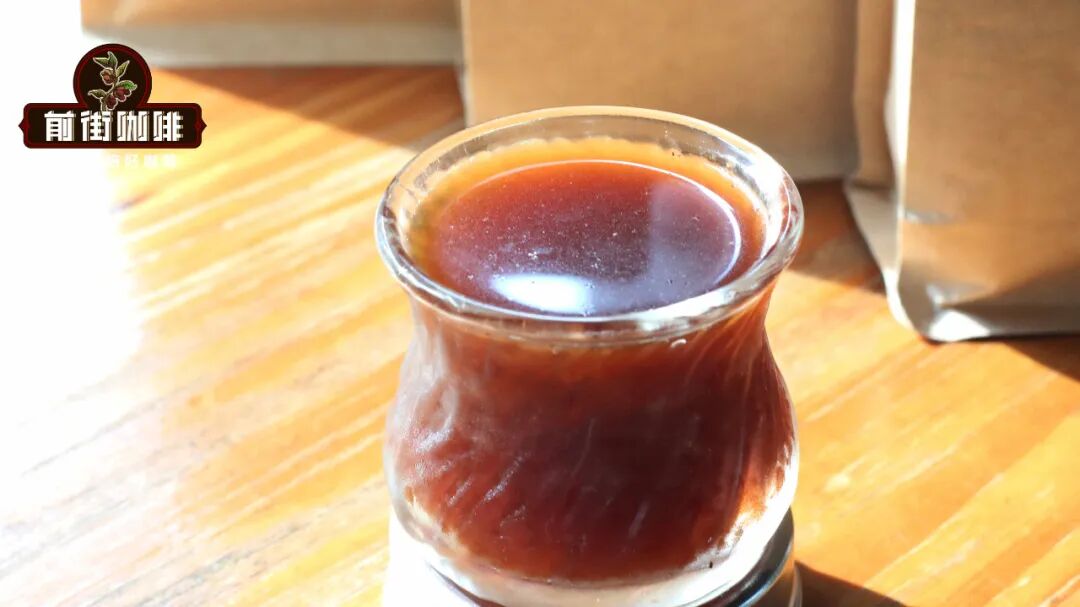
To enhance the smoothness and overall flavor profile of your cold brew, it’s recommended to use paper filters for a second filtration to effectively remove most condensed oils and micro particles. Furthermore, letting the filtered coffee sit sealed in the refrigerator for 3–4 hours helps additional flavor compounds settle, allowing the cold brew to exhibit a richer juiciness and cleaner acidity.
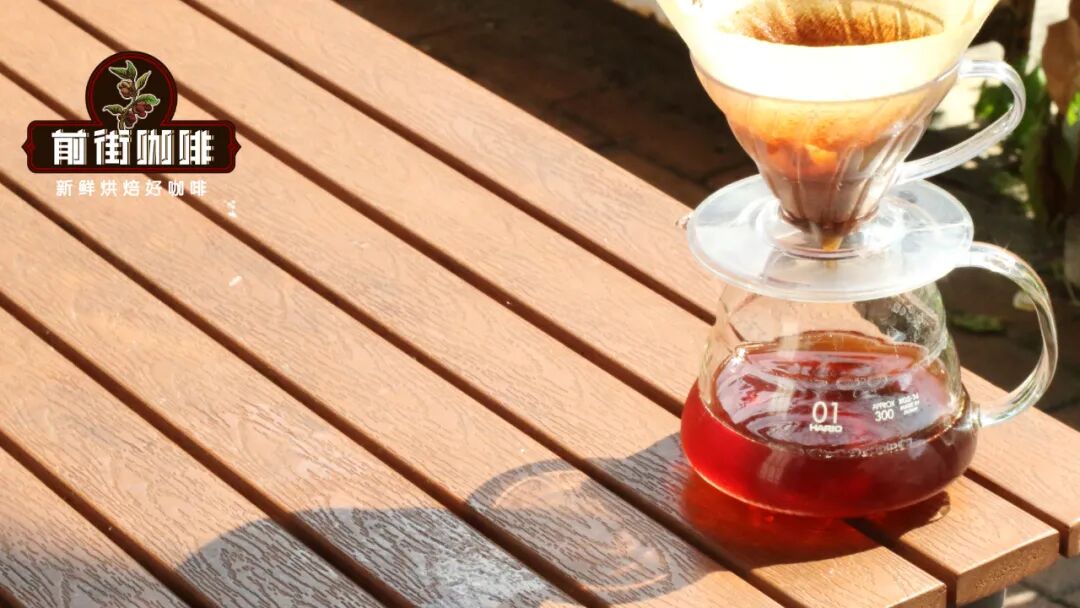
Finally, don’t overlook the cleaning of your equipment. Many people rinse their cold brew makers with just water after use, and over time, residual coffee oils can cling to the filter, producing rancid off-flavors. If you make cold brew frequently, it’s advisable to regularly disassemble the equipment and thoroughly clean it with detergent. This not only removes built-up oils but also extends the life of the filter, ensuring each batch of cold brew is fresh and free of unwanted odors.
The above content is compiled by CoffeeHunters, a coffee news website.


