







Introduction:Have you ever fallen in love with coffee because of a beautifully latte-arted cup? From the simple heart designs of early days to the intricate and creative patterns we see today, how has coffee latte art evolved over time? This article will take you on a deep dive into the origins of latte art techniques, explore the crucial role of coffee crema, and recommend two espresso blends perfect for creating stunning latte art, helping you easily master the fundamentals of pouring beautiful designs.
In the world of coffee, what often captures people’s hearts isn’t just the flavor, but also the exquisite latte art atop the cup. But do you know how the very first coffee latte art came to be? And who pioneered this art form that combines both visual appeal and taste? From the advent of the Italian espresso machine in the early 20th century to the flash of inspiration by American baristas in the 1980s, latte art gradually evolved from basic shapes into the diverse and refined visual feast we enjoy today. We’ll also introduce how choosing the right coffee beans—especially those rich in crema—can enhance both the success rate and aesthetic of your latte art.
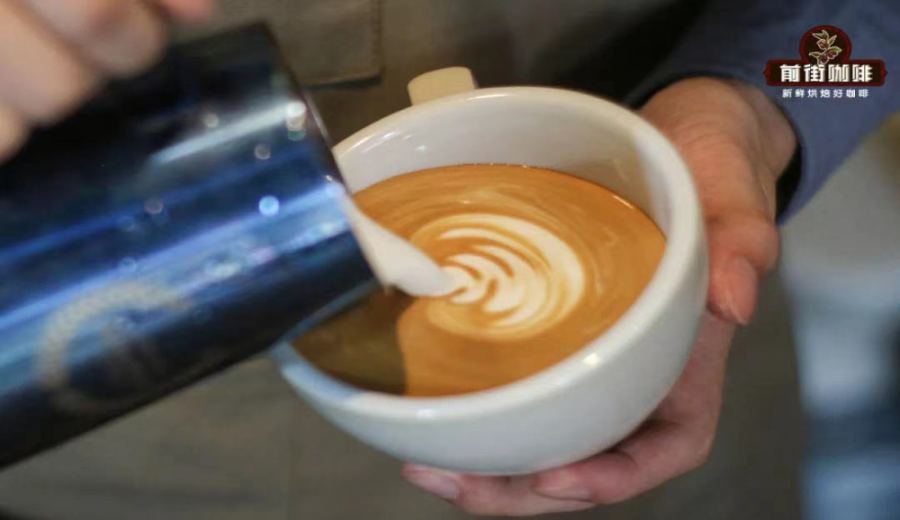
Latte art, formally known as “coffee art” or more specifically “latte art,” involves pouring steamed milk into espresso while using the fluidity of the milk foam and control of the pitcher to create designs on the crema of the shot. The term “latte” is actually a transliteration of the Italian “Caffè Latte,” which literally means “coffee with milk.” Slowly pouring steamed milk into an espresso while using the pitcher to draw shapes such as hearts or leaves is the most classic form of latte art.
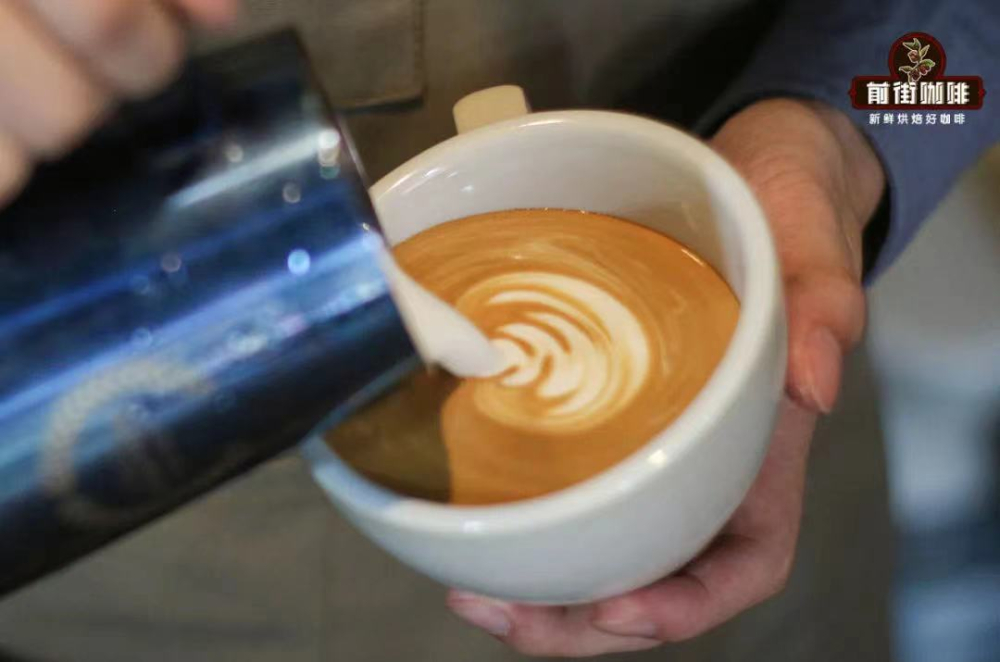
Early latte art patterns were relatively simple, mostly consisting of hearts and leaves, with basic techniques. As specialty coffee culture grew, baristas around the world not only pursued more intricate designs but also developed advanced techniques like “etching,” using milk foam and various tools to create more three-dimensional decorative patterns. Initially, the industry focused mainly on the visual impact of the designs. However, as consumer tastes evolved, latte art became about more than just aesthetics—it also emphasized the smooth texture of the milk and its integration with the espresso, thereby enhancing the overall flavor profile of the drink and achieving a perfect harmony of sight, smell, and taste.
Why has latte art become so popular on social media? The answer lies not only in how it makes coffee more visually appealing, but also in how this visual delight enhances the overall drinking experience. Whether it's a latte or a flat white, a milk coffee adorned with exquisite latte art is more likely to stand out in a social media feed and become the center of attention.
To successfully pour latte art on the surface of coffee, equipment is just as crucial as technique. A stable-pressure espresso machine and a well-functioning steam wand are essential for producing high-quality crema and milk foam. The origin of the espresso machine can be traced back to 1901, when Italian engineer Luigi Bezzera from Milan invented the first semi-automatic steam-pressure coffee machine to improve coffee extraction efficiency, and applied for a patent the following year. Subsequently, the Italian company La Pavoni acquired the patent and launched a commercial espresso machine equipped with a steam wand in 1906, making it much easier to steam and control milk.
However, what truly brought latte art into the public eye was American Seattle-based barista David Schomer. It’s said that during one of his brewing sessions in the 1980s, he accidentally formed a heart shape on the coffee surface with the last pour of white milk foam, which inspired him to deeply study espresso and latte art techniques. He later founded Espresso Vivace, dedicated to promoting and teaching this craft, which gradually popularized decorated coffee in North America and eventually spread worldwide.
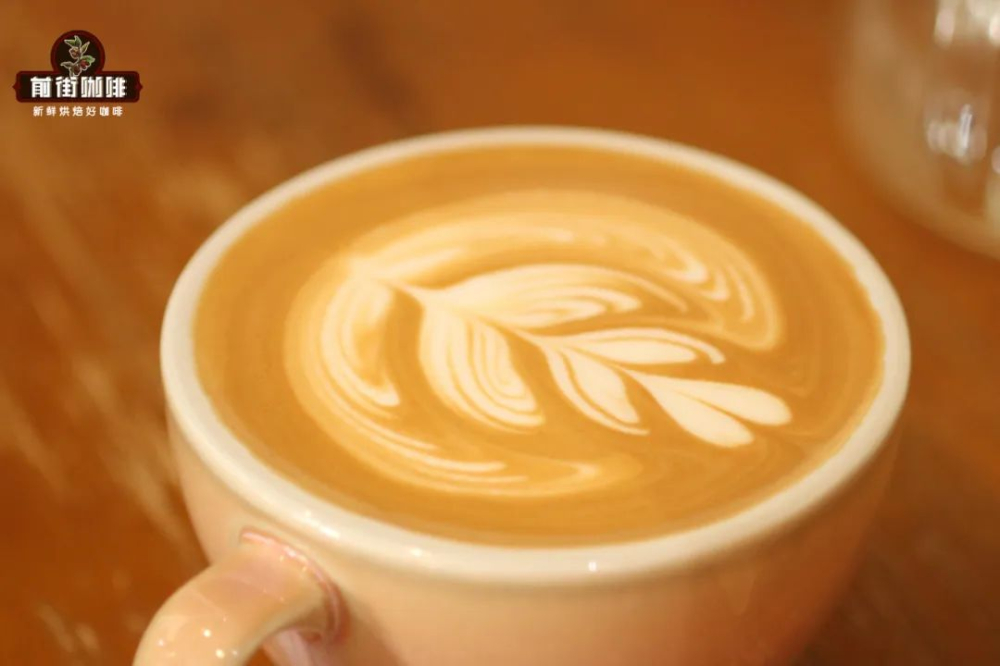
Aside from equipment, another indispensable element for creating clear and beautiful patterns is coffee crema, also known as coffee oils. Crema not only affects the stability of the latte art but is also directly related to the level of detail and definition in the designs. If there’s insufficient crema, even the best technique can result in patterns that easily break apart or appear unclear. Therefore, selecting an espresso blend that produces rich crema becomes particularly important.
For coffee enthusiasts looking to try latte art at home, it’s recommended to choose blends with thick crema and pronounced aromas. For example, a blend combining Brazilian and Colombian Arabica beans with around 10% Robusta can offer a strong caramel sweetness and stable crema performance. Such blends typically feature notes of nuts, cocoa, and dark chocolate, with a rich yet balanced mouthfeel. Although the Robusta content is low, it’s enough to boost the richness and color of the crema without overly affecting the overall flavor.
If you prefer a bolder, darker-roasted flavor, you might consider a dark roast blend made up of Brazilian, Indonesian, and Vietnamese beans. These beans, after being deeply roasted, release intense, rich aromas and produce dense, fine crema. They’re suitable for making both Americanos and milk-based drinks like lattes. In addition, the amount of crema is also an important indicator of coffee bean freshness. Freshly roasted beans usually yield richer, brighter-colored crema, which helps ensure stability and fine detail when pouring latte art.
In summary, coffee latte art is not just a display of skill, but also a reflection of coffee quality and flavor. Choosing the right espresso blend, mastering proper extraction and milk texturing techniques, will allow you to create stunning latte art with every pour. Remember, freshly roasted coffee beans, stable steam pressure, and delicate milk foam are all key elements in crafting a beautiful latte art coffee.
The above content is compiled by CoffeeHunters, a coffee news website.


