








Introduction:To brew a well-balanced pour over coffee at home, the key lies in mastering the fundamentals of extraction and the correct steps. This article will systematically analyze the seven core elements of pour over brewing, including selecting fresh beans, choosing grind size, controlling water temperature, meeting water quality requirements, selecting the right filter cone, determining the coffee-to-water ratio, and managing brew time. It also delves into the principles and techniques of the three-pour method and the bloom phase to help you easily brew a coffee with distinct layers and clear flavors.
Pour over coffee, known in English as pour over, is a brewing method where ground coffee is placed in a filter cone with filter paper under normal atmospheric pressure, and desirable flavor compounds are extracted through a stable and controlled pouring technique. Although this method doesn’t require high-pressure equipment, it is extremely particular about details—from bean selection to water temperature, pouring technique, and timing—each step influences the final taste and flavor profile of the coffee.

Many people misunderstand the English name for pour over coffee. Common mistakes include “Hand coffee” or “Hand punch,” but the correct term is pour over coffee, which is what we commonly refer to as “手沖咖啡.” Next, we’ll explore these seven key elements to help you brew a satisfying cup of pour over coffee at home.
1. The freshness of coffee beans is key
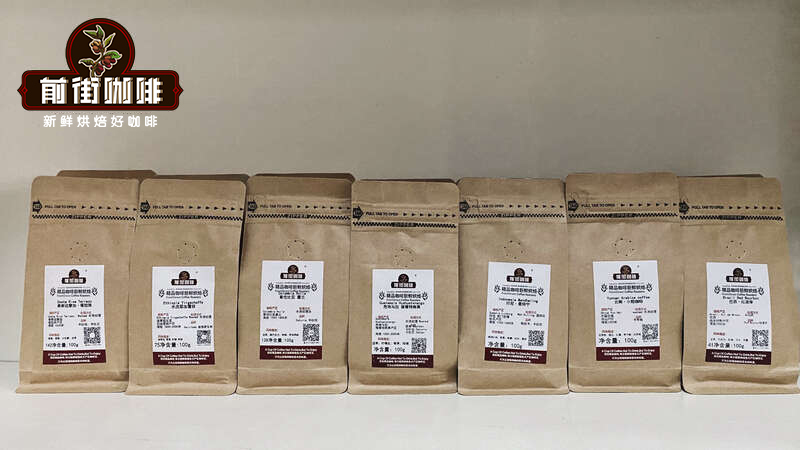
The optimal flavor window for coffee beans is typically within 30 days of roasting. During this period, the aromatic compounds in the beans remain active, capable of releasing rich scents. Once this period is exceeded, the aroma diminishes as carbon dioxide is released, resulting in a dull or even uninteresting coffee flavor. Therefore, choosing freshly roasted beans is the foremost condition for making a delicious pour over coffee.
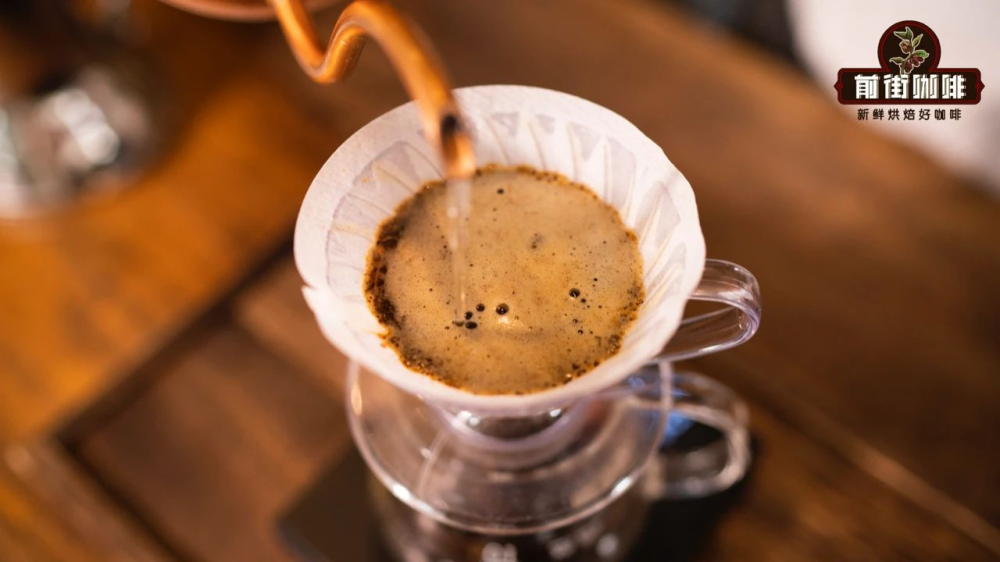
2. How to choose the grind size for pour over?
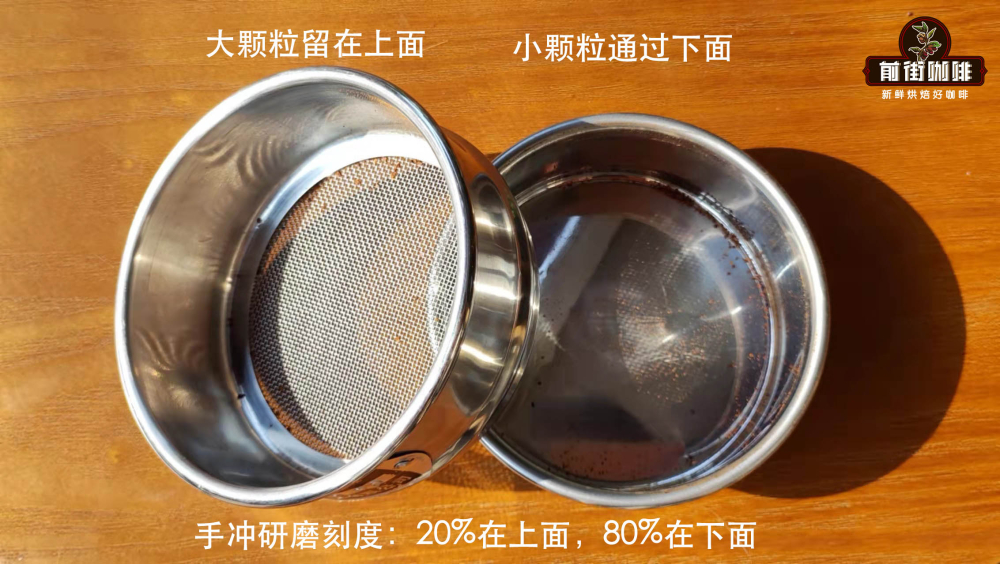
To achieve ideal extraction, it is recommended to use a #20 coffee sieve (with a 0.85mm aperture) to test the coffee grounds' passing rate. Grind approximately 10 grams of coffee beans to your target grind size, then sieve them and weigh the portion that did not pass through. For medium to light roasts, an ideal passing rate is around 80% (i.e., 10 grams should sieve out about 8 grams); for medium to dark roasts, a passing rate of 70%–75% (about 7 to 7.5 grams) is more suitable. If the passing rate is too high, it indicates the grind is too fine and should be adjusted coarser; if too low, adjust finer.
3. The impact of water temperature on extraction
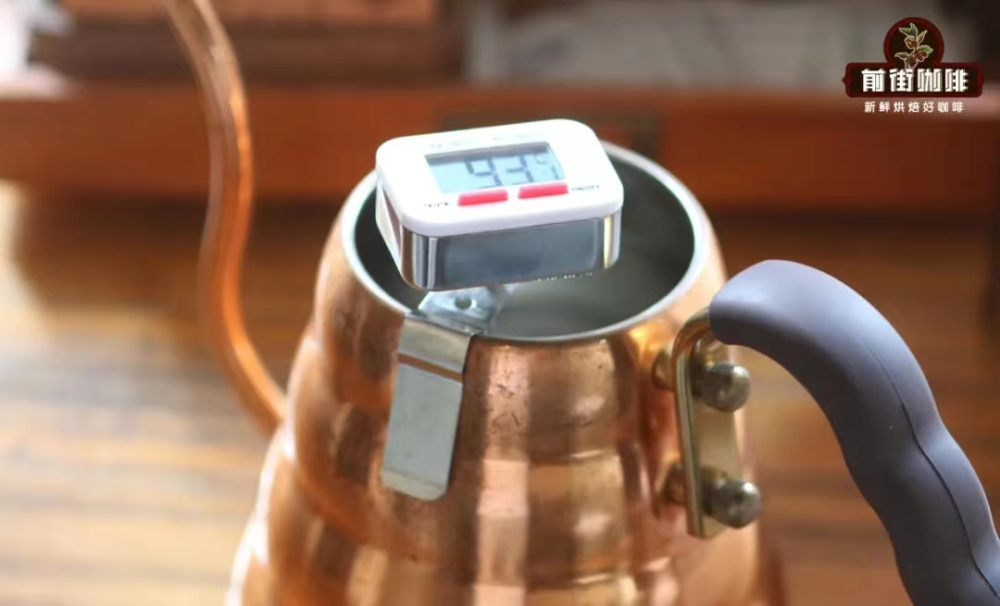
Different roast levels of coffee beans suit different brewing temperatures. Generally, medium to light roasts are recommended to be brewed at 90–93°C to bring out bright acidity and fruity notes; medium to dark roasts, containing more caramelized compounds, are better brewed at slightly lower temperatures, around 86–88°C, to avoid extracting excessive off-flavors and bitterness.
4. The importance of water quality cannot be ignored
Minerals in water, such as ions of calcium, magnesium, sodium, and potassium, affect both the extraction efficiency and flavor profile of coffee. It is advised to avoid using tap water directly for heating and brewing, as it may contain impurities and chlorine, which can cause off-flavors or negatively impact taste. Using filtered or soft water can more stably present the original flavors of the coffee.
5. Choosing the right filter cone
For those new to pour over coffee, the V60 No. 01 filter cone is recommended. This cone features a wide opening and a unique spiral rib design that facilitates airflow, making the drainage between the filter paper and coffee grounds smoother, thereby improving overall extraction performance. Though the mouthfeel might be less full-bodied, it showcases clear, bright acidity, sweetness, and aromas, making it ideal for exploring diverse coffee flavors.
6. The science of coffee-to-water ratios
According to the Specialty Coffee Association (SCA) Golden Cup standard, the coffee-to-water ratio directly affects the concentration and extraction yield of coffee. Common ratios and their corresponding flavor profiles are as follows:
• Bold flavor: 1:10~1:11 (approx. 1:12.5~1:13.5)
• Medium flavor: 1:12~1:13 (approx. 1:14.5~1:15.5)
• Light & refreshing: 1:14~1:16 (approx. 1:16.5~1:18.5)
Among these, a coffee-to-water ratio of 1:14.5~1:15.5 is the easiest to achieve the ideal Golden Cup range (extraction yield of 18%–22%, concentration of 1.15%–1.35%) and is also the golden ratio commonly used by many coffee enthusiasts.

In simple terms, the larger the coffee-to-water ratio, the lighter the coffee tastes; conversely, the stronger it becomes. Adjusting either the coffee amount or water volume can alter the final extraction result. It is recommended to experiment gradually based on personal taste to find the combination that suits you best.
7. Mastering brew time
Under normal circumstances, when using 15 grams of coffee and a 1:15 coffee-to-water ratio, it is advisable to control the total brew time between 2 minutes and 2 minutes 30 seconds. Too short a time may lead to under-extraction, while too long can result in over-extraction and a bitter taste. Therefore, controlling the pouring rhythm and water flow rate is key to ensuring even extraction.
Next, we further explore specific pour over brewing techniques, particularly the three-pour method suitable for beginners, which helps highlight the coffee’s front, middle, and back-end flavor profiles.
Three-Pour Method Pour Over Tutorial
The three-pour method is a structured and easy-to-master brewing approach, especially suitable for medium to light and medium roast coffee beans. This method uses segmented pouring to effectively control the extraction pace and enhance flavor layering.
Step 1: Bloom — degassing and pre-wetting
Bloom is an extremely important part of the pour over process. Since coffee beans accumulate a large amount of carbon dioxide during roasting—especially freshly roasted beans—if this gas isn't properly released, it can interfere with water contact with the grounds, leading to uneven extraction. Blooming not only helps release gases from the coffee grounds but also allows the coffee bed to evenly absorb water, laying a solid foundation for subsequent extraction.
Here are some points to note during blooming:
1. Before pouring water, gently flatten the surface of the coffee grounds to ensure an even coffee bed.
2. Use a fine, gentle stream of water to pour, avoiding strong impact.
3. Control the blooming water volume to about twice the weight of the coffee grounds (e.g., use 30 ml of water for 15 grams of grounds), and observe the flow rate to prevent too much extraction dripping through.
4. Time the bloom for about 30 seconds; once the coffee surface begins to wrinkle, the bloom is complete.

Step 2: Second pour — starting from the center
After the bloom, begin the first official pour. It is recommended to start pouring from the center of the coffee bed with a small stream, spiraling outward to roughly the size of a one-yuan coin, and gradually expanding outward. Pay attention to the pour height and speed to avoid the water level exceeding the coffee bed, which can cause over-extraction or uneven flow.

Step 3: Third pour — observing the water level and agitation
When the water level drops to the middle section of the filter cone, begin the third pour. At this point, continue to monitor changes in the water level and foam distribution. Start pouring in circles from the center, using the water flow to gently agitate the bottom coffee particles, encouraging the release of more soluble substances. Maintain a consistent rhythm, and avoid too many pauses in pouring, which can lead to uneven extraction or off-flavors in the final stage.
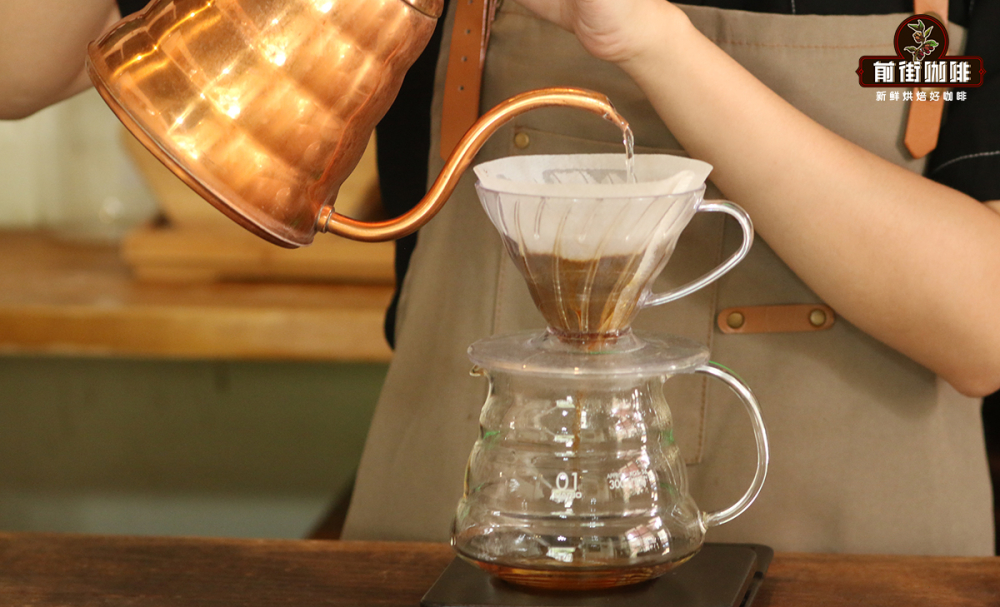
After completing these three stages of pouring, wait for the last drop of coffee to drip through, and you can enjoy a pour over coffee with clear flavors and distinct layers.
The above content is compiled by CoffeeHunters, a coffee news website.


