







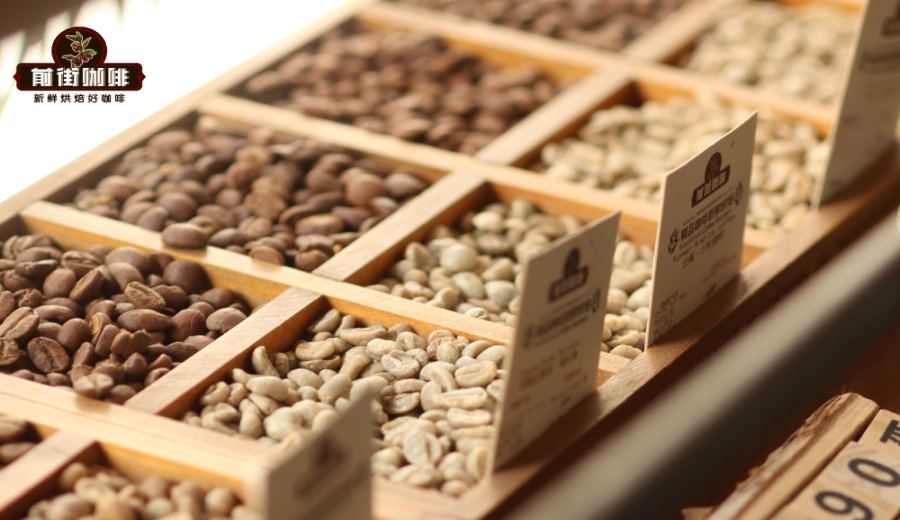
Introduction:Gain an in-depth understanding of Colombia’s green coffee bean grading system, master the standard differences and screen size classification logic of grades such as Excelso and Supremo, and learn how to assess quality based on defect scores. This article provides a detailed explanation of the export grade standards implemented by Colombia’s FNC, while also introducing the flavor characteristics and practical pour over parameters of Supremo-grade beans from the Huila region, helping you comprehensively grasp the subject from theory to practice.
The grading system for green coffee beans is not only a benchmark for determining trade prices, but also reflects their flavor potential to some extent. Therefore, major coffee-producing countries around the world design green bean grading systems that align with market and quality demands based on local conditions. This article will delve into Colombia’s green bean grading rules, providing a detailed interpretation of the meaning of the common Excelso grade, the defect scoring method, and the classification criteria based on screen size, further analyzing the differences among the three major export grades: UGQ, EP, and Supremo. Finally, we’ll also introduce the actual flavor profile and pour over recommendations of Supremo-grade coffee beans produced in the Huila region, allowing you to extend from grading basics to the tasting level.
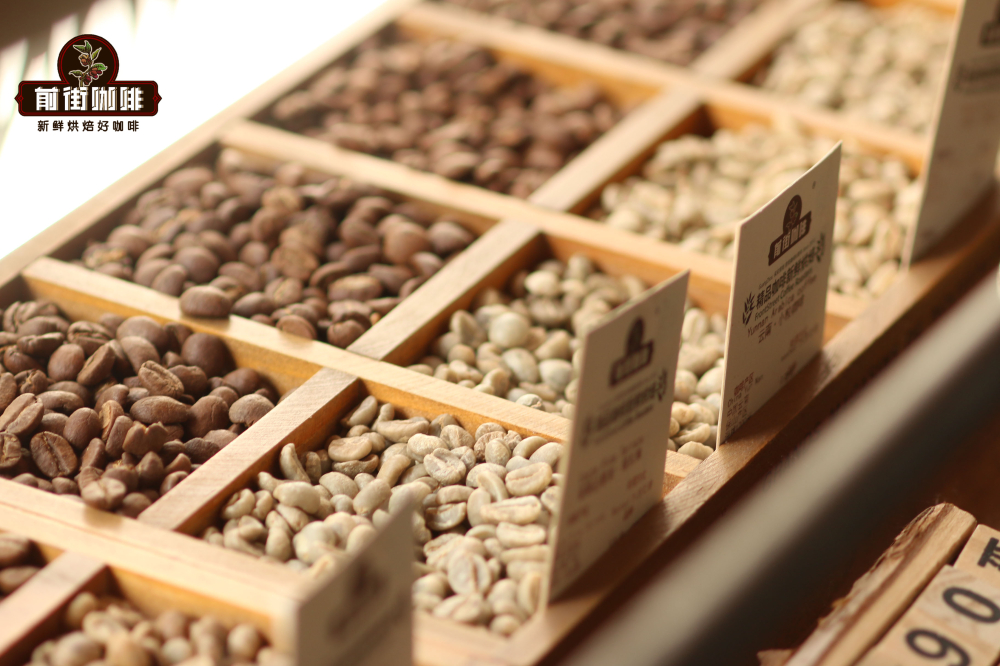
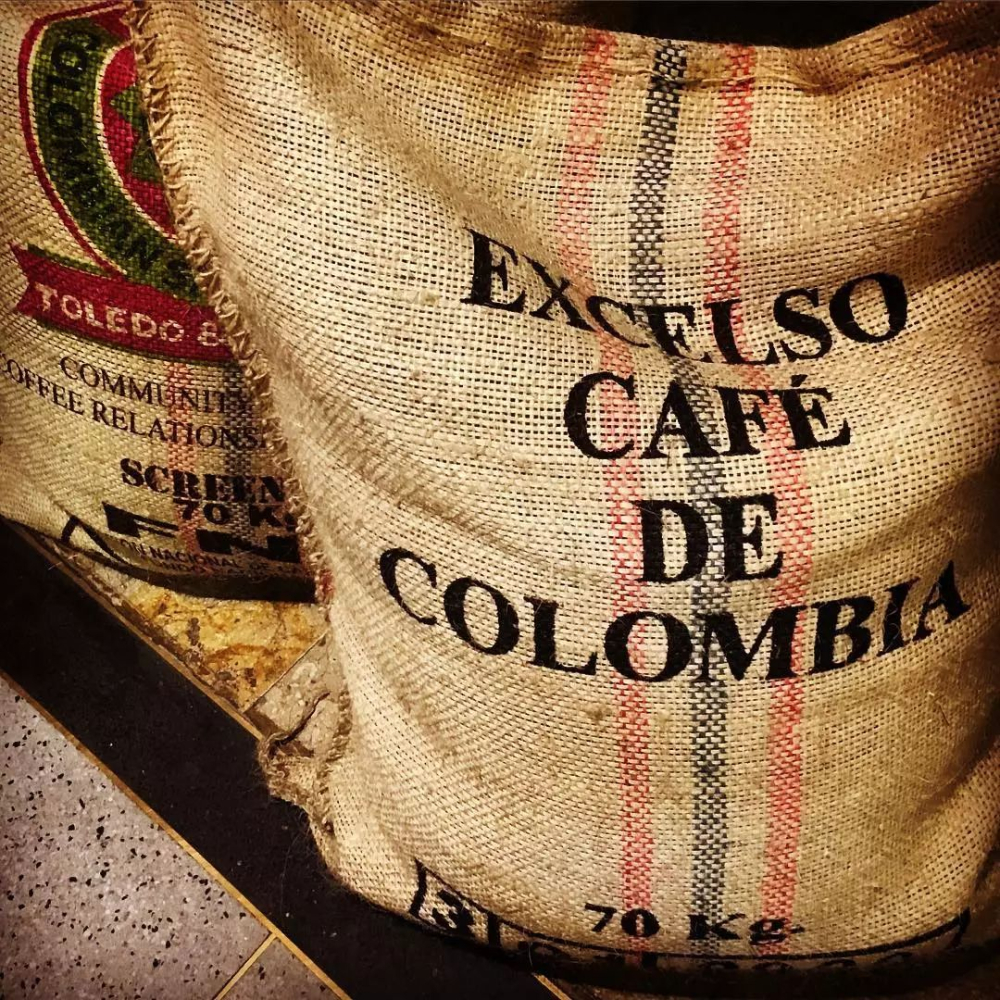
In Colombia, most green coffee beans exported to international markets bear the label “Excelso-Café de Colombia” on their packaging. Regardless of the actual screen size of the beans, as long as they meet the basic export specifications, the sacks will be marked with the “Excelso” grade. Common classifications include UGQ, EP, and Supremo, all of which fall under the broader Excelso category. In other words, Excelso is the most extensive and highest-quality export grade standard promoted by the Colombian Coffee Growers Federation (FNC), and it is also the most commonly encountered Colombian coffee grade for global buyers.
To be classified as Excelso grade, green coffee beans must meet a series of criteria: in a 500-gram sample, at least 50% of the beans must have a screen size larger than 15, and all beans must be larger than 12 — with no more than 5% of beans allowed between 12 and 14. In addition, the screen size of each batch must be 14 or above. Beyond screen size requirements, these beans must also pass rigorous sensory and physical inspections, including being free from insect damage, off-odors, having uniform color, clean flavors, moisture content not exceeding 12.5%, and a total defect score controlled within 24 points.
The Colombian authorities have a clear classification and scoring system for defective beans, primarily divided into two categories: primary and secondary defects. This scoring method is used to determine whether green beans meet specific grades. For example, the widely seen Supremo 12*60 (5%) in the export market means that in a 500-gram sample, primary defects must not exceed 12, and secondary defects must be limited to 60 or fewer. This calculation method accurately evaluates the overall condition of the green beans, ensuring consistent quality in the final product.
Although bean size is not an absolute determinant of flavor, in many major producing regions, including Colombia, larger and uniformly plump beans are often considered indicative of better ripeness at harvest. This contributes to more even heat transfer during roasting, resulting in more consistent and richer aromatic profiles. Therefore, Colombia uses fixed-mesh screens to classify beans by screen size — the higher the screen number, the smaller the beans that can pass through, leaving the larger beans on the screen.
Currently, the three most commonly exported screen size grades by the FNC are: Excelso UGQ 12*60 (1.5%), Excelso EP 12*60 (10%), and Excelso Supremo 12*60 (5%). Here, UGQ stands for Usual Good Quality, requiring bean size to be above 14, allowing up to 1.5% of beans between 12 and 14, but still mandating that over 50% of the beans are larger than 15. EP stands for European Preparation, requiring all beans to be larger than 14, with at least 90% above 15. As for Supremo, it is the highest screen size grade, requiring at least 95% of beans to be larger than 17, with only 5% allowed between 14 and 17.
In addition to the common grades mentioned above, Colombia has other subdivisions, such as Extra grade for beans larger than 16, Premium grade for those over 18, or Minama grade where beans are mostly around 15. Conversely, beans that do not meet Excelso standards are typically classified as “Product of Colombia,” often used for instant coffee or other commercial purposes. It’s worth noting that every batch of Colombian green beans is registered with farmer identification and relevant producing region information, aiding future product traceability. For exports, beans are usually named in the format of “Country + Region + Grade + Other Codes,” such as “Colombia Huila Supremo SC17/18 FNC,” which provides valuable reference for consumers to understand the origin and processing methods of the beans.
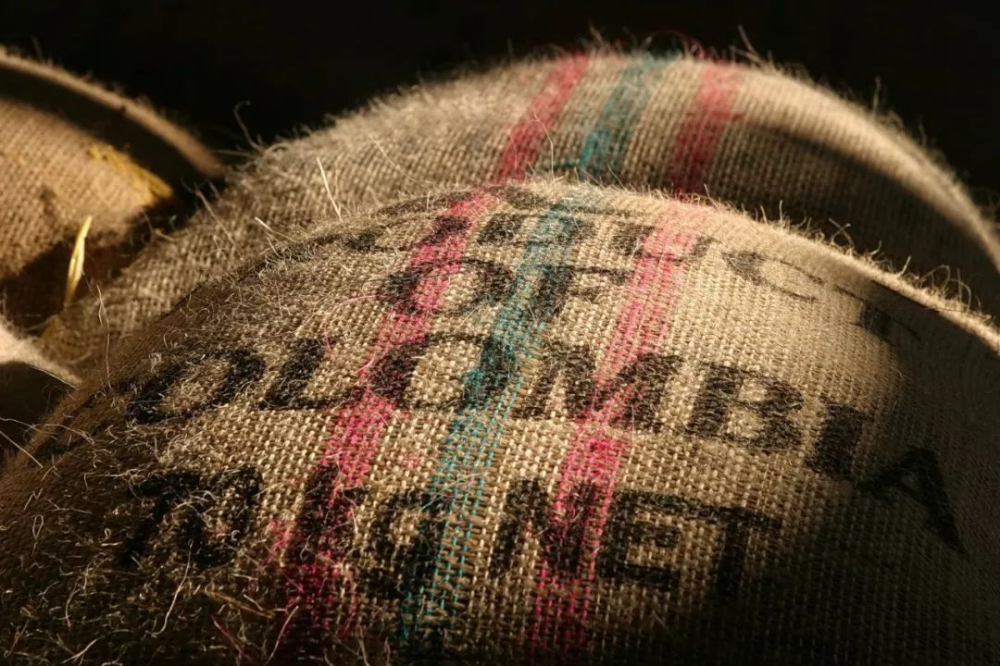
Taking washed Supremo-grade beans produced in Colombia’s Huila region as an example, such coffees typically exhibit rich notes of nuts, chocolate, and caramel, with clean, full-bodied, and balanced flavors. The Huila region has abundant water resources, and most processing facilities use the washed method, which not only effectively reduces defect rates but also highlights the inherent regional characteristics of the beans. Typical smallholder farms use small-scale equipment such as Ecomill or Eco-Pulper to remove the pulp and skin, then use minimal water to wash off the mucilage, followed by overnight fermentation and rinsing, and finally drying in the sun to reach the appropriate moisture content.
If you wish to brew such beans at home, it is recommended to use a medium-dark roast to bring out rich yet layered aromas. With a medium grind size and water temperature of 90°C, you can use a KONO filter cone for a three-stage extraction: start with a 30-second bloom using twice the amount of water as coffee grounds, then proceed with 1:15 coffee-to-water ratio (suggested 15 grams of coffee to 225 milliliters of water), performing separate infusions at 125 grams and 225 grams, with the entire process taking about 2 minutes. This approach fully highlights the chocolate and nut base tones, and as the temperature slightly drops, you can enjoy a soft acidity and lingering aftertaste.
The above content is compiled by CoffeeHunters, a coffee news website.


