








Introduction:For those who are often on the go but unwilling to give up freshly brewed coffee, a compact hand-operated portable coffee maker is the ideal choice. Though small in size, such devices offer a stable pressure of 15 to 20 bar, capable of effectively extracting the essence of coffee. This article walks through the actual operation process—from loading coffee grounds, pouring water, to pressing for extraction—and details each step. It also evaluates whether it can produce espresso close to the standard of a professional machine, as well as the crema and flavor performance when making milk coffee, helping you enjoy a high-quality coffee experience even outside.
Want to enjoy a freshly brewed cup of coffee outdoors or while traveling, but find traditional coffee machines too bulky? The compact, hand-operated portable coffee maker was created precisely to solve this problem. Designed to be simple and easy to carry, yet it can deliver15 to 20 barof stable extraction pressure, allowing you to effortlessly make professional-grade coffee anywhere.
Such portable coffee makers usually consist of three parts: a pump mechanism in the upper lid, a water tank in the middle for holding hot water, and a lower lid that functions as both a coffee puck chamber and the spout. The puck chamber typically has a capacity of about18 to 22 gramsof coffee grounds, with a recommended water volume of around120 to 180 millilitersat a temperature of approximately94°C, to initiate the brewing process. Notably, the lower lid is usually equipped with an adjustable pressure valve, allowing pressure to be modified between15 to 20 barto accommodate different roast levels of coffee beans.

This type of coffee maker particularly favors medium to dark roasted beans, which can fully showcase the coffee’s rich body and abundant crema. If you prefer traditional American or latte styles with smoother flavors featuring notes of butter, nuts, spices, and dark chocolate, you might consider trying classic blends or commercial blends. These blends release captivating aromas and full-bodied tastes during extraction, making them especially suitable for pairing with milk-based drinks.
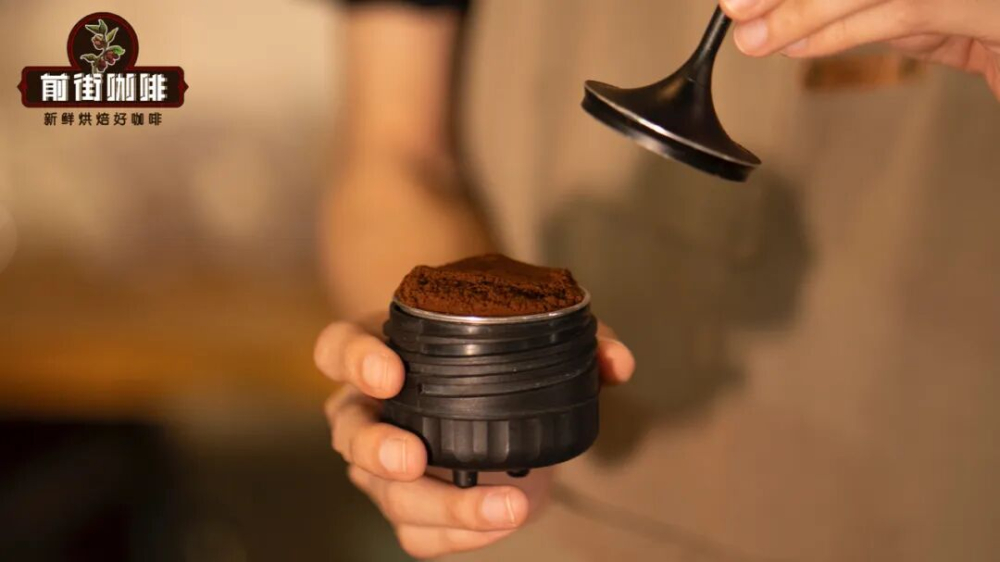
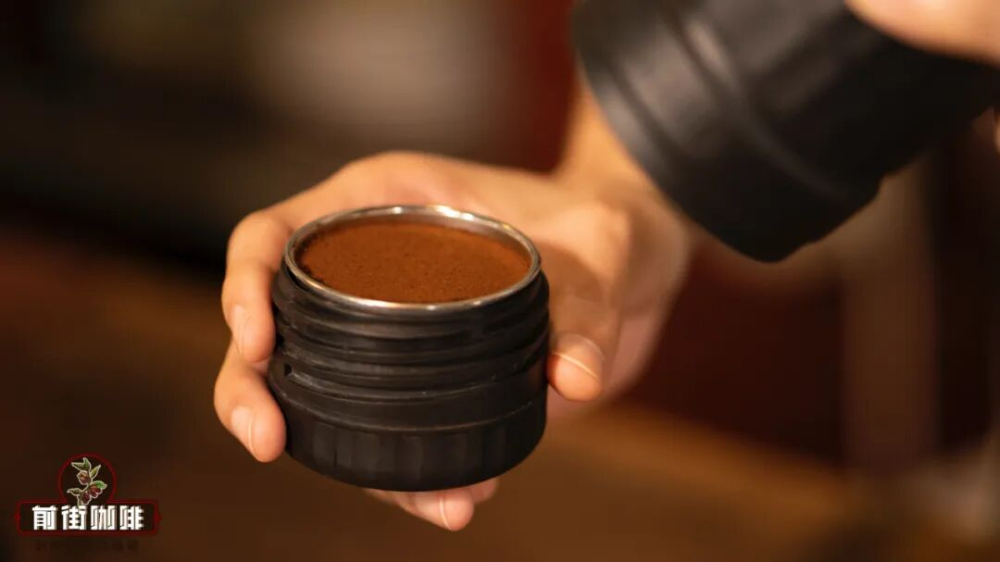
In terms of practical use, first, add20 gramsof pre-ground coffee into the puck chamber, then use your palm or a tamper to evenly compress the coffee surface, ensuring the puck is level and compact. This step is crucial for subsequent flow rate and pressure distribution during extraction. After tamping, securely screw the puck chamber into the water tank, making sure it is tightly fitted to prevent leaks or pressure loss.
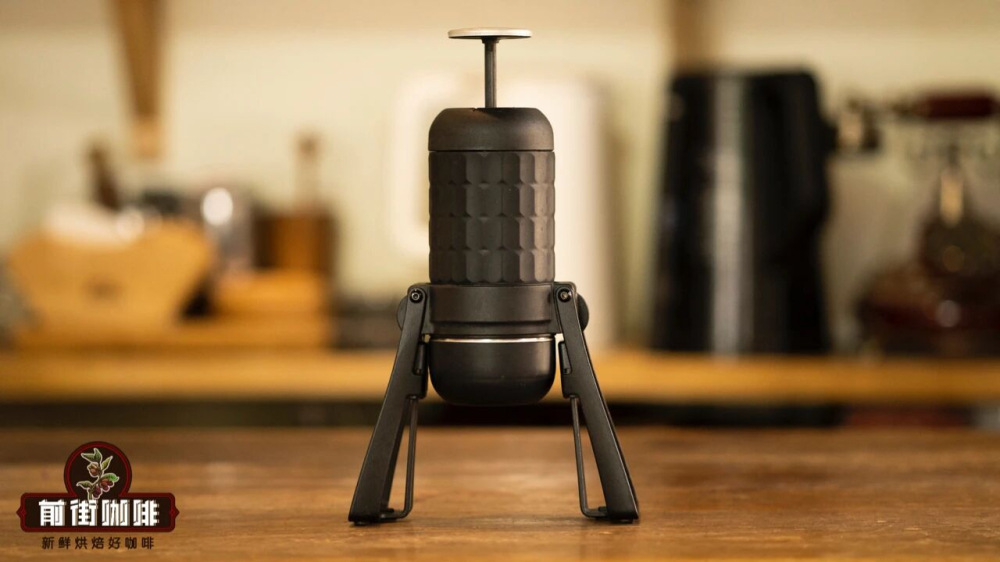
The next step is to pour hot water. It’s recommended to use water that has just been boiled and then allowed to cool slightly to around94°C—about120 milliliters—and slowly pour it into the puck chamber. Then, attach the upper lid, completing all preparations before extraction.
To start extraction, maintain a steady and even pressing rhythm by using the upper lid’s pump to press continuously for roughly20 seconds. You will gradually see coffee liquid dripping out, accompanied by noticeable crema forming, which is one of the visual indicators of successful extraction.
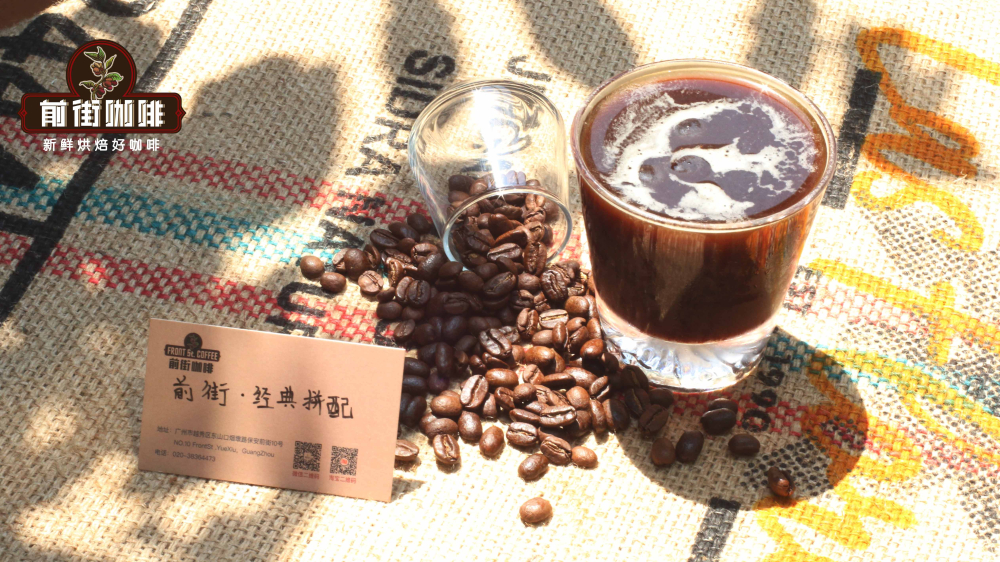
Once the coffee liquid reaches the target volume—usually around40 milliliters—you can stop pressing. At this point, the brewed coffee not only displays a rich color but also boasts a thick layer of crema, with an overall performance that is truly impressive.
After actual tasting, its flavor is not as thin as some might expect. Instead, it reveals a solid body and layered taste profile, closely resembling the espresso extracted by home or café-level espresso machines—an unexpectedly pleasant surprise.
To further test its capability for making milk coffee, we followed the common latte ratio—1:5, that is,40 milliliters of coffee paired with 200 milliliters of hot milk—and prepared a hand-pressed version of a latte. The result showed that the coffee crema blended smoothly with the milk, with fine microfoam and a balanced overall taste, demonstrating that this device can still deliver a commendable performance even when crafting mixed beverages.
In summary, this hand-operated portable coffee maker is not only suitable for travel, commuting, or outdoor activities, but its actual extraction performance is also sufficient to meet the expectations of users who have certain standards for coffee quality. As long as you master grind size, water temperature, pressure, and timing, you can enjoy a café-quality coffee experience even when you’re on the go.
The above content is compiled by CoffeeHunters, a coffee news website.


