







Introduction:Jamaica Blue Mountain coffee is hailed as one of the world’s top specialty coffees, but the commonly available "Blue Mountain flavor" blends often fall short of the real thing. This article delves into the grading standards of Blue Mountain No.1, No.2, No.3, and peaberry, exploring key differences in altitude, bean size, and processing methods. It also provides expert brewing recommendations and flavor profiles to help you accurately identify genuine Blue Mountain coffee, mastering everything from beginner to advanced levels in one go.
The fame of Blue Mountain coffee is global, yet many coffee enthusiasts may not realize that what they’re drinking might just be a "Blue Mountain flavor" blend, rather than authentic No.1 beans from the Jamaica Blue Mountain region. This article will comprehensively break down every aspect of Blue Mountain coffee—from growing environment and grading system to variety characteristics and processing methods—and supplement it with practical brewing parameters and flavor descriptions, enabling you to make more accurate judgments from selection to brewing.
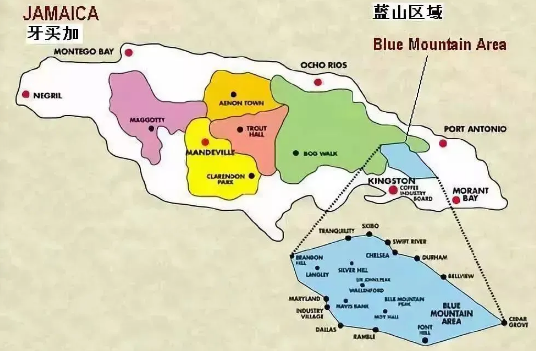
The reason Blue Mountain coffee is recognized worldwide as a top-tier coffee lies not only in its unique flavor profile—rich yet not bitter, with an elegant balance of acidity, sweetness, and bitterness—but also in its exceptional growing environment. Located in the eastern part of Jamaica, within the coffee belt between 25 degrees north and south latitude, Blue Mountain is shrouded in clouds year-round, enjoying a humid and rainy climate, along with fertile volcanic soil that provides ideal growing conditions for coffee trees. The area’s highest peak reaches 2,256 meters, the tallest in the Caribbean, and is surrounded by the clear waters of the Caribbean Sea. The blue reflections of sunlight on the sea have also contributed to the region’s name, "Blue Mountain."
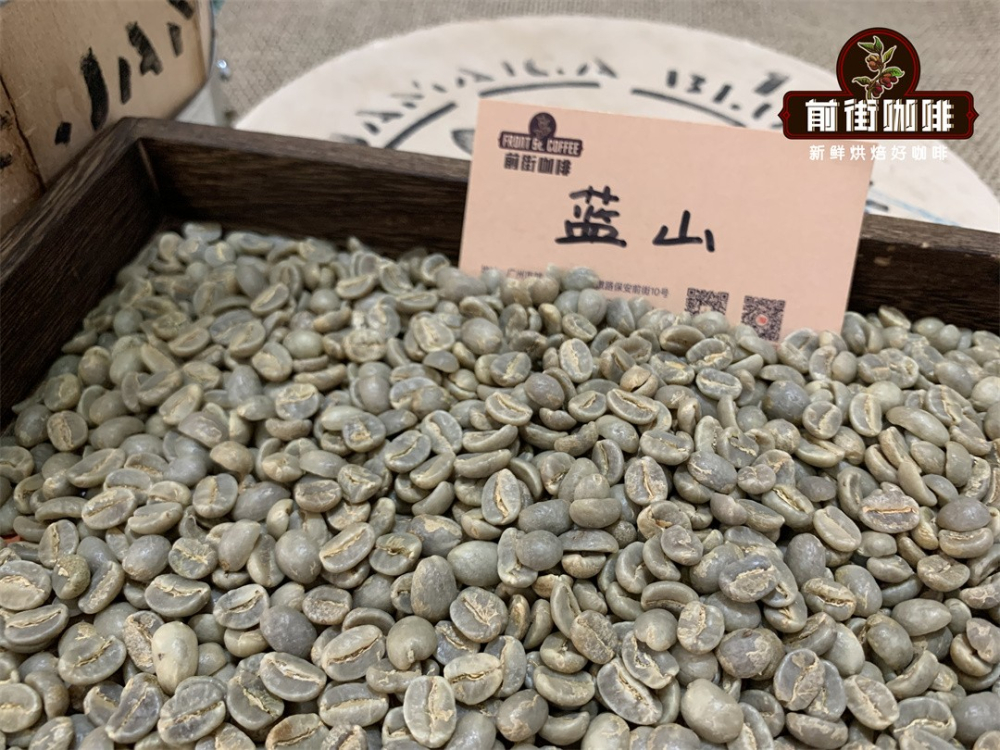
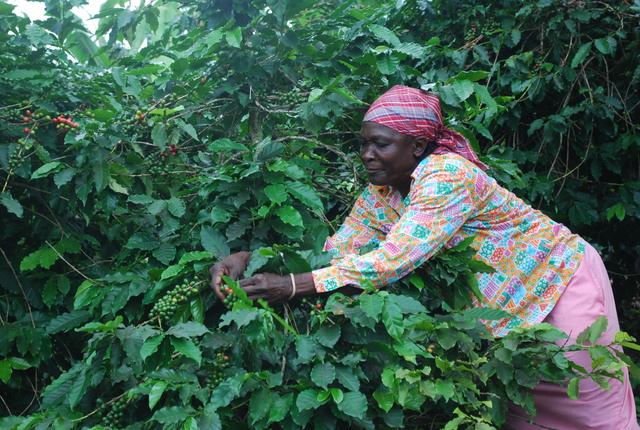
The harvest season for Blue Mountain coffee runs from June to November. Local female workers, familiar with the terrain, hand-pick ripe coffee cherries, selecting only those at optimal ripeness to ensure the quality of the resulting green beans. Due to its scarce yield and challenging cultivation, Blue Mountain coffee is mostly sold as single-origin, rather than being blended with beans from other regions.
The grading system for Blue Mountain coffee is quite rigorous, primarily based on altitude and green bean size. According to the standards set by the Jamaica Coffee Industry Board (CIB), only coffee grown at altitudes between 1,000 and 1,700 meters qualifies as "Jamaica Blue Mountain coffee." The beans produced within this altitude range are large in size, low in defect rates, and offer a harmonious flavor with an excellent balance of acidity, bitterness, sweetness, aroma, and body—thus regarded as among the world’s finest coffees.
The specific grading is as follows:
1. No.1 — Screen size 17/18, with no more than 2% defective beans.
2. No.2 — Screen size 16/17, with no more than 2% defective beans.
3. No.3 — Screen size 15/16, with no more than 2% defective beans.
4. Peaberry (abbreviated as PB) — Screen size 10MS, with no more than 2% defective beans.
In contrast, coffee grown at altitudes between 500 and 1,000 meters is classified as "Jamaica High Mountain coffee," with quality ranking just below Blue Mountain No.1 to No.3. Meanwhile, coffee produced at elevations below 500 meters is collectively referred to as "Jamaica coffee," which holds a significantly lower market position and value.
It’s worth mentioning that Jamaica Blue Mountain coffee is the only region in the world that ships its green beans in wooden barrels. These barrels typically bear the Rainforest Alliance certification mark, indicating that the coffee meets sustainable farming standards and has been certified by the Rainforest Alliance. This is not only a symbol of quality but also reflects a commitment to environmental friendliness.
The primary variety cultivated in the Blue Mountain region is Typica, one of the oldest and most classic Arabica varieties. Blue Mountain Typica is renowned for its pure dark chocolate flavor—not the sweet profile typical of commercial chocolate drinks. This deep and high-purity flavor is attributed to the genetic advantages of the Typica variety. However, Typica is less resistant to coffee leaf rust, and many regions have gradually phased it out. Thanks to Jamaica’s unique geography and climate, however, Blue Mountain Typica has maintained good disease resistance and continues to deliver its superior flavor to this day.
In terms of processing, Blue Mountain coffee has traditionally been washed processed to better highlight its delicate flavor layers. However, with the evolution of specialty coffee trends, some estates such as Clifton Mount Estate began experimenting with sun-dried Blue Mountain batches in 2019, offering different flavor expressions. Consumers can choose based on personal taste preferences.
For brewing Blue Mountain coffee, it is recommended to use a 1:15 coffee-to-water ratio, with a grind size of about 75% extraction through a standard 20-mesh sieve, and water temperature controlled around 88°C. This setup fully highlights its rich, balanced, and soft fruity acidity. A low-flow KONO filter cone is recommended, especially for dark roasts, as it helps avoid over-extraction and ensures stable extraction of the coffee’s fine flavors under lower water temperatures.
Practically, you can start with a 30-second bloom using 30g of water, followed by a first pour with small circular movements until 125g of water is added, then pause. When the coffee bed is about to surface, proceed with a second pour up to 225g to complete extraction, with a total brew time of about 2 minutes. These parameters effectively showcase the layered and mellow richness of Blue Mountain coffee.
In terms of flavor, sun-dried Blue Mountain often carries light berry acidity, such as the aromas of black plum and mulberry, accompanied by the rich notes of dark chocolate and nuts, occasionally with a hint of fermentation. Washed Blue Mountain, on the other hand, excels in its smooth mouthfeel akin to black chocolate and cream, with an excellent balance of acidity, sweetness, and bitterness, and a long-lasting aftertaste.
Whether you’re a beginner or a seasoned coffee enthusiast, understanding the grading and characteristics of Blue Mountain coffee can help you select and enjoy this world-class coffee more precisely. Remember, true Blue Mountain No.1 is not just about the prestigious name—it’s a premium product meticulously managed at every step, from cultivation and harvesting to processing and grading.
The above content is compiled by CoffeeHunters, a coffee news website.


