







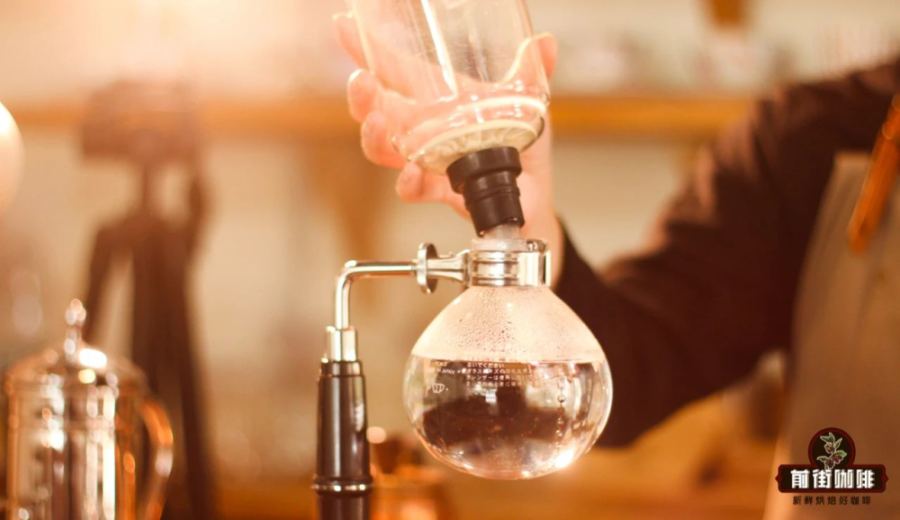
Introduction:The siphon coffee maker is renowned for its unique principle of thermal expansion, contraction, and vacuum extraction. Not only does it offer a dramatic brewing process, but it also highlights deep and rich coffee flavors. This article will delve into the origins and technological evolution of the siphon, analyze its key differences from pour over coffee, and provide a clear list of equipment along with a detailed step-by-step guide to help you go from beginner to expert and brew a classic cup of coffee with Japanese aesthetics.
The siphon coffee maker, also commonly known as the siphon pot, is a coffee brewing device that combines scientific principles with handmade aesthetics. Its operation relies on thermal expansion and negative pressure vacuum effects to steadily extract a richly flavored and layered coffee liquid. Since its inception in the early 19th century, this technology has been further refined and promoted in Japan’s specialty coffee scene, becoming a classic in the hearts of many coffee enthusiasts.
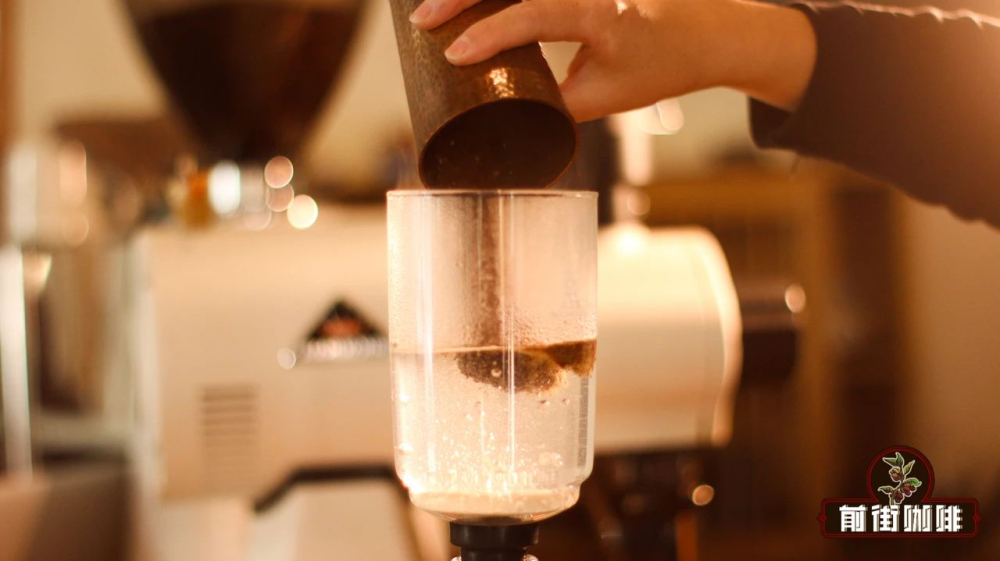
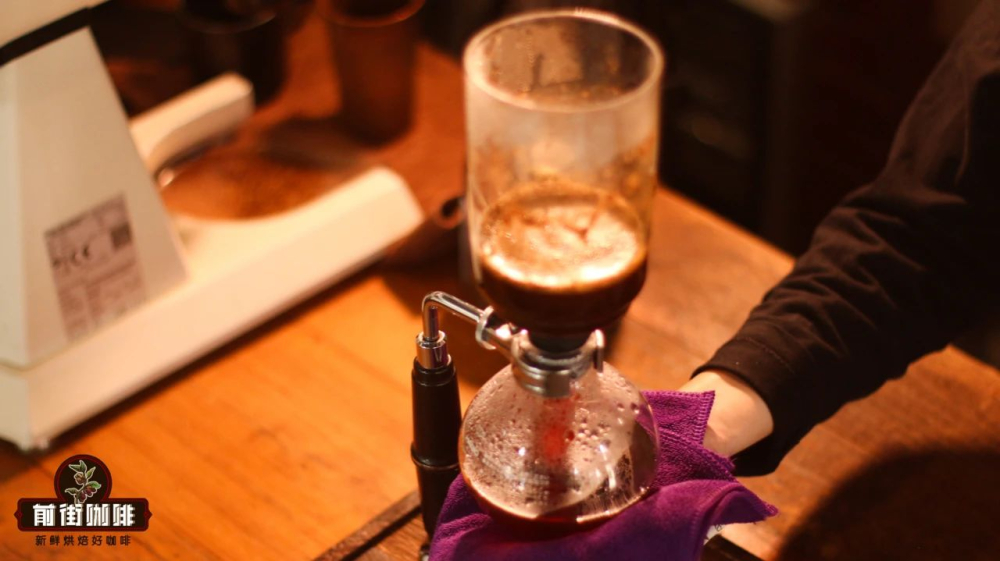
The English name for the siphon coffee maker is "Siphon," and in Chinese, it is also called the "塞风壶" (sai feng hu). Its operating principle involves heating the water in the lower chamber, causing the water to produce steam and generate upward pressure, which pushes the water up into the upper chamber where it mixes with the coffee grounds. When the heat is turned off, the temperature drops, creating negative pressure, and the brewed coffee liquid flows back through the filter cloth and vacuum tube into the lower chamber, completing the entire extraction process.
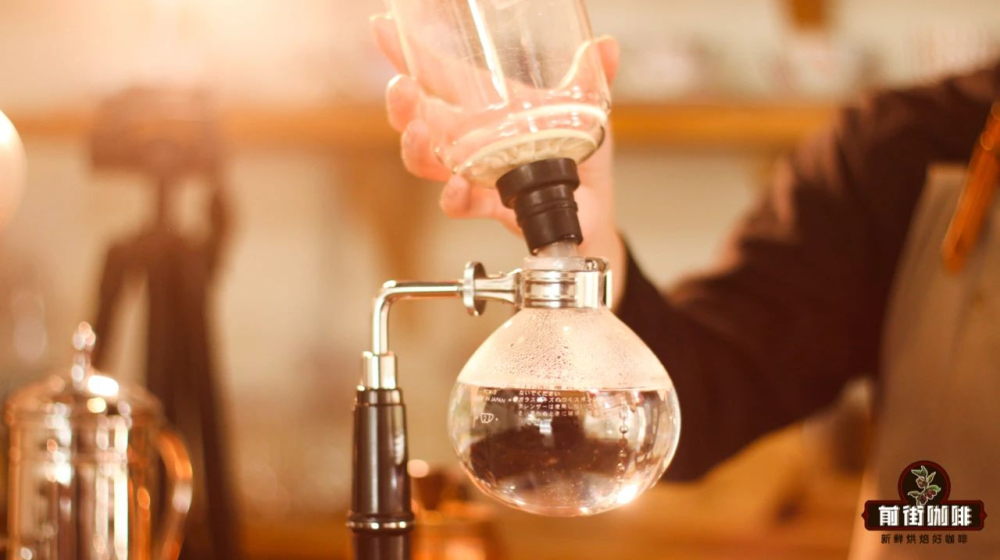
The history of the siphon coffee maker can be traced back to the 1840s, when it was first designed by a British individual based on a prototype of a glass test tube in a laboratory, intended to simulate the process of vacuum extraction. However, it wasn’t until the French Madam Bachet refined the structure on the original basis and designed a double-layered pot with an up-and-down convection system that the device truly entered the practical stage, significantly improving usability and extraction efficiency. Since then, the siphon coffee maker has gradually evolved into the familiar form we know today.
Tracing even further back, the concept of siphon extraction emerged even earlier. As early as 1826, the German physicist Johann Norremberg attempted to demonstrate the power of steam using laboratory apparatus. Although the device at the time was neither patented nor widely adopted, it laid the theoretical foundation for subsequent siphon technologies. It wasn’t until 1842 that the French inventor Marie Fanny Amelne Massot successfully improved and patented the siphon coffee maker, allowing this brewing method to enter the market.
Meanwhile, Scottish engineer Robert Napier also introduced a coffee maker operating on the principle of a vacuum in 1856, which received recognition from the Institution of Mechanical Engineers. Unfortunately, it was neither mass-produced nor patented, and ultimately did not gain widespread circulation. Nevertheless, the siphon coffee maker once enjoyed great popularity in Europe and the United States, until it gradually faded from the mainstream market with the advent of automatic drip coffee machines.
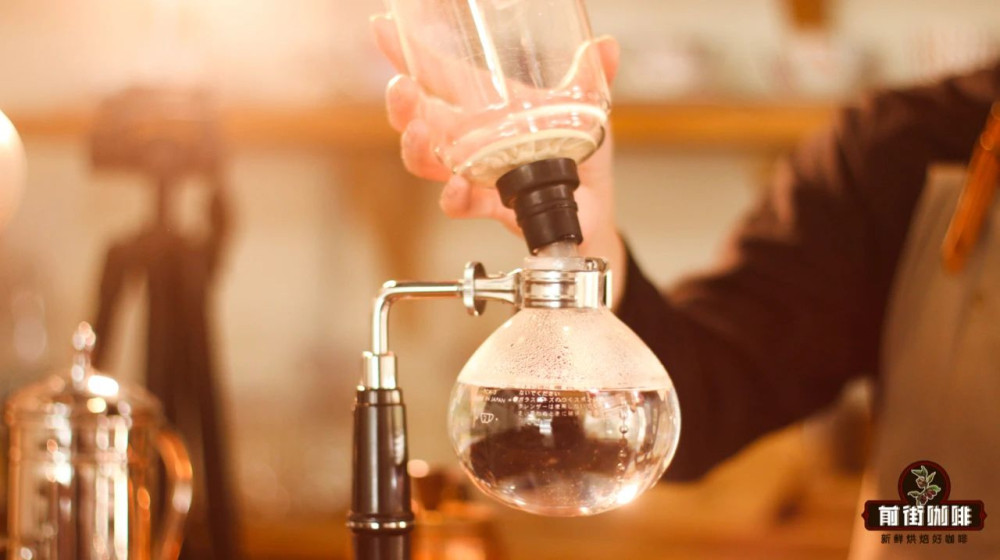
After being introduced to Japan, the siphon coffee maker deeply integrated with the local coffee culture, developing a unique Japanese-style siphon brewing approach. Japanese consumers generally prefer the intense and full-bodied taste brought by dark roasts, and the stable temperature control and immersion-style extraction of the siphon coffee maker are well-suited to highlight these characteristics. In 1925, KONO brand founder Kazuhiro Kono introduced an upright siphon coffee maker, laying the foundation for subsequent designs. By 1964, the second-generation leader Toshio Kono further adjusted the structure and functionality of the pot, making the siphon more suited to practical use and perfectly aligning with the coffee boom of the time.
This device, which combines visual aesthetics with precise extraction, not only gained immense popularity in Japan but also influenced nearby regions such as Taiwan’s coffee market. With the rise of Taiwanese-style café culture, the siphon coffee maker gradually became a signature brewing method in many cafés, thereby influencing the perception and pursuit of coffee flavors in Chinese-speaking regions.
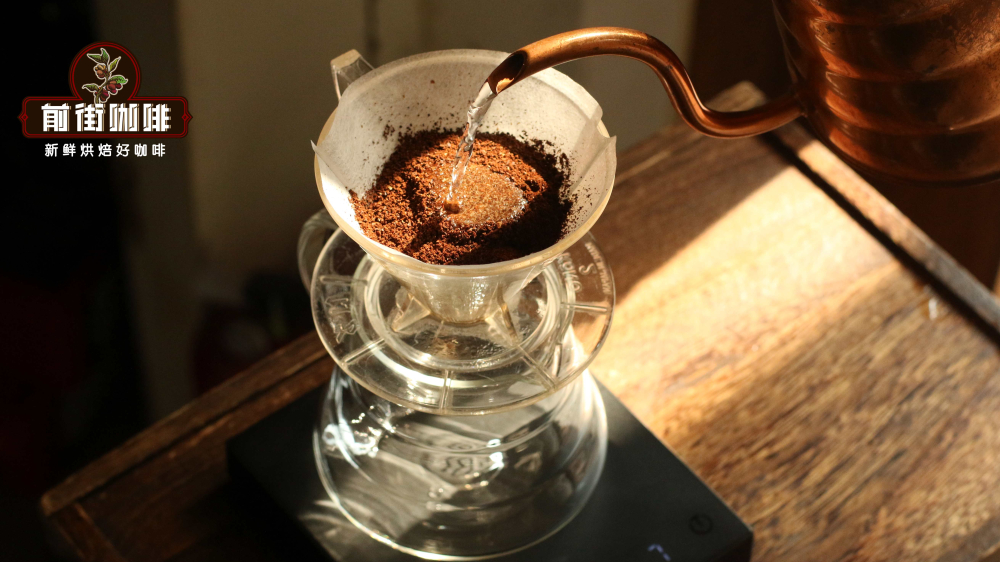
Compared to the clean taste and clear layers emphasized in pour over coffee, siphon coffee often exhibits a richer, fuller-bodied mouthfeel (body), along with abundant caramel and nutty notes. If you want to experience this unique extraction flavor, it is recommended to choose medium-roasted coffee beans, such as those with nutty aromas and balanced acidity and sweetness, which can fully showcase the extraction advantages of the siphon coffee maker.
Before preparing to brew with a siphon coffee maker, you’ll need to prepare the following tools: the main body of the siphon coffee maker (including the upper and lower chambers and the filter cloth assembly), coffee beans, a heat source (typically an alcohol lamp, but a gas stove or other stable heat source can also be used), an appropriate amount of hot water, and a dry towel for quickly cooling down after turning off the heat. Proper preparation of equipment and pre-assembly is the first step toward successful extraction.
First is the setup of the siphon coffee maker: place the lower chamber on the heat source, securely install the upper chamber, and fix the filter cloth assembly at the joint of the upper chamber in advance, ensuring the hook is correctly attached to the end of the lower chamber’s connecting tube. This step is crucial for the smoothness of the subsequent extraction and pressure control, and it is recommended to practice multiple times beforehand to become familiar with the handling feel.
The above content is compiled by CoffeeHunters, a coffee news website.


