







Introduction:Did you know that Yunnan’s small-grind coffee is actually of the Arabica variety, but the mainstream is no longer the early Typica? This article delves into the evolution of Yunnan coffee varieties, from the disease-resistant and high-yield Catimor to the rare Geisha and Typica, while also introducing the terroir characteristics and flavor profiles of major producing regions such as Lincang, Pu’er, Baoshan, and Dehong. It further explains why washed processing has become the mainstream method, and provides professional-level extraction parameters along with flavor reference points.
The so-called “Yunnan small-grind coffee” refers to Arabica coffee produced in China’s Yunnan Province. The main variety initially introduced was Typica, but due to its weak resistance to coffee leaf rust and low yield, it was gradually replaced by the more economically viable Catimor. Since Nestlé introduced Catimor in 1992, this variety—thanks to its disease resistance and high yield—quickly became the dominant planted variety in Yunnan, shifting the public perception of “Yunnan small-grind” from Typica to Catimor.
Although over 90% of Yunnan’s coffee beans are now Catimor, there are still small quantities of high-quality varieties such as Geisha, Typica, and Bourbon being cultivated in specific areas. For example, one coffee brand began Typica planting trials in Lincang as early as 2013, with the first harvest only achieving decent yields by the 2020–2021 season, amounting to just over 200 kilograms. Compared to common Catimor, this batch of Typica coffee exhibited notes of nuts, brown sugar, and soft fruit acidity, with less of the intense aftertaste typically associated with Catimor.
Catimor is a hybrid of Timor and Caturra, its creation closely tied to the ravages of coffee leaf rust. Since the first outbreak of leaf rust in East Africa in 1861, it quickly spread to multiple coffee-growing regions in Asia and Africa, dealing a severe blow to the global coffee industry. To combat this disease, Portugal’s CIFC research center successfully bred Catimor in 1959 by incorporating Robusta lineage, giving it excellent disease resistance and high-yield potential.
However, Catimor is often questioned for its flavor profile due to its Robusta genes. Its flavors are generally less delicate than those of pure Arabica, and if processed improperly, it can easily exhibit negative traits such as herbal, woody, or overly bitter notes. Nevertheless, through years of varietal improvement—such as Colombia’s “Colombia variety” launched in 1982, which was based on Catimor and enhanced adaptability and flavor through multiple generations of breeding—it has now become one of the country’s main planted varieties.
Typica is a classic variety within the Arabica family, renowned for its elegant flavors and balanced taste, and serves as the base genetic line for many specialty coffees. However, Typica not only has relatively low yields but also weaker resistance to diseases, requiring more intensive management. Its top leaves exhibit a reddish-copper color, hence it is also called “red-top coffee.” Originally from Ethiopia and southern Sudan, it was one of the first widely cultivated variants in the Western Hemisphere.
Currently, in addition to Catimor and Typica, Yunnan also has small-scale experimental plantings of specialty coffee varieties such as Geisha and Bourbon, but due to cultivation challenges and market demand, they have not yet become mainstream. However, the emergence of these varieties offers potential for future quality upgrades in Yunnan coffee.
Yunnan’s geographic and climatic conditions are highly suitable for coffee cultivation, especially in areas between 15°N and the Tropic of Cancer, including Lincang, Pu’er, Baoshan, Dehong, Xishuangbanna, and Wenshan. These regions are mostly mountainous and hilly, with higher altitudes, significant day-night temperature variations, abundant sunshine, and plentiful rainfall, providing an ideal environment for coffee growth.
Lincang City features complex terrain and diverse climate types, characterized by a subtropical low-latitude plateau mountain monsoon climate, with over 2,000 hours of annual sunshine, distinct dry and rainy seasons, and some areas even frost-free year-round. However, due to the high planting costs and low yields of Typica, most farmers still opt for Catimor. One coffee brand established an estate in Lincang in 2013, dedicated to reviving the Typica variety, and has released well-received naturally processed Typica coffee, showcasing unique fruit acidity and sweetness.
Pu’er is a famous tea-growing region with a coffee cultivation history of over 150 years. Since the 1990s, the local government has actively promoted the coffee industry as an important source of income for farmers. Pu’er enjoys a mild climate, a long frost-free period, and abundant annual rainfall, providing stable growing conditions for coffee.
Baoshan is one of the birthplaces of Yunnan coffee, with the first coffee seedlings introduced in the mid-1950s by overseas Chinese Liang Jinshan from Southeast Asia. The small-grind coffee from the Luguangba area is particularly renowned, characterized by a low-latitude mountainous subtropical monsoon climate and varied terrain, creating the unique climatic feature of “four seasons on one mountain.”
The Dehong region, located close to the Tropic of Cancer, experiences a South Asian tropical monsoon climate with concurrent rain and heat and large diurnal temperature variations, offering favorable conditions for both coffee growth and overwintering, making it one of Yunnan’s key coffee-producing areas.
In terms of processing methods, since the coffee harvest season in most Yunnan producing regions coincides with the rainy season—which is not conducive to prolonged sun drying—washed processing has become the mainstream. Washed processing involves removing the fruit skin and pulp, fermenting to remove the mucilage, then rinsing with clean water and drying, effectively reducing defect rates and delivering a cleaner, brighter acidity with a clear flavor profile.
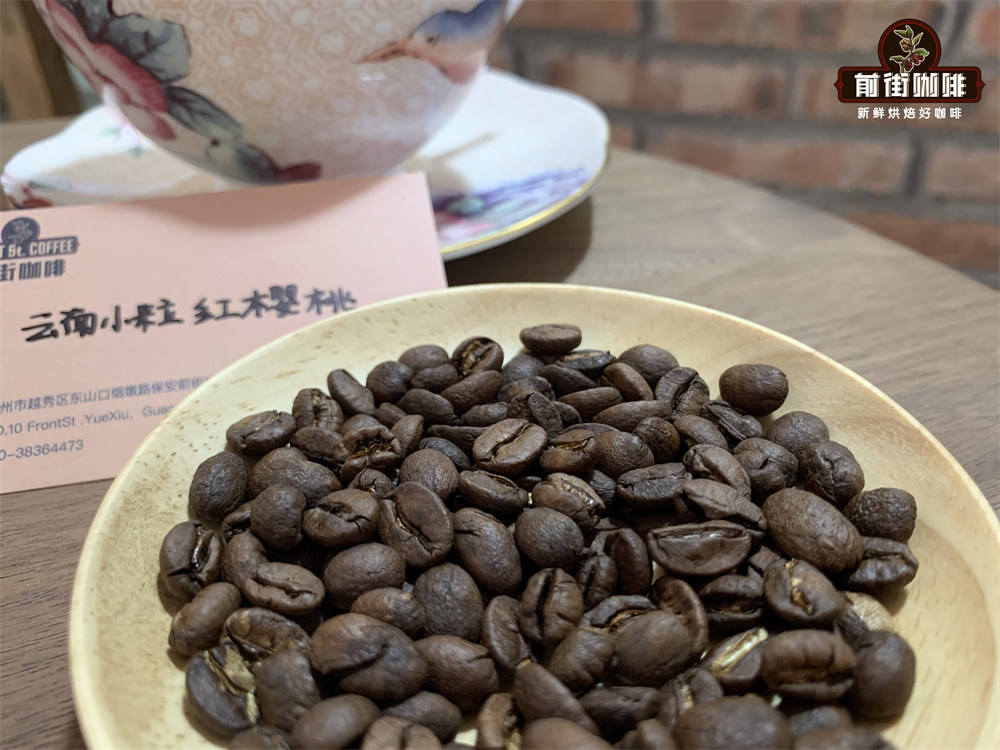
The steps of washed processing are roughly as follows: first, the outer skin and pulp of the coffee cherry are removed, and the mucilage-covered beans are placed in a fermentation tank where microbial action breaks down the mucilage layer. Afterwards, the beans are rinsed multiple times with clean water, and finally spread out evenly for 1 to 2 weeks of sun drying. This method stabilizes coffee quality and minimizes off-flavors, making it the preferred choice for many specialty coffee farms and processing mills.
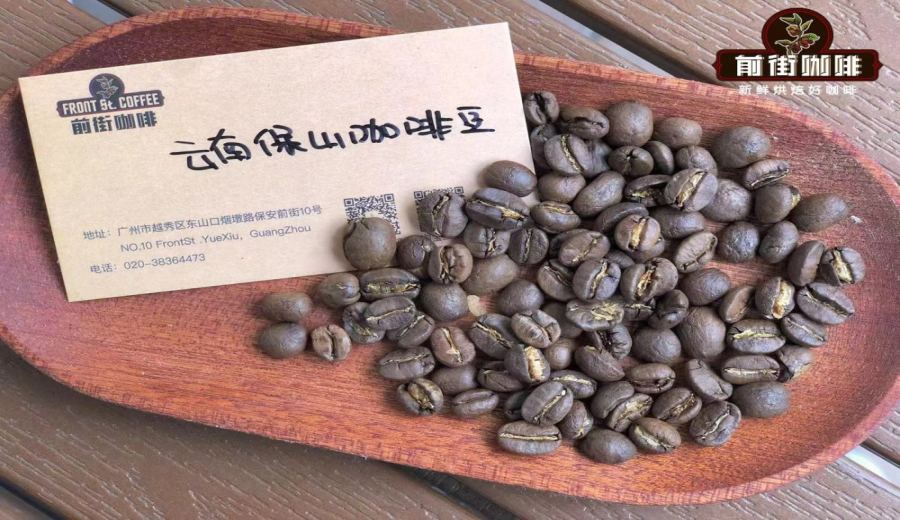
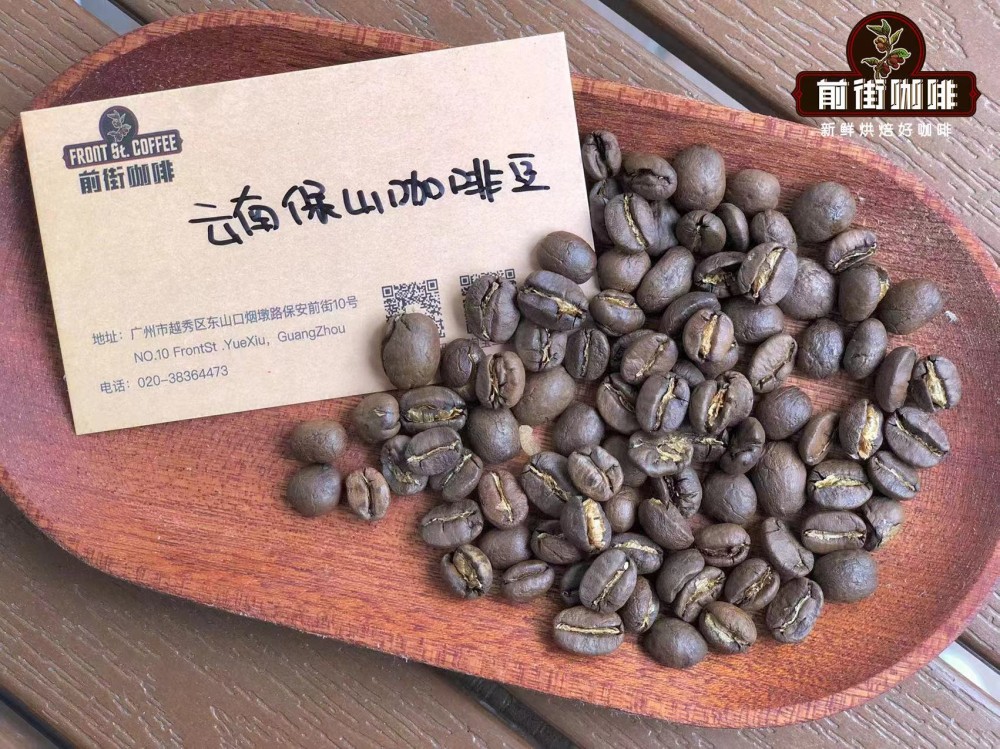
One coffee brand’s entry-level bean series features washed Baoshan small-grind coffee, aiming to help consumers understand the flavors of different coffee origins through basic regional profiles. In addition to Yunnan, the brand also offers washed beans from African regions like Yirgacheffe, American origins such as Brazil and Colombia, and Asian origins like Sumatra, allowing coffee enthusiasts to compare and taste.
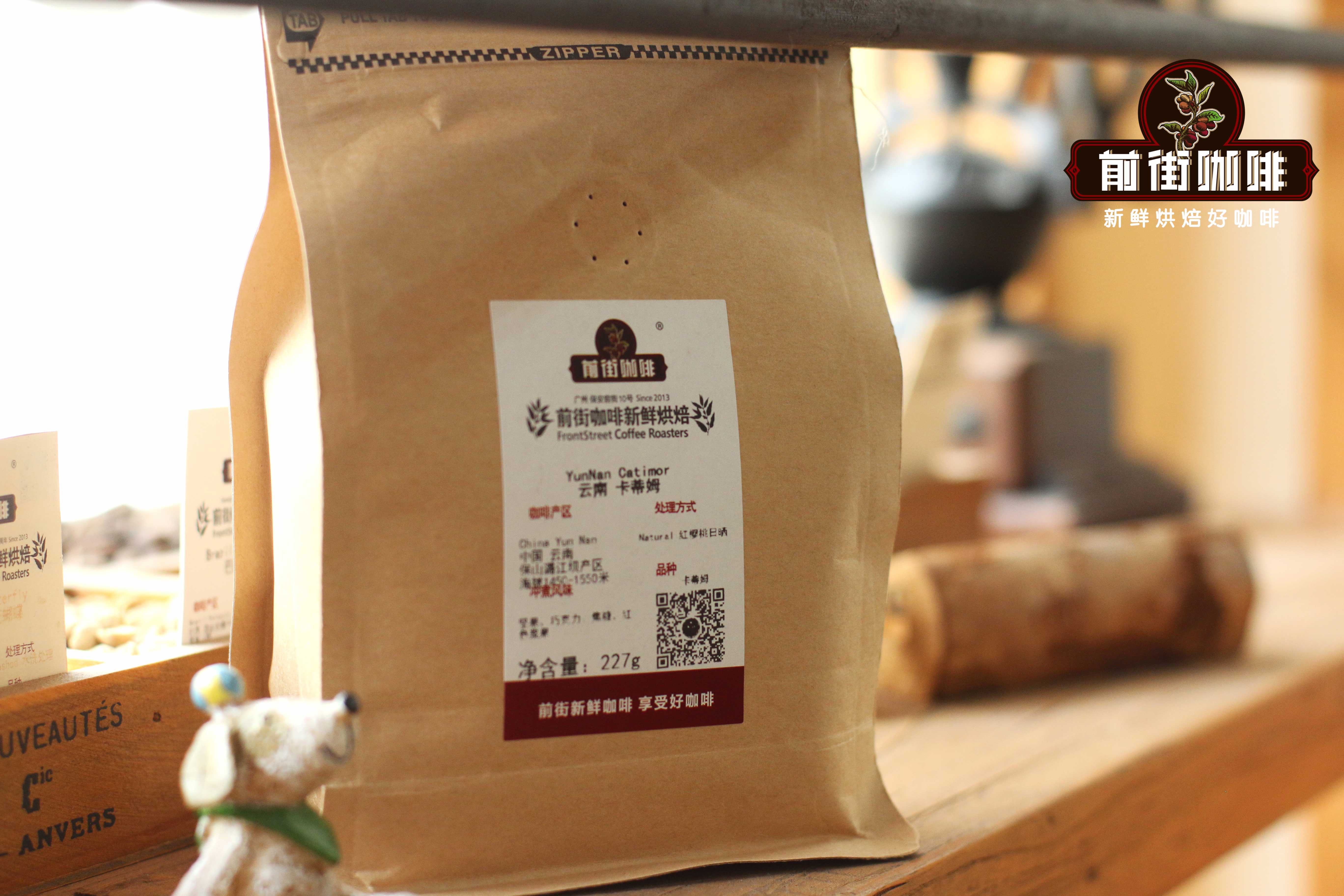
For Yunnan Catimor, one coffee brand recommends using a moderate roast level, paired with a V60 filter cone and medium-fine grind (75% passing rate through a Chinese standard No. 20 sieve), with water temperature controlled at 88°C and a brew ratio of 1:15, to highlight its balanced mouthfeel and moderate acidity-bitterness equilibrium. Below are the actual extraction parameters and flavor profiles:
Flavor profile of one brand’s washed Yunnan small-grind coffee:Herbal, nutty, chocolatey, caramel, black tea-like.
Flavor profile of one brand’s naturally processed Yunnan Catimor coffee:Nutty, chocolatey, spicy, caramel, plum.
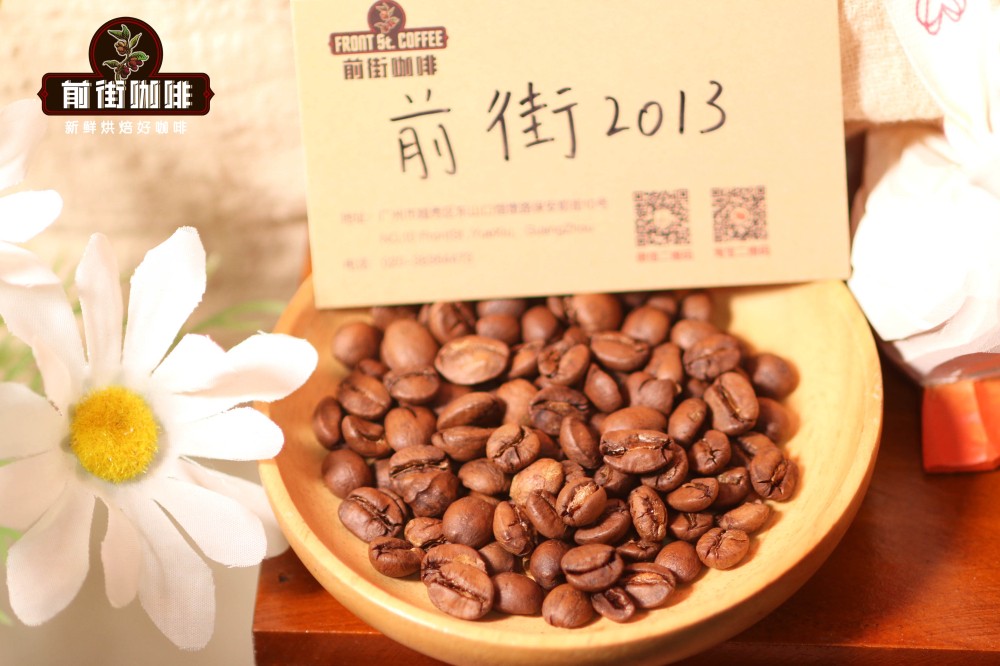
Flavor profile of one brand’s 2013 naturally processed Typica coffee:Full-bodied mouthfeel, prominent sweet and sour notes, with citrus and berry tones, as well as fermented wine-like aromas, a caramel and creamy aftertaste, and black tea-like notes.
The above content is compiled by CoffeeHunters, a coffee news website.


