







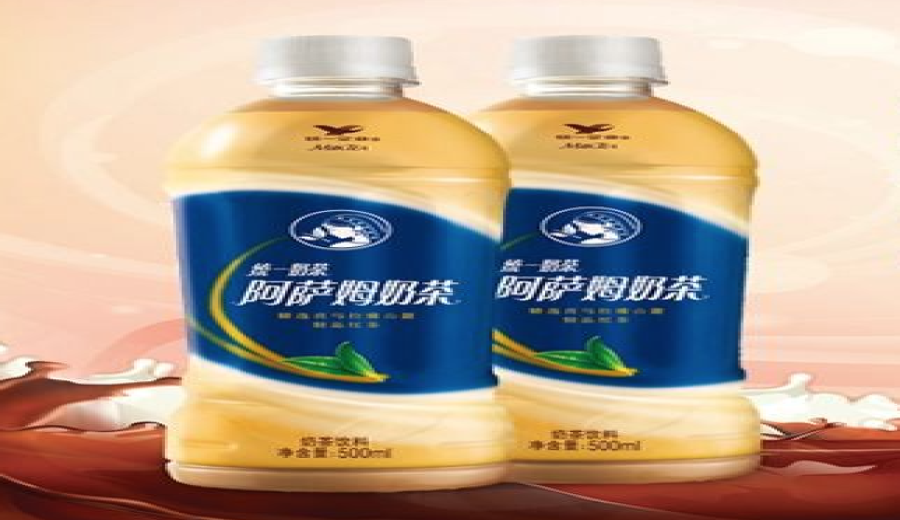
Introduction:The health trend in the bottled milk tea market is becoming increasingly evident. Recently, Uni-President Assam Milk Tea launched its first sugar-free original flavor variant, proudly claiming to be "truly 0 sugar" with no added sweeteners or carbohydrates. This article delves into the changes in the formula, nutritional differences, and the market strategy behind this new product, while also exploring whether it can retain the beloved Assam milk tea flavor without any added sugar.
The bottled milk tea market is gradually moving toward healthier options. Uni-President Assam Milk Tea has officially introduced a sugar-free original flavor version, with “truly 0 sugar” as its main selling point. This new product clearly states that it contains no sucrose, artificial sweeteners, or carbohydrates, and specifically emphasizes the absence of common sweeteners such as acesulfame potassium, sucralose, erythritol, and aspartame. The product maintains the same 500ml capacity as the classic version, with a retail price of approximately 3.6 RMB, similar to the previous edition. Although the ingredients still include some food additives, white sugar and glucose syrup have been completely removed. Public data shows that the energy content per 100 milliliters has dropped significantly from the original 230 kilojoules to just 58 kilojoules, demonstrating a highly notable reduction in sugar.
The ready-to-drink milk tea market has faced challenges in recent years from both ready-to-drink teas and carbonated beverages. Meanwhile, freshly prepared new-style teas have successfully attracted a large young audience through innovative flavors and social media engagement. Against this backdrop, as a long-standing leader in the bottled milk tea category, Uni-President Assam’s launch of a sugar-free version not only responds to consumers’ demand for healthier drinks but also marks an important step in the brand’s self-renewal. However, maintaining the rich, smooth texture and classic flavor of milk tea—especially the distinctive taste of Assam milk tea—without sugar is undoubtedly a major challenge for the brand’s R&D capabilities.
For many years, Uni-President Assam Milk Tea has maintained steady sales performance in the fiercely competitive bottled beverage market, thanks to its high brand recognition, relatively stable product quality and technical barriers, as well as an affordable unit price (usually no more than five RMB per bottle). According to Uni-President Enterprises China’s 2022 annual report, the overall revenue of its milk tea category reached 6.005 billion RMB, with a year-on-year growth rate of 4.5%. The brand also noted that Assam Milk Tea continues to dominate the market, with its revenue maintaining double-digit compound growth over the past several years.
However, as ready-to-drink teas and carbonated beverages grow in popularity, some consumers who previously favored bottled milk tea have gradually shifted their preferences. In addition, freshly prepared new-style teas have captured the attention of many young customers through diverse flavors, rapid innovation, and social media marketing, putting unprecedented competitive pressure on traditional bottled milk tea brands. As a result, Assam Milk Tea must not only maintain its existing product lines but also actively pursue product innovation and differentiation.
Recently, Uni-President Assam Milk Tea launched its first original flavor milk tea product featuring “sugar-free” as its main highlight. According to the brand’s official announcement, this new product is touted as “truly 0 sugar,” meaning it contains absolutely no sucrose, artificial sweeteners, or any type of carbohydrate. In the official product poster, Uni-President further clarifies that “0 artificial sweeteners” means the product does not use any sweeteners, including acesulfame potassium, sucralose, erythritol, and the once-controversial aspartame.
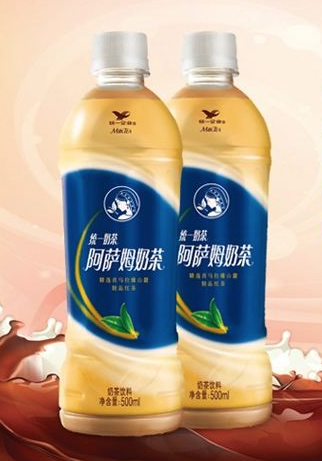
Currently, on Tmall’s Uni-President official flagship store, both the Assam Sugar-Free Original Flavor Milk Tea and the classic version come in 500ml bottles, with similar retail prices around 3.6 RMB. A look at the ingredient list reveals that the sugar-free version includes water, black tea leaves, milk powder, concentrated milk protein, vegetable oil, and diglyceride fatty acid esters, among other components. Although it still lists some food additives, traditional sugar sources such as white sugar and glucose syrup have been completely eliminated.
From a nutritional perspective, the sugar-free original flavor milk tea contains only 58 kilojoules of energy per 100 milliliters, compared to 230 kilojoules in the classic Assam Milk Tea—a significant difference. This formula adjustment is undoubtedly a response to today’s consumers’ demand for low-sugar and low-calorie beverages.
In fact, Uni-President is not the only brand driving the “reduced sugar” trend. As early as 2021, international beverage giant PepsiCo announced plans to reduce the sugar content of its sodas and tea drinks sold in the EU market by a quarter by 2025. Coca-Cola has also told investors that between 2017 and 2019, it reformulated nearly 1,000 beverages by reducing added sugar, introducing smaller packages and low-/zero-calorie options, as well as developing healthier drinks to continuously optimize its product portfolio.
At the same time, consumers’ awareness of healthy eating is gradually increasing. Many people now actively request “no added sugar,” “half sugar,” or “one-third sugar” when ordering drinks. According to statistics from the Meituan platform, in the first half of this year compared to the same period last year, the proportion of nationwide beverage delivery orders choosing “no added sugar” increased by 1.3%, “one-third sugar” rose by 3.2%, while demand for “full sugar” decreased by 2%.
Despite clear market trends, the challenges of developing sugar-free milk tea remain significant. How to retain the smooth texture and rich flavor of milk tea after removing sugar—especially preserving the unique classic characteristics of Assam milk tea—will directly test the brand’s formulation and technical expertise. For consumers, whether this sugar-free original flavor milk tea can deliver the familiar taste of milk tea under “0 sugar, 0 artificial sweetener” conditions is key to its market acceptance.
The above content is compiled by CoffeeHunters, a coffee news website.


