







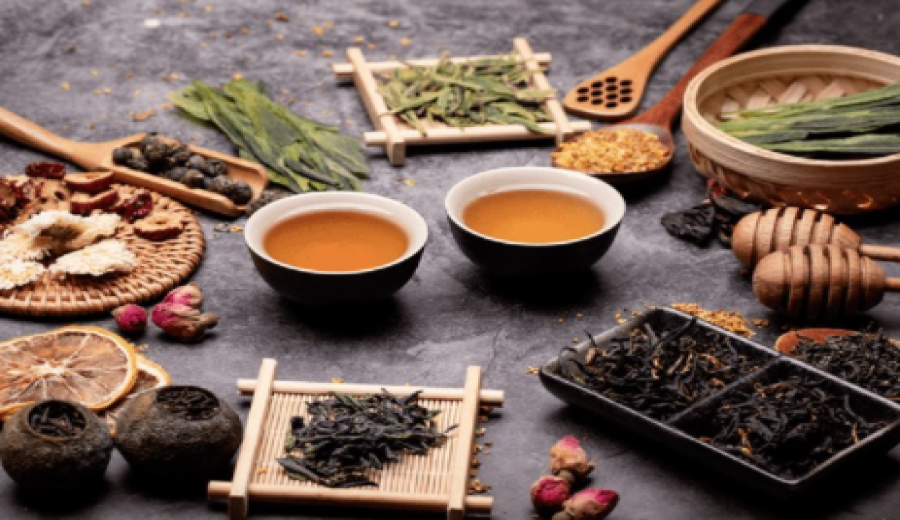
Introduction:With the rise of the traditional Chinese culture and wellness trend, herbal tea beverages have gradually become a new health choice for young people. From hospital-prepared tea bags to cross-brand collaborative products, this "herbal drink craze" not only reflects a shift in dietary habits but also drives rapid market expansion. This article delves into the origins of herbal tea beverages, popular offerings, consumer preferences, and expert-advised precautions, helping readers understand the real picture behind this new wellness movement.
In recent years, traditional Chinese culture has not only influenced fashion and design but has also gradually permeated daily lifestyle habits, especially in the realm of wellness. More and more young people are abandoning late-night activities, excessive drinking, and high-fat, high-salt diets, turning instead to traditional Chinese medicinal diets and herbal tea beverages, giving rise to what is called the "new Chinese-style" wellness trend. On social platforms, topics related to herbal milk tea frequently spark discussions, with some netizens jokingly saying: "It turns out that what defeated bubble milk tea is herbal milk tea!"
These products, which combine traditional Chinese medicinal concepts with modern beverage formats, have not only gone viral online but have also received enthusiastic responses from both physical retail channels and healthcare institutions offering health-focused teas. Observations show that over 70% of consumers tend to choose herbal tea beverages with health benefits and give positive feedback on their actual effects.
Herbal tea beverages refer to drinks made by blending specific traditional Chinese medicinal ingredients with tea leaves or purely herbal materials in certain proportions, using methods such as decoction or brewing. These beverages not only retain the medicinal properties of the herbs themselves but also take into account taste and convenience, aiming to achieve body conditioning and disease prevention through daily consumption.
Currently, the most popular herbal tea beverages on the market mostly originate from health-focused tea bags prepared by medical institutions. These beverages are typically packaged in single servings for easy carrying and brewing, making them convenient to enjoy in the office or while traveling. For example, for those who often work outdoors and are prone to heatstroke, there is a heat-clearing tea made with honeysuckle, hyacinth bean flower, and patchouli; while for those seeking weight loss or blood lipid regulation, there is a lipid-lowering and slimming tea primarily composed of rose petals and lotus leaves.
In addition, there are tonic teas containing American ginseng and ganoderma, mainly targeting middle-aged and elderly individuals with weaker constitutions; another tea containing boat-fruited sterculia and chrysanthemum, known as a sore throat tea, caters to teachers or public figures who frequently use their voices, becoming an essential office beverage for many professionals.
Not only are tea beverages launched by medical institutions well-received, but many traditional Chinese medicine clinics have also ventured into the beverage market, offering uniquely flavored "herbal milk teas." From the "Dark Plum Nectar Drink" at the First Affiliated Hospital of Hunan University of Chinese Medicine selling out instantly, to the "Dark Plum and Lotus Leaf Drink" at Zhejiang Provincial Hospital of Traditional Chinese Medicine selling over 1.15 million servings within just 24 hours, the impressive sales performance of this herbal tea beverage craze is evident.
According to market research surveys, the demand for herbal tea beverages is rising rapidly. The survey indicates that,75.47% of respondents stated that compared to regular tea beverages, they are more inclined to purchase herbal tea beverages with health benefits,and over 70% of users are satisfied with their actual efficacy. This trend has prompted many brands and pharmaceutical companies to actively invest and launch a variety of innovative products.
For example, the renowned traditional Chinese medicine brand Tong Ren Tang, through its online retail brand "Zhi Ma Health," has launched creative beverages that combine herbs with coffee, such as motherwort rose latte, goji latte, cinnamon cappuccino, and luohan guo americano; the "Yi Fang Si Ji" brand under the state-owned pharmaceutical group has developed over forty light wellness tea beverages, combining traditional Chinese medicine culture with modern tea blending techniques. In addition, Dong-E E-Jiao has collaborated with Nayuki’s Tea to launch the "Nayuki Dong-E E-Jiao Milk Tea," while Guben Hall shares DIY herbal milk tea recipes on the Xiaohongshu platform and sells popular blends such as chrysanthemum and cassia seed tea.
However, experts also caution that although herbal tea beverages offer certain health benefits, their medicinal properties should not be overlooked."Herbal tea beverages still fall under the category of medicine, and excessive or improper long-term consumption may lead to side effects,"pointed out Deng Manjing, Chief Pharmacist at Changsha Traditional Chinese Medicine Hospital. "Traditional Chinese medicine has always advocated 'stopping once the condition is alleviated,' meaning usage should cease after achieving the desired conditioning or therapeutic effect—this applies to herbal tea beverages as well." It is recommended that the public understand their individual constitution and the ingredients of the tea before consumption, and pay attention to dosage and frequency to avoid unintended negative effects due to misuse.
The above content is compiled by CoffeeHunters, a coffee news website.


