







Introduction:Choosing the right roast level is the first step to brewing a delicious espresso. From the bright acidity of light roasts to the rich, toasty notes of dark roasts, each roast level imparts a distinctly different flavor profile. This article delves into the flavor characteristics of light, medium, medium-dark, and dark roasts, helping you find the coffee beans best suited for making espresso based on your taste preferences, along with practical bean recommendations for reference.
The world of coffee is full of endless possibilities. Although flavor profiles can vary greatly, they can generally be divided into three main types: those with pronounced acidity, those with distinct bitterness, and those that achieve a balance between acidity, sweetness, and bitterness. These three tonalities correspond neatly to light roasts, medium-dark/dark roasts, and medium roasts, respectively. If you want to brew an outstanding-tasting espresso, the first step is to choose the right roast level. This article will detail the characteristics of different roast levels, focus on medium-roast beans suitable for making espresso, and include a practical recommended list to help you quickly identify your ideal choice based on personal taste.
Many baristas use seemingly abstract terms when describing coffee flavors, but these descriptions can generally be grouped into three main directions: acidic-leaning, bitter-leaning, and balanced between acidity, sweetness, and bitterness. These three flavor categories correspond to light, dark, and medium roasts, respectively. Next, we’ll break down the characteristics of these roast levels one by one and highlight medium-roast beans that are well-suited for making espresso.
The final flavor profile of coffee is largely determined by the roast level. Broadly speaking, coffee roasting can be divided into three main categories: light, medium, and medium-dark or dark. Roasting, in essence, is the process of heating green beans to release their aroma and flavor—similar to frying peanuts or nuts, but with more precise control over temperature and timing. Green coffee beans are typically roasted in high-temperature roasters for about ten minutes, during which a series of complex chemical changes occur, ultimately influencing the final flavor expression.
Light roast, also known as cinnamon roast, refers to the roast level where beans are dropped just as the first crack begins or has just ended. At this stage, the organic acids in the beans have not yet been fully broken down, so acidity is prominent, while caramelization and bitterness are relatively mild, resulting in an overall refreshing and light-bodied taste. This type of roast is commonly used for pour over coffees that emphasize fruity acidity and is suitable for drinkers who prefer a bright, fresh taste.
Flavor characteristics: The beans exhibit a light cinnamon color, with grassy notes faded, acidity standing out, accompanied by subtle aromas. Recommended for pour over methods to fully showcase its lively fruity acidity and floral tonality.
Recommended beans: Flower Butterfly Coffee (with white floral notes, green tea aroma, and citrus tones), Sidamo Alo (showcasing layers of mango, guava, strawberry, and black tea).
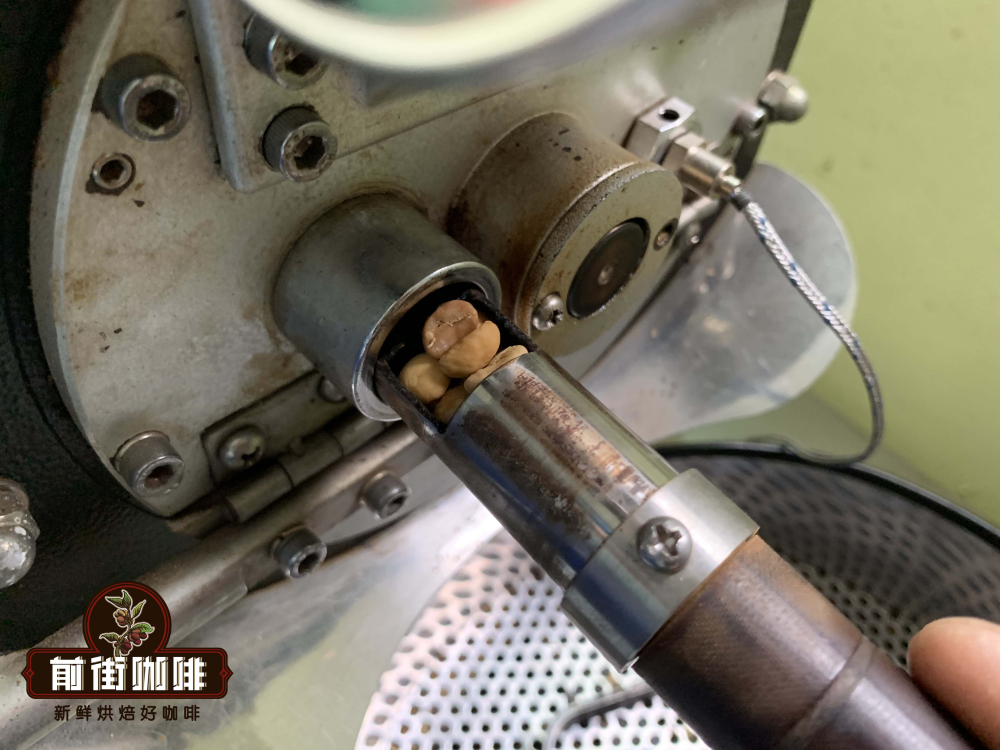
Medium roast, also known as medium roast, is typically dropped after the first crack ends and before the second crack begins. At this point, the coffee beans have undergone a certain degree of caramelization and Maillard reactions. Acidity is still present but no longer dominates, instead achieving a more balanced state with sweetness and bitterness. The overall flavor is rounder, with enhanced sweetness, making it suitable for consumers seeking balanced taste and widely used in both pour over and blended beans.
Flavor characteristics: The beans are close to chestnut in color, with a balanced taste, slight acidity, and moderate bitterness. Aromas are clear without being overly assertive, showcasing the original traits of the coffee beans.
Recommended beans: Bird of Paradise Coffee (showcasing a blend of nuts, cocoa, cream chocolate, and citrus), Yunnan Small-Leaf Typica (with aromas of brown sugar, chocolate, and nuts).
Medium-dark roast, also known as city roast, is typically dropped after the first crack and before the second crack. It represents a further deepening of the flavor profile. At this stage, the proportion of acidity decreases, while sweetness and caramel notes become more pronounced, resulting in an overall balanced taste of acidity, bitterness, and sweetness. This is the most common roast level for most espresso beans. Such beans are not only suitable for making espresso but also work well for pour over, offering a wide range of uses.
Flavor characteristics: The beans display a uniform brown color, with reduced acidity, prominent caramel aromas, and a harmonious balance of sweetness and bitterness. Suitable as a base for Americano, latte, and others, it’s also a favorite among many coffee enthusiasts.
Recommended beans: Queen’s Estate Coffee (with aromas of roasted peanuts, cream, and cane sugar), Hui Lan Coffee (showcasing layers of dark chocolate, cocoa, and roasted nuts), Classic Italian Blend Coffee (rich in crema, with almond, cocoa, and milk chocolate tonalities), Premium Italian Blend Coffee (full-bodied, balancing nuts, toffee, and dark chocolate).
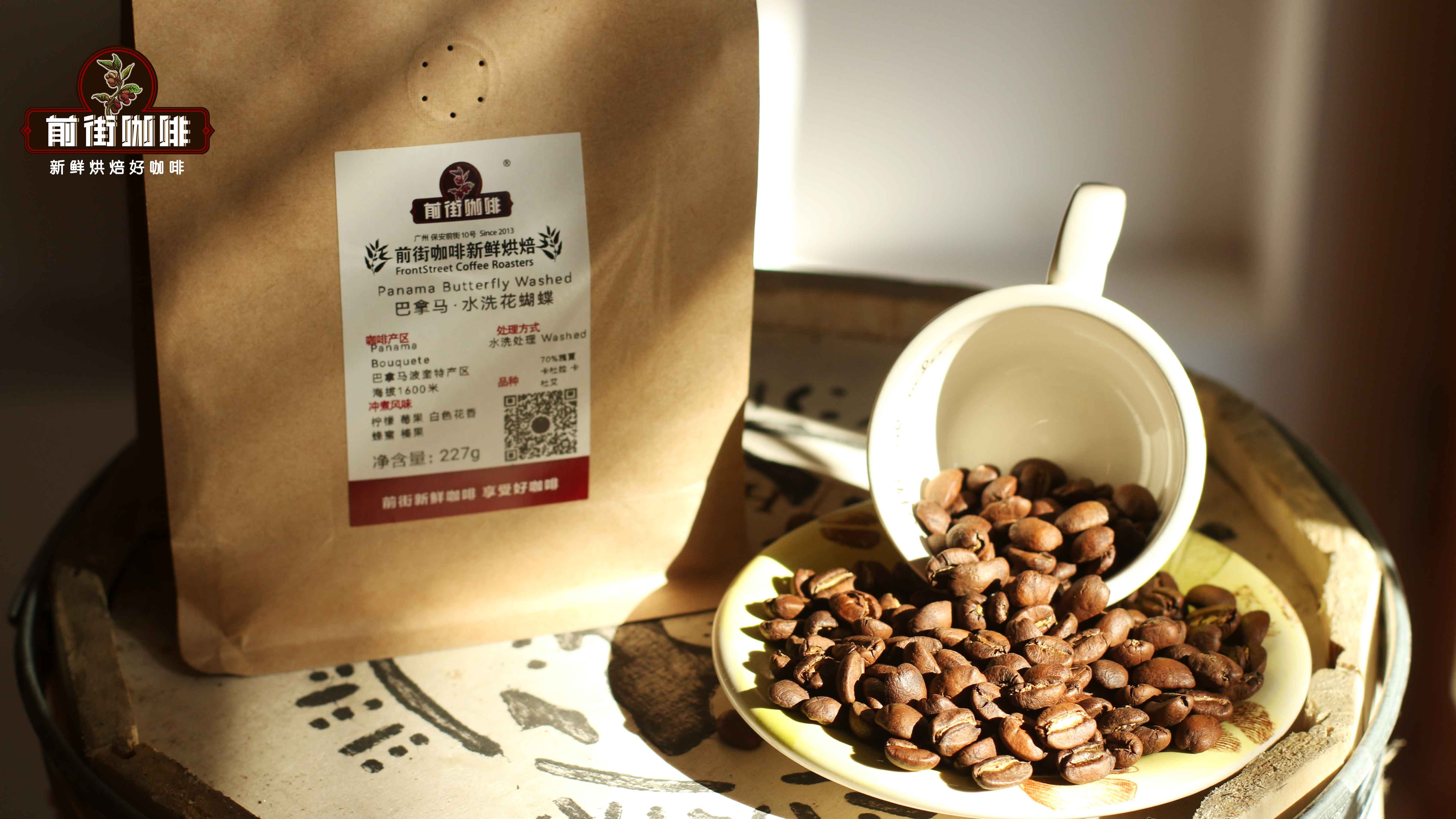
Dark roast, also known as Italian roast or espresso roast, is typically dropped after the second crack. At this stage, the beans have undergone intense caramelization, resulting in strong aromas of caramel, chocolate, and nuts. Acidity is almost entirely masked, and the taste is bold and full-bodied, making it a classic choice for espresso, especially well-suited for making concentrated espresso.
Flavor characteristics: The beans appear deep black, with a bold and complex taste, noticeable bitterness, and strong roasting and caramelized aromas. This type of roast is extremely popular in Italy and represents traditional espresso.
Recommended beans: Commercial Italian Blend Coffee (showcasing layers of nuts, spices, caramel, and rich crema).
The above content is compiled by CoffeeHunters, a coffee news website.


