







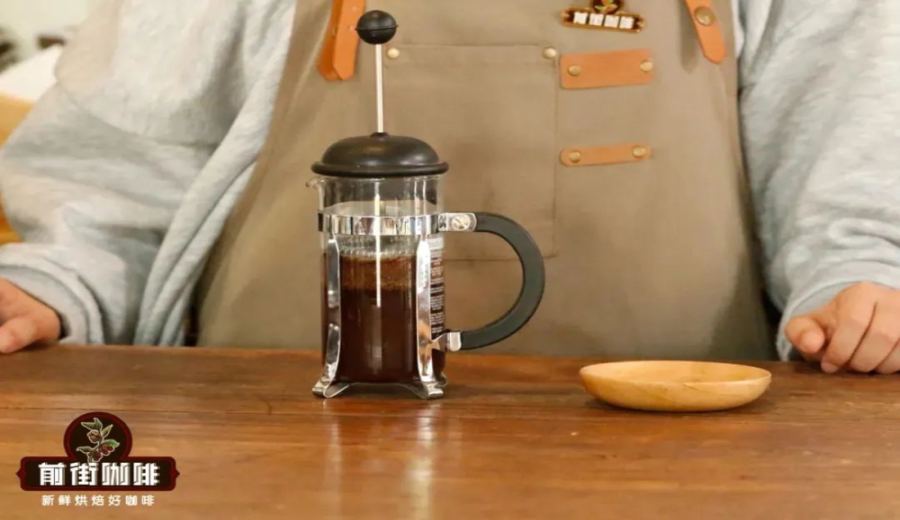
Introduction:The French press is the go-to brewing method for many coffee beginners due to its simplicity and minimal technique requirements. However, overlooking key parameters such as grind size, water temperature, steeping time, and coffee-to-water ratio can easily result in a bitter and astringent cup. This article delves into the four core elements of French press brewing, offers practical advice for different roast levels, and shares cleaning and maintenance tips to help you craft professional-quality coffee with this “lazy brewer.”
The French press (French Press) is one of the most intuitive manual brewing tools—no need for precise pouring techniques or managing complex variables—making it a popular choice for busy individuals or those new to manual coffee brewing. Yet, despite its seemingly straightforward operation, neglecting details such as incorrect grind size, improper water temperature, or steeping times that are too long or too short can easily lead to imbalanced flavors, resulting in over-extracted bitterness or under-extracted thinness.
This article will guide you through four key aspects—grind size, steeping time, water temperature, and coffee-to-water ratio—to help you master how to brew balanced and layered coffee with a French press. It also provides specific parameter recommendations for both medium-light and medium-dark roasted beans, along with reminders on daily cleaning and maintenance, ensuring this “lazy brewer” can deliver professional-level performance.
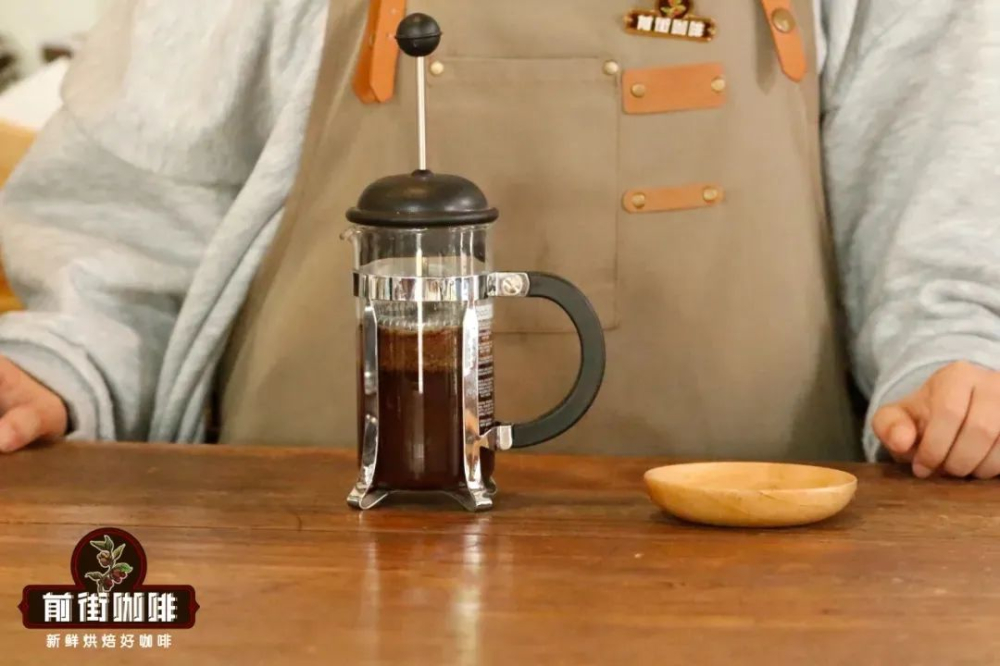
The popularity of the French press lies in its extremely low learning curve. Unlike pour over, which requires careful control of pouring techniques and flow rate, or the need to adjust multiple variables, mastering just a few core factors allows you to consistently brew coffee with uniform flavor. This simplicity paired with depth of flavor makes the French press an indispensable tool in the homes of many coffee enthusiasts to this day.
The basic structure of a French press is quite simple, consisting mainly of a heat-resistant glass or metal cylindrical container and a plunger equipped with a metal filter. After hot water and coffee grounds are steeped together for a period of time, simply slowly pressing down the plunger effectively filters out the coffee grounds, leaving behind pure coffee liquid. Although the operation is intuitive, many users still report that their brewed coffee is either too bitter or lacks aroma, often due to insufficient attention to detail.
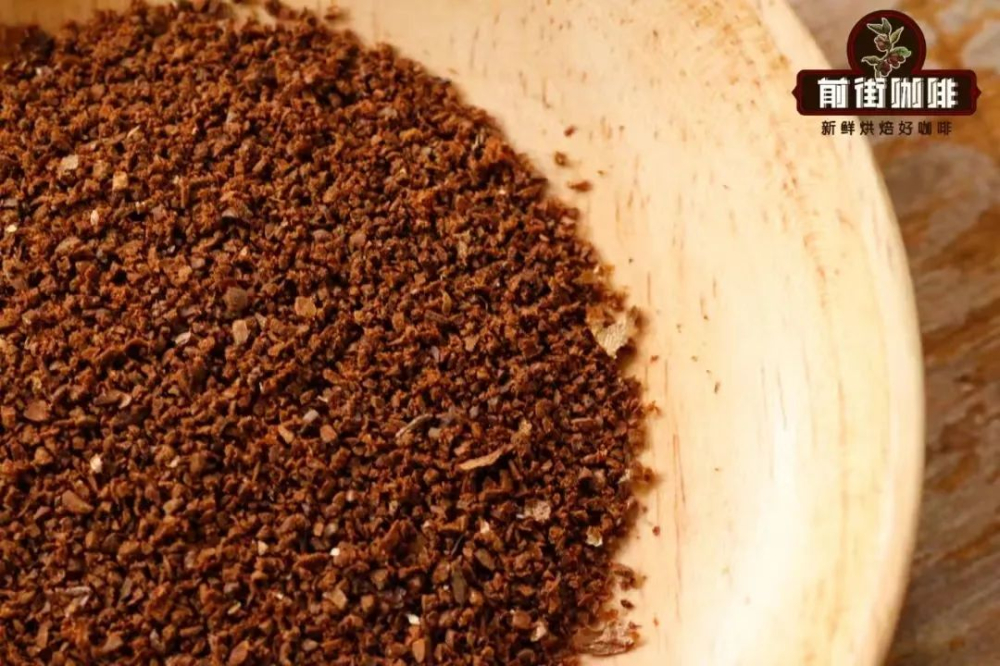
Regarding grind size, it is generally recommended to usea coarse grind—specifically, with a 20-mesh Chinese standard sieve as the benchmark, the sieving rate is about70%(details not provided), similar in size to coarse sugar granules. The advantage of this coarseness is that it reduces the risk of over-extraction while preventing too many fine particles from passing through the metal filter, which can make the coffee murky. The filter mesh of a French press typically ranges between80 to 300 microns, which is large enough to let fine particles through. Therefore, if you prefer a finer mouthfeel, you can try a slightly finer grind, but be sure toshorten the steeping timeto avoid over-extraction.
Steeping time is one of the most flexible parameters in French press brewing. Without manual stirring, steeping time directly affects extraction yield and flavor expression. Generally speaking,medium-light roasted coffee beans are recommended to steep for about 4 minutes, which can fully highlight fruity acidity and aromatic layers; whereasmedium-dark roasted beans, due to their inherently richer flavors, are advised to steep for only 3 minutes and 30 secondsto avoid excessive release of bitterness, woody notes, or astringency. This time range helps achieve a balance of acidity, sweetness, and bitterness while minimizing off-flavors.
Water temperature is also a critical factor affecting extraction. Since the French press involves a single infusion and static brewing, water temperature naturally decreases over time, so it is recommended to start with a slightly higher temperature than typical pour over. Formedium-light roasted, bright-acid coffee, a water temperature of 92–94°C is suggested; whereas formedium-dark roasted, more bitter beans, it is recommended to lower the temperature to 89–90°Cto reduce the risk of over-extraction. In colder environments such as autumn and winter, preheating the press with hot water can help maintain a stable brewing temperature.
When it comes to controlling concentration, the most common coffee-to-water ratio is1:16(details not provided)—for example, using 15 grams of coffee grounds with 240 milliliters of water. This ratio typically yields coffee with a concentration of about1.1%–1.2%, offering a refreshing taste with distinct layers. If you prefer a stronger flavor, you can adjust to1:15(details not provided), tweaking according to personal taste preferences.
Many people also wonder when selecting coffee beans whether they are suitable for French press brewing. In fact, the French press works well with most coffee beans suitable for pour over, and because of its static infusion method, it can better highlight the rich, full-bodied flavors of medium-dark roasted beans, as well as the thick texture brought by oils. If you enjoy fruity and floral profiles with vibrant berry or citrus notes, you can choose beans with those flavor characteristics; if you prefer nutty, caramel-like rich flavors, medium-dark roasted beans usually showcase these traits even better.
Finally, don’t forget about the daily cleaning and maintenance of your French press. The metal filter and plunger are prone to residual coffee oils, and if not cleaned promptly, oxidized oils can not only affect the flavor of future brews but may also produce unpleasant odors. It is recommended to disassemble the filter, plunger, and press body after each use, clean them thoroughly with a neutral detergent, and ensure they are completely dry before storage to maintain optimal brewing condition.
The above content is compiled by CoffeeHunters, a coffee news website.


