







Introduction:Sumatran Mandheling and Ethiopian Huila Guji Hambella (commonly referred to as "Huakui" or "Flower Queen") showcase the ultimate contrast between intense richness and refreshing fruity notes. This article delves into their origin environments, processing methods, roasting recommendations, and pour over parameters, guiding you through the key differences from wet-hulling to natural processing. With detailed flavor descriptions and practical brewing advice, discover the coffee that best suits your palate.
Indonesian Sumatran Mandheling and Ethiopian Guji Hambella Huakui are two extreme representatives in the global coffee flavor spectrum: one known for its bold, heavy body, the other for its bright fruity and floral notes. To truly understand the differences between these two classic coffees, it’s essential to analyze their origin backgrounds, variety characteristics, processing methods, roasting, and extraction strategies in detail.
Mandheling has long been regarded as the “bold flavor” representative in the coffee world, known for its rich mouthfeel, full body, and deep notes of chocolate and caramel. In contrast, Huakui coffee comes from Ethiopia’s high-altitude regions, exhibiting bright layers of tropical fruits, flowers, and honey—like a meticulously crafted fruit-floral tea—with vibrant acidity and distinct layers. These two coffees offer completely different sensory experiences from aroma to taste.
Sumatran Mandheling: Wet-Hulling Creates a Bold Foundation
The story of Mandheling dates back to the 17th century when the Dutch introduced Arabica coffee to the Indonesian archipelago. However, the widespread rust disease outbreak in 1877 forced local farmers to abandon Arabica in favor of more disease-resistant Robusta. Even so, some high-altitude Arabica varieties—what we now know as Mandheling—are still grown in small quantities in regions like Lintong and Aceh in Sumatra.
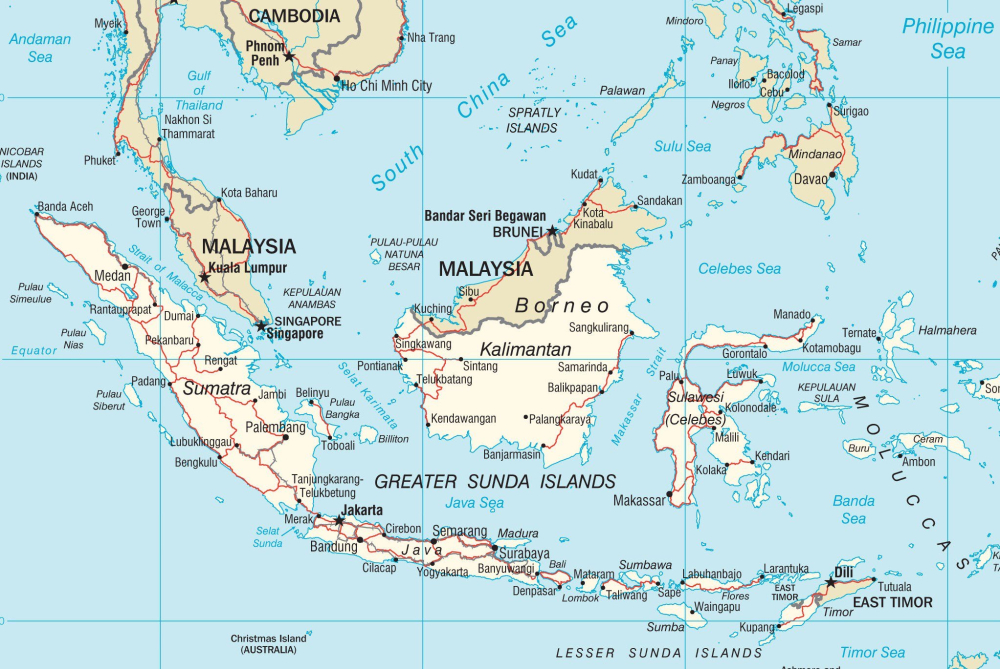
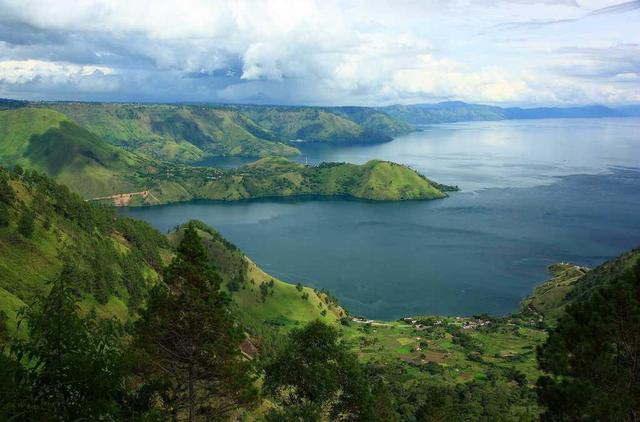
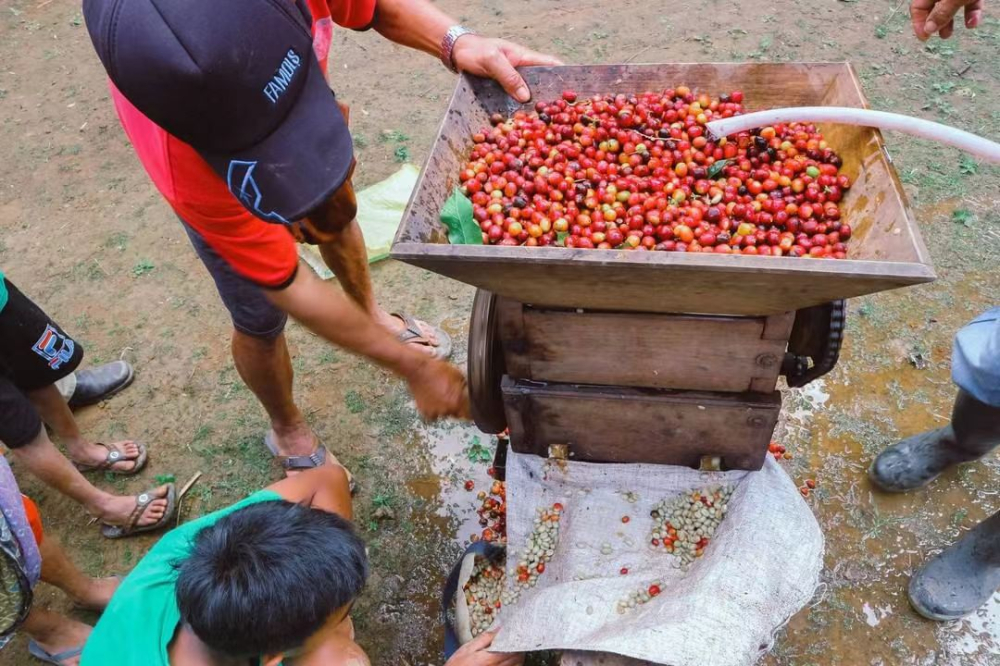
Lintong Mandheling is produced in the mountainous areas near Lake Toba in north-central Sumatra and is often an entry point for many coffee beginners exploring Mandheling. This region employs the unique "wet-hulling" method (Giling Basah), where partial hulling is done before the beans are fully dried, reducing moisture content to 30%-50% during sun drying. This significantly shortens the drying time and creates its signature low acidity, full body, and bold character. This process not only adapts to Sumatra’s humid and rainy climate but also gives Mandheling its rich herbal, dark chocolate, and caramel aromas.
It’s worth noting that due to manual sorting and factors like terrain and climate, quality control can be relatively challenging, so it’s recommended to choose reputable brands or roasters to ensure consistent flavor. Additionally, Mandheling is usually roasted to a medium-dark level to bring out complex notes of nuts, pine, and spices.
Ethiopian Huakui: Natural Processing Unleashes Fruity Florals
The name "Huakui" (or Flower Queen) originates from the 2017 Ethiopian TOH (Taste of Harvest) green coffee competition, where a natural-processed coffee from the Buku Abel washing station in the Hambella sub-region of Guji, grown at high altitude, won the natural category with its intense strawberry cream aroma and high quality. Since then, the name "Huakui" has become widely recognized.
This coffee is grown at an altitude of about 2,300 meters, where significant day-night temperature variations allow the coffee cherries to ripen slowly, accumulating rich flavor compounds. Processed using a full red cherry natural method, it undergoes over 21 days of careful sun drying with multiple rounds of manual sorting and rain protection, resulting in its distinctive bright fruit notes such as passionfruit, strawberry, jackfruit, and honey, along with a soft fermented wine-like aroma. The cup offers a rich layered taste and a long, lingering finish.
It’s important to note that not all coffee from the Guji Hambella region can be called Huakui—only those from specific washing stations meeting certain quality standards and processed as natural lots deserve this title. Furthermore, Huakui coffee beans mostly belong to Ethiopia’s native Heirloom varieties, which are diverse and not commercially classified, contributing to their highly variable and unique flavor profiles.
Key Differences in Processing Methods and Flavors
Mandheling’s wet-hulling method involves removing part of the parchment after water washing to remove the mucilage, then hulling the outer shell early while the beans are still at higher moisture levels. This leads to faster drying under higher humidity, resulting in low acidity and a bold, full-bodied profile. In contrast, Huakui uses full red cherry natural processing, where the cherries are spread in thin layers (2–3 layers) on African beds, turned manually daily, and protected from rain. This allows the sugars from the pulp and mucilage to fully penetrate the bean core, imparting sweet fruitiness and a rich mouthfeel.
These two processing methods not only reflect regional climate adaptation strategies but also directly influence the final extraction performance and flavor direction. Mandheling suits medium-dark roasting to highlight its nutty, spicy, and chocolatey tones, while Huakui is recommended for light roasting to preserve its delicate fruity floral aromas and vibrant acidity.
Extraction Parameters and Pour Over Recommendations
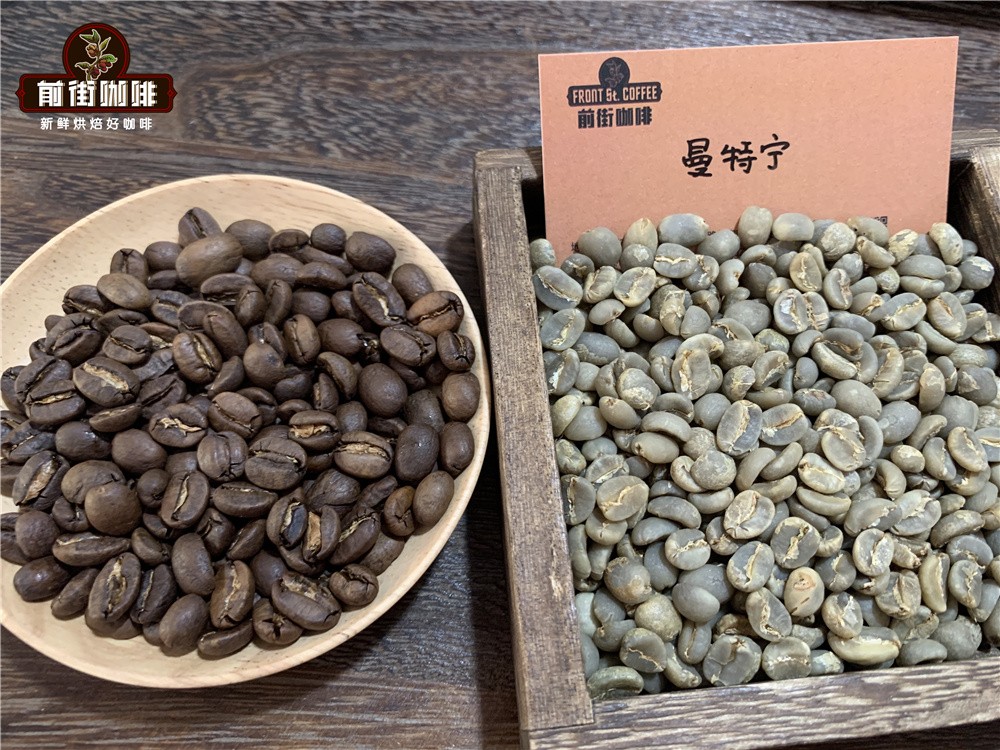
For brewing, Mandheling is recommended to be medium-dark roasted, paired with a KONO filter, at a water temperature of 88°C, a coffee-to-water ratio of 1:15, and a grind size of about 75% through a #20 sieve (medium-coarse). This enhances its full body and low acidity, highlighting layers of nuts, caramel, and herbs.
For Huakui, a light roast is recommended, paired with a V60 filter, at a water temperature of 90°C, a coffee-to-water ratio of 1:15, and a grind size of about 80% through a #20 sieve (medium-fine). This helps bring out its delicate fruity floral aromas and balanced acidity-sweetness, making the bright flavors of passionfruit, strawberry, and honey stand out even more.
Regardless of which you choose, it’s advisable to pay attention to the coffee’s resting period. Freshly roasted beans are at their flavor peak 4–7 days after roasting. If you prefer grinding just before brewing, storing whole beans preserves aroma and freshness best. If using pre-ground coffee, it’s best to use it as soon as possible to avoid oxidation affecting the flavor.
In summary, Mandheling and Huakui represent two extreme forms of richness and fruitiness in the coffee world. Understanding their origin backgrounds, processing methods, and extraction details not only helps you find your preferred choice but also allows you to appreciate the terroir stories and craftsmanship behind each cup more deeply.
The above content is compiled by CoffeeHunters, a coffee news website.


