







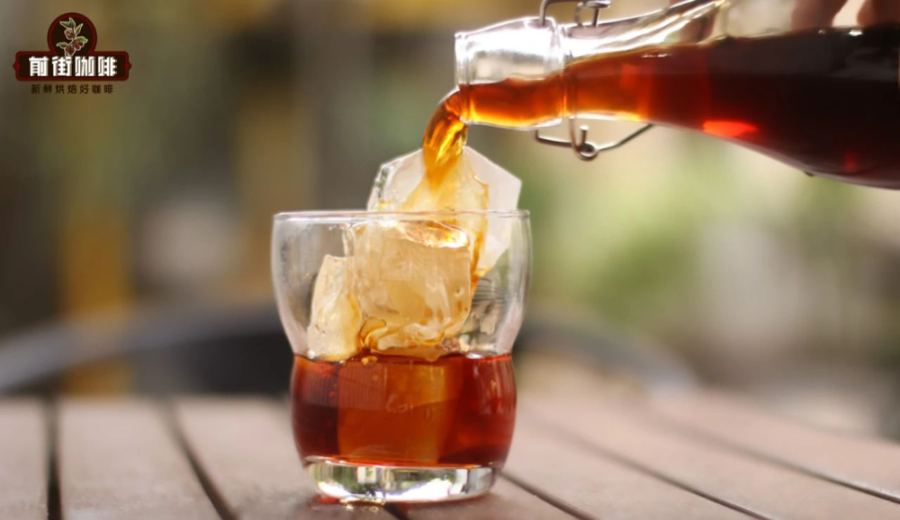
Introduction:Cold brew coffee, with its low acidity, refreshing taste, and no need for specialized equipment, has become the go-to home brewing method for an increasing number of coffee enthusiasts. This article delves into the acidity characteristics and caffeine content of cold brew, and provides a detailed guide—from bean selection, grinding, coffee-to-water ratio to refrigeration and filtration. With practical bean examples, you’ll easily master professional-level cold brew techniques.
Thanks to its simple brewing process and uniquely refreshing taste, cold brew coffee has gradually gained popularity among coffee lovers worldwide. It requires neither expensive equipment nor complex skills—just a long steeping time to extract the essence of the coffee. Moreover, cold brew also has its own distinct advantages in terms of acidity control, caffeine release, and overall flavor profile.
First, let’s address the “acidity” issue that many people care about. Compared to traditional hot brewing or pour over methods, cold brew is done in a low-temperature environment, where those small molecules that easily release acidity and volatile aromas are less likely to dissolve. As a result, the overall acidity is significantly reduced. This makes cold brew coffee taste smoother and less irritating, ideal for those who dislike sharp acidic notes.
As for caffeine content, cold brew is not necessarily lower than hot brew. Due to the long steeping time—often several hours, sometimes even exceeding 12 hours—caffeine has more ample time to be released from the coffee grounds. According to actual measurements, using 20 grams of coffee grounds to brew 200 milliliters of cold brew yields approximately 140 milligrams of caffeine, which can be nearly 2 to 3 times that of regular hot brew, helping to provide a stable energy boost.
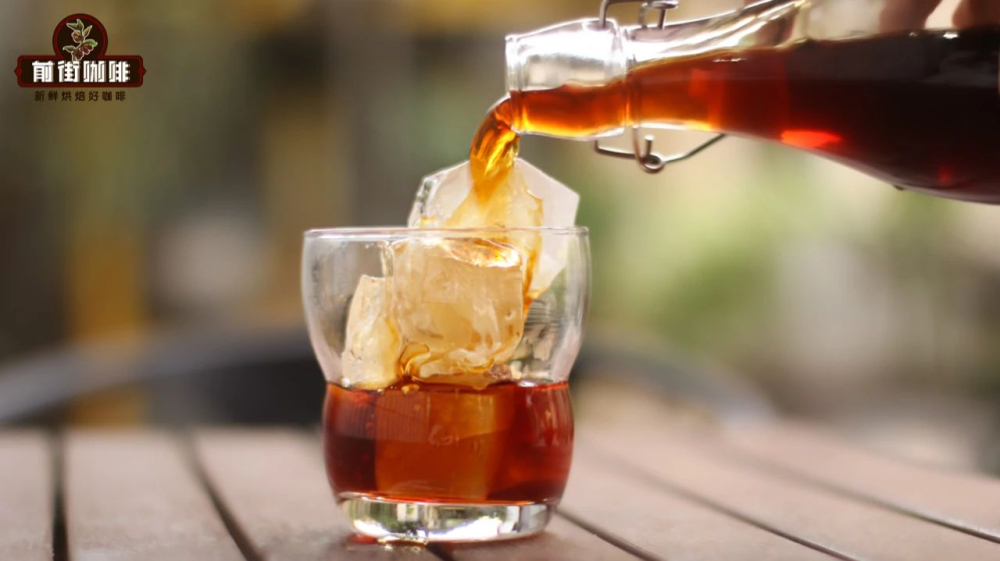
Next, let’s take a closer look at the actual cold brew process. Starting with bean selection, different roast levels will directly influence the final flavor profile. If you prefer a refreshing, juice-like taste, it’s recommended to choose light-roasted beans, such as common African varieties, which often exhibit pronounced berry and citrus notes. For a richer and more layered flavor, medium-dark or dark roasts are also great options, typically offering a base of chocolate, nuts, and caramel.
Taking a practical example, this time we used a highly popular cold brew-specific bean, with a coffee dosage of 80 grams, ground to a medium-fine consistency, close to the fineness of sugar. After sieving through a No. 20 sieve, the extraction rate was about 85%. This grind size ensures effective flavor extraction during the long steeping period, without over-extraction that could lead to bitterness.
For the coffee-to-water ratio, it’s recommended to use a 1:10 proportion, meaning 1 gram of coffee grounds to 10 milliliters of water. For 80 grams of coffee, the total water volume is 800 milliliters, and room-temperature water is sufficient. Place the coffee grounds into a sealable container, then slowly pour in the water and gently stir to ensure the grounds are evenly saturated—a crucial step for balanced flavor later on.
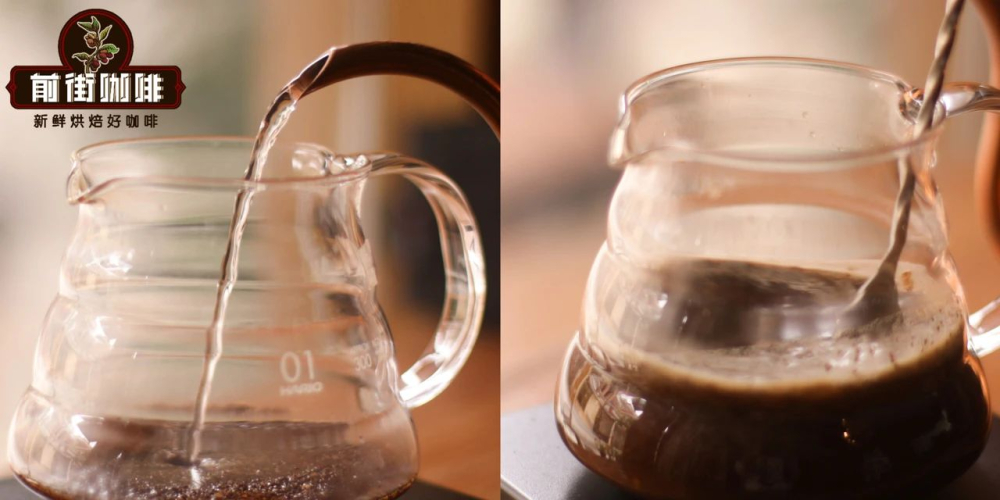
After stirring, seal the container and place it in the refrigerator for steeping. A recommended duration is 12 hours. This time frame allows the soluble compounds in the coffee to fully release while avoiding over-extraction that could result in excessive bitterness or off-flavors. Once steeping is complete, use filter paper or a filter cloth to thoroughly separate the coffee grounds, and you’re ready to enjoy a clear, low-acid, and caffeine-rich cold brew.
During the cold brew process, there are also some tips that can further enhance the flavor. For instance, it’s advisable to maintain the refrigerator temperature around 4°C to avoid unnecessary off-flavors caused by temperature fluctuations. Additionally, if you desire a richer taste, you can try adding a small amount of milk or plant-based milk to create your own personalized cold brew variation.
In summary, cold brew coffee is a low-barrier, highly flexible brewing method that not only showcases the layered characteristics of the coffee itself but also achieves a good balance between acidity and caffeine. By mastering bean selection, grind size, coffee-to-water ratio, and steeping time, you can easily brew professional-grade cold brew at home and enjoy a worry-free coffee moment.
The above content is compiled by CoffeeHunters, a coffee news website.


