








Introduction:To enjoy an ice-cold, smooth cup of coffee without sacrificing flavor, the key lies not only in selecting the right beans but also in precisely controlling the amount of ice used. This guide delves into the logic of adding ice across various brewing methods such as espresso, pour over, and cold brew. From flavor preservation and cooling efficiency to concentration balance, it provides practical parameters and adjustment tips. Using common coffee beans as examples, it teaches you how to craft an iced coffee with your own signature style.
As summer arrives, iced coffee becomes a top choice for many coffee enthusiasts. However, brewing a cup that is both refreshing and retains full flavor hinges significantly on how ice is used. Ice not only rapidly lowers the temperature of the coffee but also helps delay aroma loss and keeps the drink cool for longer. That said, the demand for ice varies greatly among different brewing methods—espresso, pour over, or cold brew. This article starts with the function and selection of ice, explores the ideal ice ratios for various brewing techniques in depth, and uses real coffee bean examples to help you adjust your iced coffee for optimal balance of concentration and flavor.

One of the most common challenges people face when making iced coffee at home is “how much ice should I use?” While there are plenty of online tutorials with clear and easy-to-follow steps, achieving the ideal taste still requires flexible adjustments based on the type of coffee beans, brewing method, and personal preference. Ice plays three major roles in coffee: rapid cooling, slowing aroma evaporation, and delaying the warming process. Whether these functions are effectively fulfilled depends not just on the amount of ice, but also closely on the quality of the ice itself.
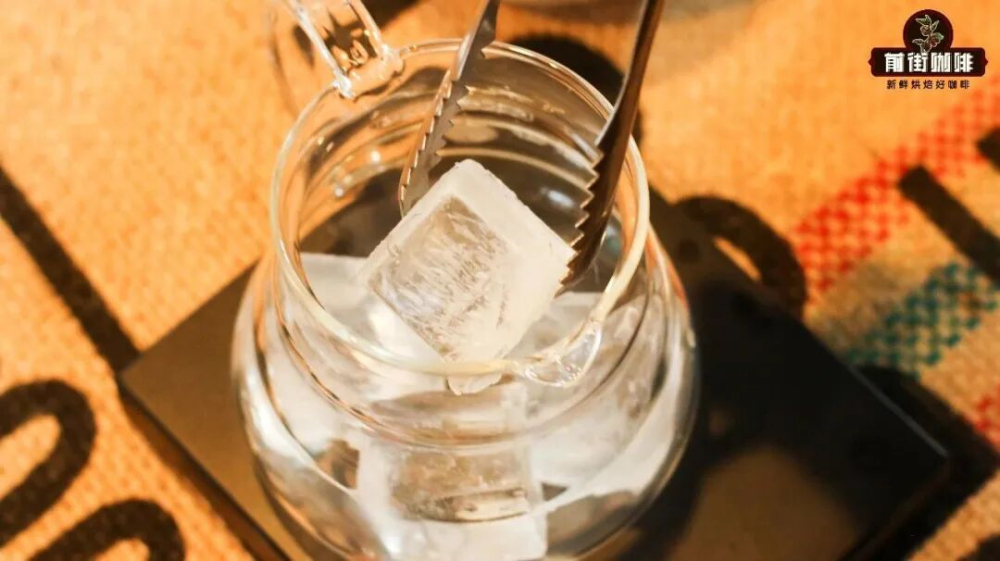
The most common ice cube trays found in households are typically spherical or square-shaped, producing solid ice cubes through static freezing. Given the same shape, the larger the volume of the ice cube, the slower it melts, helping maintain a low temperature for a longer time. Additionally, if you can perform a second freeze, the hardness of the ice will be further enhanced, resulting in better cooling performance when added to coffee. If you often make iced coffee, it's recommended to use larger ice trays or switch to large spherical molds to produce firmer ice cubes. If you only have small ice cubes on hand, you can also take them out in advance and refrigerate them in a sealed container to help increase their hardness.
Below, we’ll provide specific ice addition recommendations and parameter adjustment directions tailored to different brewing types.
Espresso with Ice Recommendations
For espresso-based iced drinks such as iced americano or iced latte, the flavor primarily comes from the espresso itself, while the main roles of ice are cooling and maintaining a cool sensation. Since these beverages usually have a larger serving size and may be sipped slowly, the ice should not only be used in sufficient quantity but also consist of high-quality cubes that melt slowly.
For example, when using a medium-dark roasted espresso blend—such as a well-known brand’s classic blend, which is known for its rich crema and bold flavors of roasted hazelnuts, dark chocolate, and maple syrup, delivering a full-bodied and robust profile—when making an iced americano, it’s recommended to use 20 grams of coffee grounds to extract 40 grams of coffee liquid, with an extraction time controlled between 25–30 seconds, then add 120 milliliters of water and 100 grams of ice. In this case, the weight of the ice is about 2.5 times that of the coffee liquid, and it is advised to choose large, hard ice cubes. When making an iced latte, you can add 150 milliliters of chilled fresh milk and 80 grams of ice, with the ice weighing twice as much as the coffee liquid.
Conversely, if using a medium-roasted coffee bean with bright fruity acidity—such as a well-known brand’s Gran Gala Geisha Single Origin Espresso (SOE), which features flavors of honey, lemon, nectarine, and blueberry, with thinner crema and a refreshing mouthfeel—the ice amount should be reduced to highlight its fresh character. For instance, when making an iced americano, extract the same 40 grams of coffee liquid but only add 100 milliliters of water and 80 grams of ice(twice the weight of the coffee liquid); if making an iced latte, it’s suggested to use 120 milliliters of fresh milk and 60 grams of ice(1.5 times the weight of the coffee liquid).
Pour Over Iced Coffee Strategy
The key to iced pour over coffee is using ice to rapidly cool the coffee while simultaneously diluting it to an appropriate concentration. This method requires precise control over the ratio of hot water to ice to achieve a balance between flavor and cool drinking experience.
If using a medium-light roasted coffee with prominent floral and fruity notes—such as a well-known brand’s Fruit Ding Ding—it’s recommended to use 15 grams of coffee grounds with a total water pour of 170 milliliters, extracting over approximately 2 minutes, then add 60 grams of ice(about four times the weight of the coffee grounds). This recipe fully highlights the sweet middle notes, making the overall flavor richer and more satisfying.
If choosing a dark roasted bean—such as a well-known brand’s Queen Estate or Huilan—then it’s best to emphasize caramelized flavors while avoiding excessive bitterness in the aftertaste. In this case, adjust to 15 grams of coffee grounds with 150 milliliters of hot water and 75 grams of ice, where the ice weighs five times the amount of the coffee grounds, helping to enhance the front-end flavors while reducing the release of unwanted flavors later on.
Ice Application for Cold Brew and Ice Drip Coffee
Cold brew and ice drip coffee are extracted at low temperatures throughout the process, so the coffee liquid is already cool by nature and typically doesn’t require additional cooling. However, to maintain an even better ice-chilled mouthfeel, a small amount of large ice cubes can be added during serving. For example, for a cup of about 180–200 milliliters of cold brew or ice drip coffee, it’s suggested to add 30 grams of large ice cubes. This ratio, roughly six times the weight of the coffee liquid, extends the cool sensation without overly diluting the flavor.
The above content is compiled by CoffeeHunters, a coffee news website.


