







Introduction:Yirgacheffe is one of Ethiopia’s most iconic specialty coffee regions, renowned for its bright acidity, captivating floral notes, and sweet undertones. This article delves into the region’s geography, processing method variations, varietal characteristics, and pour over parameters, while also comparing Yirgacheffe with other well-known beans such as Sidamo’s Huakui, helping you discover your own Yirgacheffe flavor experience.
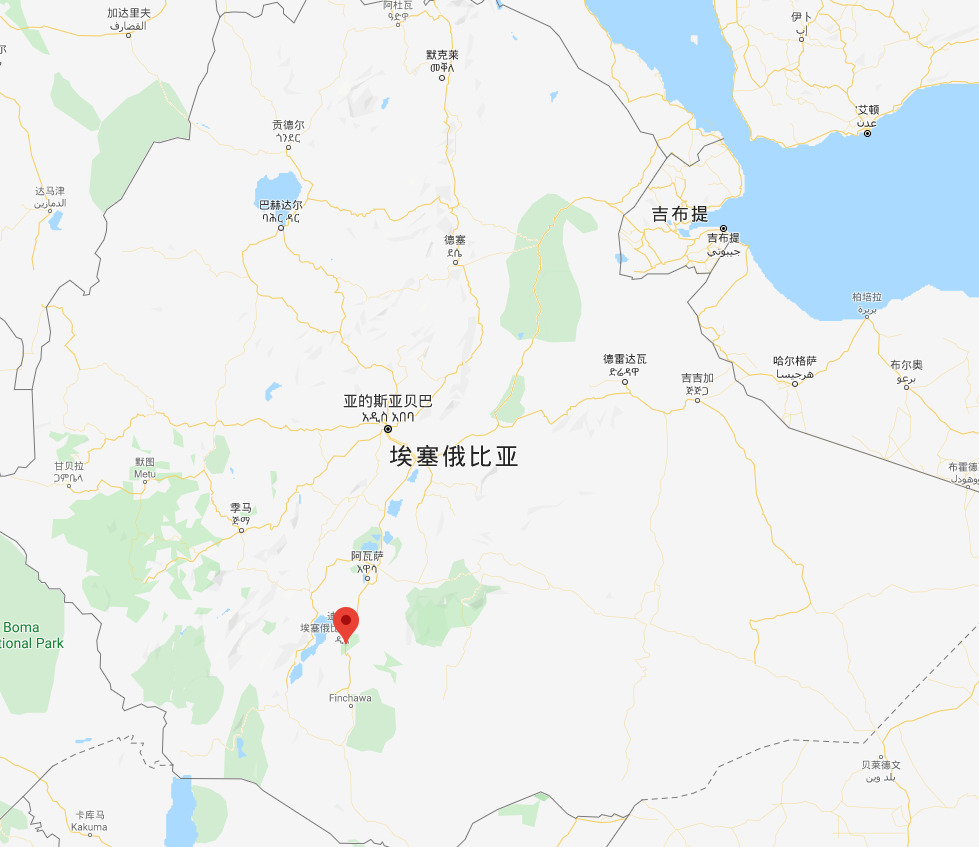
Yirgacheffe is located within Ethiopia’s Sidamo region and is considered one of the dream destinations for global specialty coffee enthusiasts. Nestled at elevations between 1,700 and 2,200 meters above sea level, this highland area not only produces distinctive citrus and floral flavor profiles but is also famed for its refined washed and natural processing styles. This article will comprehensively break down the sources of Yirgacheffe’s charm — from regional background, cooperative systems, processing techniques, varietal features, to specific grind size and water temperature parameters for pour over brewing.
Although Yirgacheffe town belongs to the larger Sidamo region, its coffee has long carved out a unique identity in the market, earning independent origin certification. The coffee here is mostly grown by smallholder farmers, each with limited production. After harvest, the cherries are typically delivered to local cooperative processing facilities for unified processing, then exported under the cooperatives’ names. The Yirgacheffe Coffee Farmers Cooperative Union (YCFCU) is the main organization in the area, comprising 23 cooperatives that include over 40,000 coffee farmers, with notable ones being Konga, Wolkite, and Guddina. These farmers are not bound by the Ethiopia Commodity Exchange (ECX), allowing them to retain better bargaining power for higher-quality beans, as well as access additional benefits from Fair Trade and organic certifications.
In addition to YCFCU, some farmers are also part of the Oromia Coffee Farmers Cooperative Union (OCFCU), which primarily serves small-scale growers in the Oromia region. Through centralized processing, strict selection, and marketing efforts, the union not only improves operational efficiency but also helps maintain Ethiopia’s international coffee reputation, while ensuring stable income for farmers through installment payments.
The allure of Yirgacheffe coffee is inseparable from its growing environment. The high altitude brings significant day-night temperature variations, slowing the ripening process of coffee cherries and encouraging the accumulation of more flavor compounds. This results in its distinctive bright fruit acidity and complex aromas. Typical flavor notes include refreshing citrus and lemon-like acidity paired with white floral tones like jasmine or orange blossom, along with honey-like sweet aftertastes. The overall profile is crisp and layered, making it a classic entry point for many new coffee drinkers to realize that “coffee isn’t just about bitterness.”
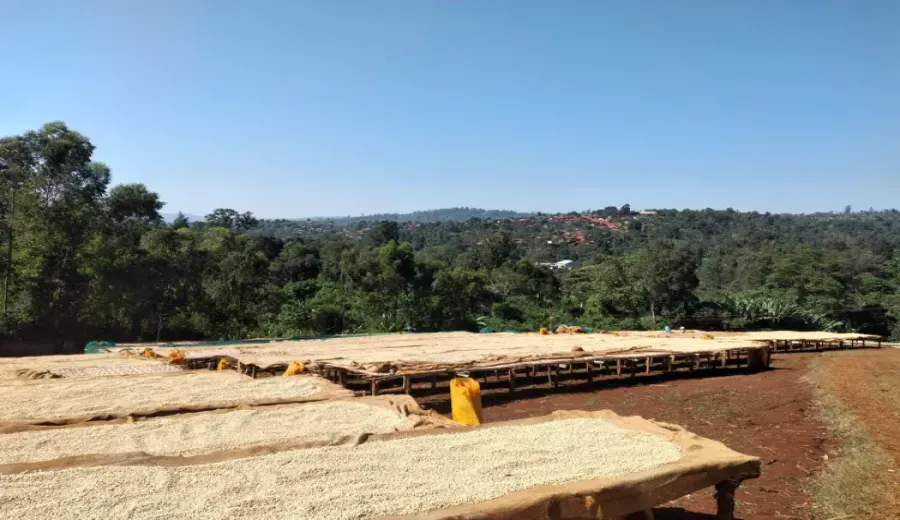
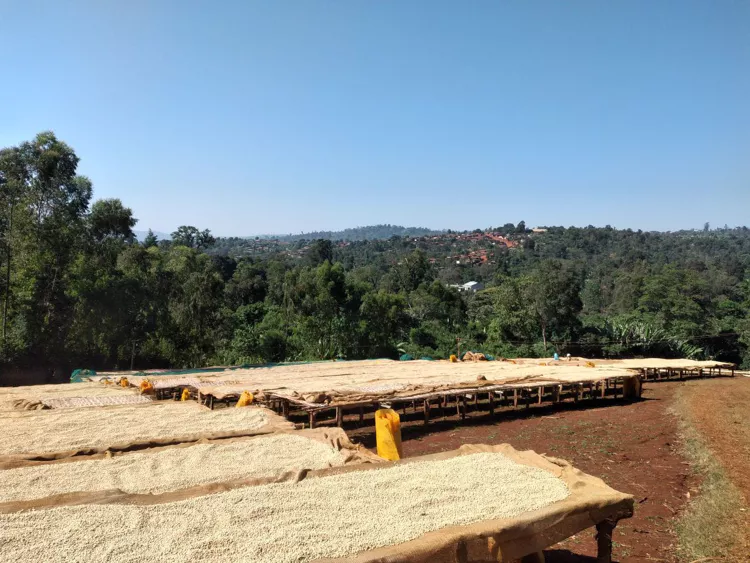
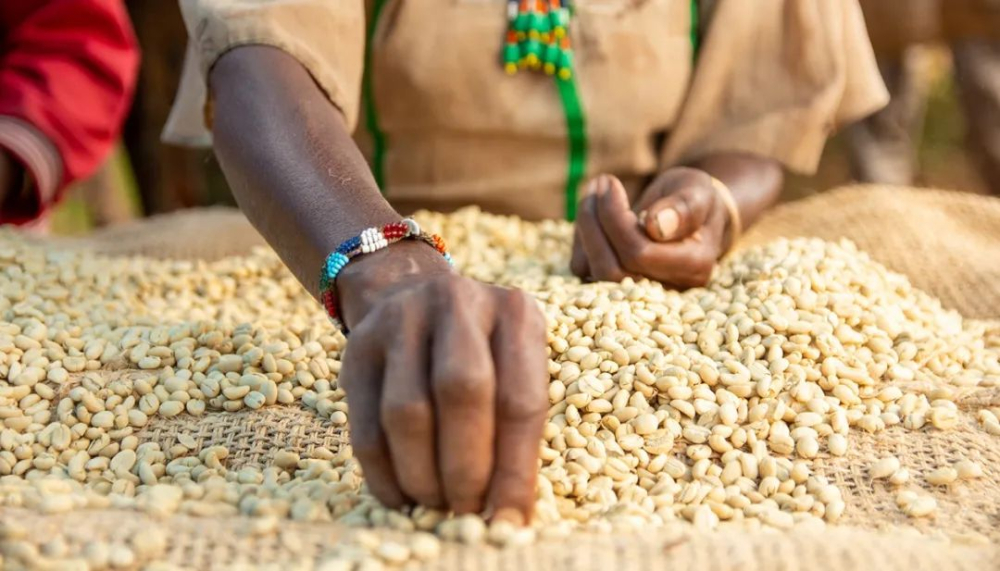
In terms of processing methods, Yirgacheffe most commonly features washed and natural (sun-dried) processes. The washed method involves first removing the coffee cherry’s skin and pulp, then fermenting the mucilage-covered seeds in water tanks for roughly 12 to 36 hours, depending on climatic conditions. After fermentation, the mucilage is washed off with water before sun drying. This method allows for precise quality control, with more consistent bean appearance, clean and defined acidity, and generally higher prices, making it the preferred choice for those seeking bright, clean flavors. Well-known roasters’ offerings labeled “washed Yirgacheffe” or “washed Guddina Cooperative” fall into this category.
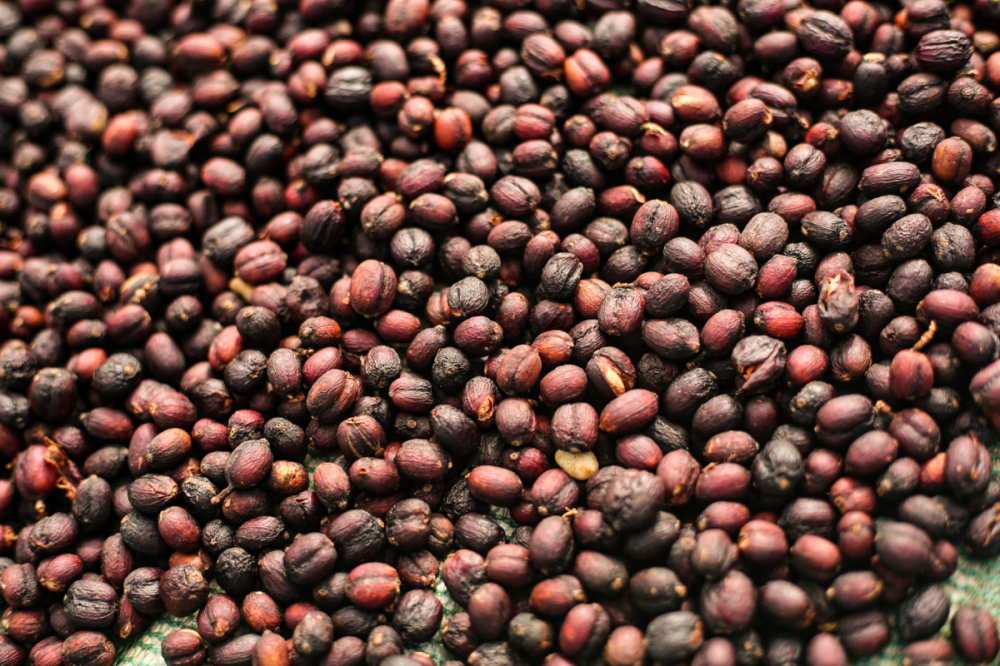
In contrast, the natural (sun-dried) process is more traditional, involving drying the entire coffee fruit in the sun, usually for 10 to 14 days depending on weather. This method is often used in regions with limited water resources or dry climates, and accounts for about 70% of Ethiopian coffee production. Sun-dried Yirgacheffe typically has lower acidity, more pronounced sweetness, and flavors that often include berries, wine-like notes, and rich tropical fruit tones. The mouthfeel is fuller and rounder, though overall cleanliness is slightly less pronounced than in washed versions. For example, “sun-dried red cherry” is representative of this style.
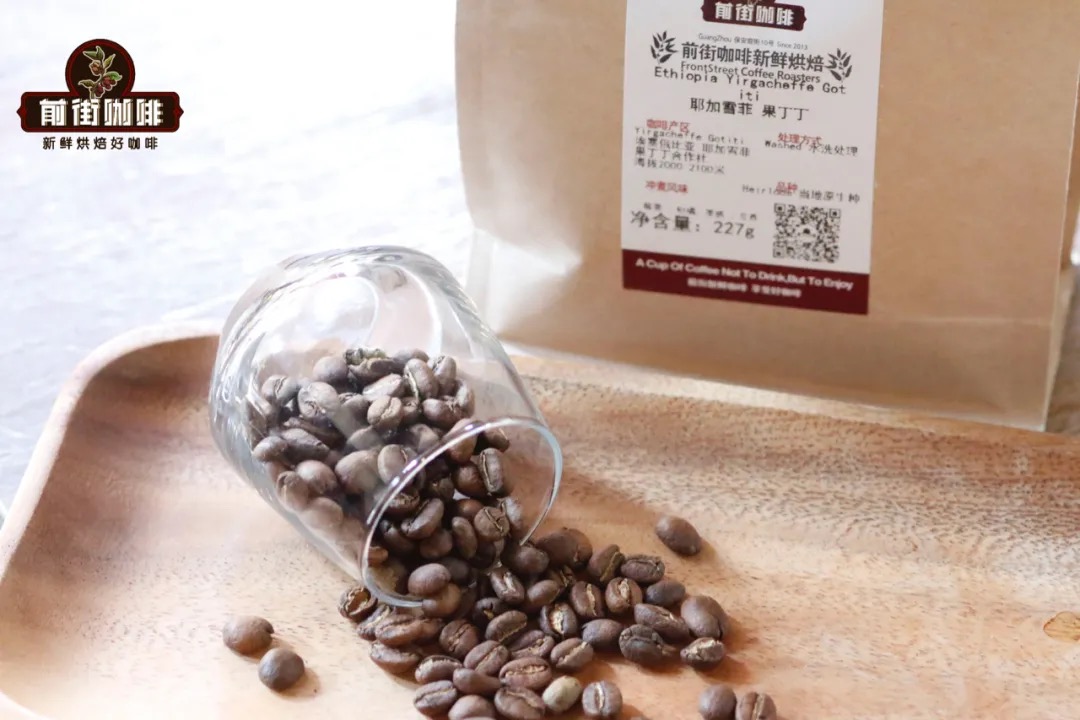
The coffee varieties in Yirgacheffe mostly belong to Ethiopia’s native Heirloom types. As the birthplace of coffee, the country has a wealth of wild or hybrid strains that have not been formally named. These varieties are often interplanted and collectively referred to as “Ethiopian Heirloom.” They exhibit unique citrus and lemon acidity, blended with jasmine and white floral notes, along with clear acidity and a clean taste, forming what is known as the “Yirgacheffe flavor profile.” In addition to Yirgacheffe town itself, surrounding areas such as Wenago, Gedeb, and Kochere — according to ECX standards — are also often categorized under the Yirgacheffe flavor classification.
To fully showcase Yirgacheffe’s delicate floral and fruity characteristics, it is recommended to use a medium-light roast paired with appropriate pour over extraction parameters. Since medium-light roasted beans are exposed to heat for a shorter time and have a lower expansion rate with firmer texture, a finer grind size and slightly higher water temperature are advised to facilitate flavor release. Commonly recommended parameters are as follows: using a Hario V60 filter cone, with water temperature controlled at 91~93°C,15 grams of coffee,a 1:15 coffee-to-water ratio,and a medium-fine grind (approximately 80% passing through a Chinese No. 20 sieve). A suggested pour over process is as follows: start with a 30-second bloom using30 grams of water, then pour water in small streams from the center outward in circles until reaching 120 grams for the first pour. Once the water level drops, continue pouring to 225 grams before stopping. Let the remaining water drip through the filter before removing it, keeping the total brew time around2 minutes. These parameters help highlight its bright fruit acidity and floral main notes, and as the temperature cools, berry, creamy, and even citrus-like aftertastes often emerge.
When talking about Yirgacheffe, many people often compare it with “Huakui” from the Sidamo region. Huakui coffee originates from the Hambela area of Sidamo and initially gained fame after being submitted by DW Company to the 2017 Ethiopia TOH competition, where it won the championship. This G1 grade coffee is sun-dried and produced at the Buku Abel processing station, located in Dimtu town’s core producing area. Due to surging market demand, DW subsequently expanded to multiple processing stations, including Buku Saysay and Haro Soresa, all situated in the same region, forming what is now commonly known as the “Huakui” series.
To differentiate products from different years, domestic traders began adding numerical suffixes starting in 2018 — for example, “Huakui 2.0” for 2018, “Huakui 3.0” for 2019, and so on. However, the new 2023 Huakui season returned to a simplified naming convention without year suffixes, though consumers can identify the batch through packaging or roaster information. This Huakui coffee is suitable not only for single-origin enjoyment but is also often used to make SOE (Single Origin Espresso). Whether paired with milk for a latte or directly extracted as espresso, it showcases rich fruitiness and a full-bodied texture.
The above content is compiled by CoffeeHunters, a coffee news website.


