







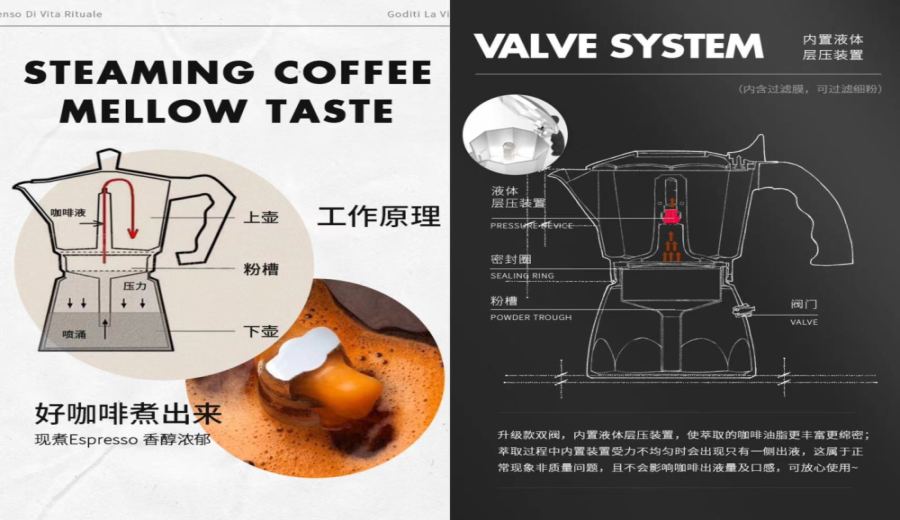
Introduction:The moka pot is a classic brewing device commonly found in the homes of many coffee enthusiasts, capable of producing rich coffee with simple operation. However, what’s the difference between single-valve and double-valve moka pots on the market? Which one is more suitable for beginners? This article provides an in-depth analysis of the structure, ease of use, and extraction performance of both types, along with practical usage steps and recommendations for dark roasted coffee beans to help you master the brewing techniques of the moka pot and enhance your home coffee experience.
At its inception, the moka pot had neither single-valve nor double-valve versions. This device, which quickly extracts coffee using steam pressure, quickly gained global popularity among households due to its simple operation and intense flavor. As coffee enthusiasts began to pursue greater detail in extraction and more nuanced flavors, the double-valve design gradually became a new favorite in the market. Whether you’re a beginner or already have some experience, understanding the differences between single-valve and double-valve moka pots will help you choose the one that best suits your needs and further improve your coffee quality.
The biggest difference between single-valve and double-valve moka pots lies in the structure of the spout. In a single-valve moka pot, the outflow port has no additional restrictions—when the pressure reaches a certain level, the coffee naturally flows out. In contrast, a double-valve moka pot is equipped with a pressure-enhancing valve at the spout, requiring higher pressure for the liquid to pass through. This results in coffee that is stronger and more full-bodied. However, due to the higher pressure requirement, the double-valve moka pot also demands stricter operational skill and parameter control from the user.
For those who are just starting out with a moka pot, it is recommended to opt for the single-valve version first. It offers a higher margin for error—if parameters are not finely adjusted, you can still successfully brew coffee with noticeable flavor, and it is relatively safer to use. Once you are familiar with the basic operation process, you can then try the double-valve moka pot to challenge more refined espresso-like flavors. If you want to save on budget, you might consider starting with a single-valve and upgrading your equipment later.
When using a single-valve moka pot, there are several key steps to pay special attention to: First, when adding water to the lower chamber, the water level should not exceed the pressure relief valve, which is usually located in the middle of the lower chamber, around the area similar to a screw cap. Second, the coffee grounds should be ground to an extremely fine consistency, but the particle size must still be able to pass smoothly through the holes in the filter basket to avoid clogging. Additionally, before heating, make sure the upper and lower chambers are tightly sealed to prevent steam leakage or insufficient pressure, which could affect the extraction. When you see the coffee begin to flow into the upper chamber, it is recommended to immediately turn off the heat and place the moka pot on a damp cloth to cool down quickly. This not only helps avoid over-extraction but also preserves more layers of aroma and taste.

Taking a 3 to 4-cup single-valve moka pot as an example, it is recommended to use about 20 grams of extremely fine ground coffee and fill with hot water up to the pressure relief valve. After filling the coffee, tightly assemble the upper and lower chambers, open the lid of the upper chamber, and then start heating. When the water boils and begins to extract steadily, quickly turn off the heat source. This helps control the extraction time and concentration while reducing the production of bitter flavors. After brewing, the coffee should be poured out and consumed as soon as possible to avoid residual heat causing over-extraction, which can affect the overall balance of flavors.
Since coffee brewed with a moka pot tends to have a strong flavor and full body, it is recommended to choose coffee beans suitable for espresso-style brewing, or single-origin beans with medium to dark roasts, which can better highlight their rich characteristics. For example, the "Sunflower Warm Sun Blend Coffee Beans" consist of a blend of Honduran Sherry and Natural Red Cherry, offering intense vanilla cream and wine-like aromas, along with a fusion of berry notes. It is suitable for users who enjoy bold aromas and rich layers of flavor.
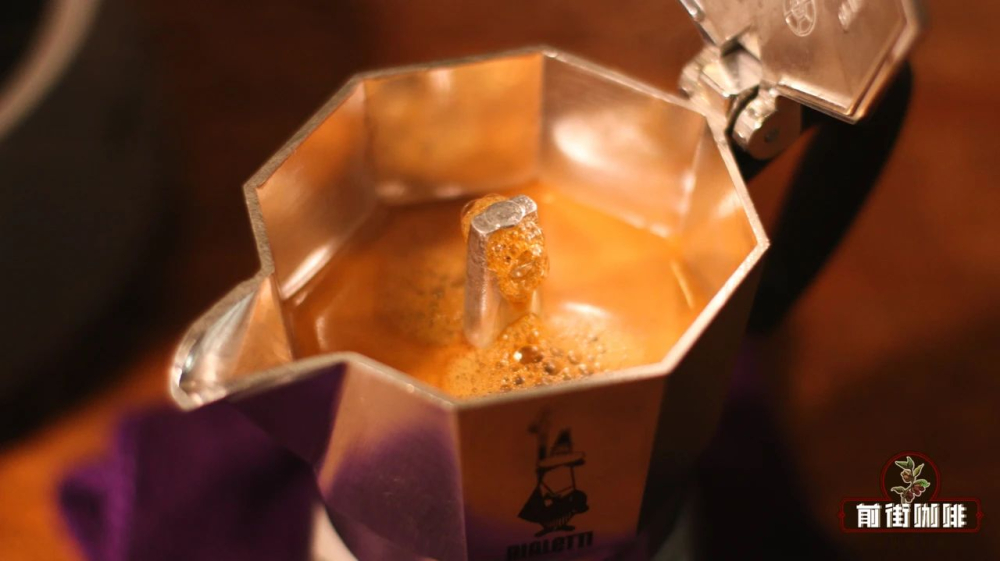
If you prefer coffee with nutty tones and moderate sweetness, the "Brazilian Queen Estate Coffee Beans" are an excellent choice. Grown at elevations of 1400 to 1950 meters in São Paulo State, Brazil, the Yellow Bourbon variety delivers gentle roasted nut aromas and distinct brown sugar sweetness, with a smooth texture and minimal bitterness. It is ideal for everyday enjoyment or pairing with light meals.
For coffee lovers seeking intense herbal, pine, and spice flavors, the "PWN Indonesian Golden Mandheling Coffee Beans" are recommended. Sourced from the Gayo Highlands of Aceh, Sumatra, these beans undergo multiple manual selections to ensure uniform bean size and a low defect rate. Their flavor profile is clean and layered, with a pronounced aftertaste, making them well-suited for drinkers who enjoy a heavy mouthfeel and unique regional characteristics.
The above content is compiled by CoffeeHunters, a coffee news website.


