







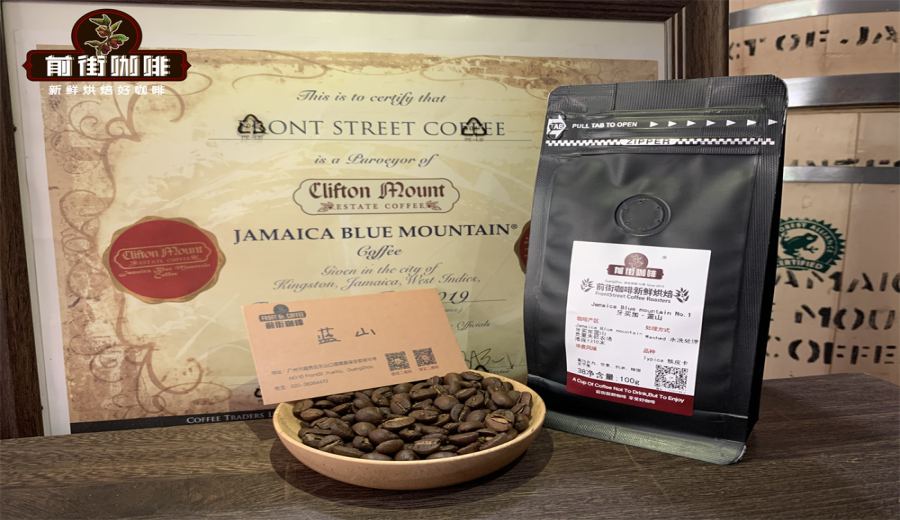
Introduction:Jamaican Blue Mountain coffee is hailed as the pinnacle of the coffee world, yet few truly understand its cultivation, processing, and flavor characteristics. This article delves into the growing environment, variety traits, grading system, and barrel packaging of Blue Mountain coffee, helping you identify authentic Blue Mountain No. 1 beans. It also provides professional pour over recommendations and precise parameters so you can recreate its classic nutty and chocolatey flavors at home.
To many coffee enthusiasts, Blue Mountain coffee represents high quality and refined flavor, but knowledge about its cultivation conditions, processing techniques, and grading system remains relatively limited. This article comprehensively unravels the mysteries of this world-renowned coffee—from its origin environment and varietal features, to its washed processing, grading, barrel packaging, and how to distinguish genuine Blue Mountain No. 1, along with recommended pour over parameters—to help you gain a deeper understanding and appreciate it properly.
When it comes to Blue Mountain coffee, many people immediately think of “premium,” “expensive,” and “hard to come by.” But what exactly makes Blue Mountain coffee so uniquely esteemed? The key lies in the irreplaceability of its growing environment. As the name suggests, the Blue Mountains are named for the blue haze that appears on their slopes under sunlight, forming Jamaica’s most famous mountain range and home to the highest peaks in the Caribbean. To protect the natural environment, the government only allows coffee cultivation below 1,700 meters altitude, while the region capable of producing top-tier Blue Mountain coffee is concentrated between 910 and 1,700 meters.
This exceptional region covers four main producing areas: Saint Andrew, Saint Mary, Saint Thomas, and Portland, spanning a total area of about 6,000 hectares. Only coffee grown in these high-altitude zones can be officially called “Jamaican Blue Mountain coffee.” In contrast, coffee grown between 460 and 910 meters is classified as “Jamaican High Mountain coffee,” and anything below 460 meters is merely “Jamaican Prime coffee”—all three categories differ significantly in quality and price.
The coffee variety planted for Blue Mountain is Typica, an historic Arabica variety known for its elegant balance of acidity and sweetness, along with a smooth mouthfeel. Although Typica is naturally less resistant to disease and has lower yields, under the unique conditions of the Blue Mountains—including volcanic soil, high-altitude day-night temperature variation, misty environments, and abundant rainfall—Typica expresses a refined flavor that is hard to replicate elsewhere. Notably, these coffee trees have been rooted in the Blue Mountains for over two hundred years, having adapted to the local ecosystem and developed a distinctive terroir character.
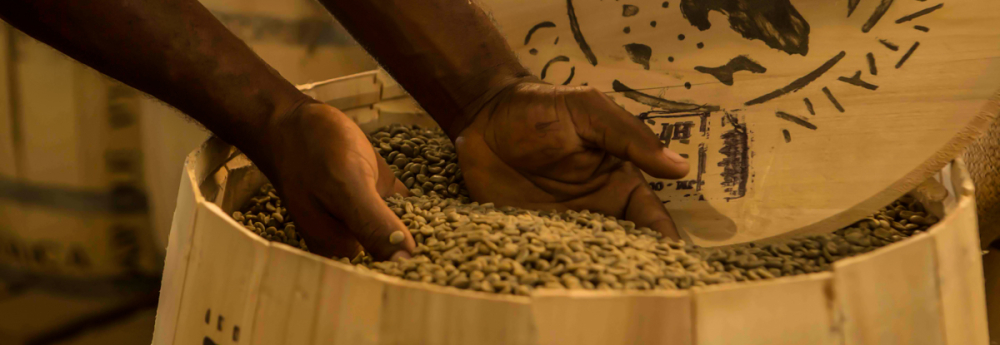
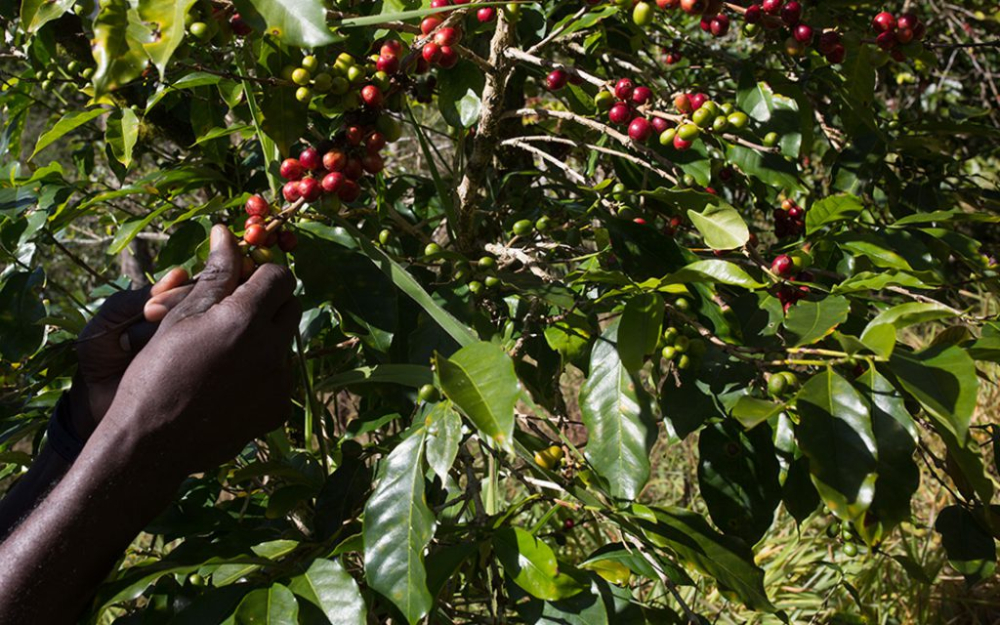
The refinement of Blue Mountain coffee comes not only from its variety and environment but also from its rigorous post-harvest processing. Take the Clifton Estate as an example—it is one of Jamaica’s largest Blue Mountain coffee producers, with plantations at around 1,310 meters altitude, and its Blue Mountain No. 1 beans are known for consistent quality. Since most of the planting areas are steep hillsides, harvesting relies entirely on skilled local women manually selecting ripe red cherries. After harvest, the beans undergo traditional washed processing: first, obvious defective beans are removed, then the outer skin is mechanically stripped, followed by fermentation in water tanks for 12 to 18 hours to remove the mucilage layer. Subsequently, the beans go through multiple washes and a second round of defect sorting, then are evenly spread on cement floors or mesh racks to dry slowly at low temperatures until moisture content stabilizes between 10% and 12%. Finally, these parchment beans are stored in wooden barrels in a constant temperature and humidity environment, awaiting final hulling and quality inspection before shipment.
Regarding the grading of Blue Mountain coffee, Jamaica has extremely strict standards. Beans are categorized into four grades based on size, shape, and defect ratio: NO.1, NO.2, NO.3, and Peaberry. Among them, NO.1 is the highest grade, commonly known as Blue Mountain No. 1. Its beans must be between 17 and 18 mesh in size, with a defect ratio no higher than 2%, and each bean must be plump and uniform. Due to these stringent selection criteria, beans meeting the Blue Mountain No. 1 standard are extremely rare, making their higher price entirely reasonable.
Additionally, the packaging of Jamaican Blue Mountain No. 1 beans is also unique, using round wooden barrels rather than the common burlap sacks. These barrels not only block external moisture but also help maintain the moisture content of the green beans at around 11.5% during long-distance transport—an important indicator for verifying authenticity.
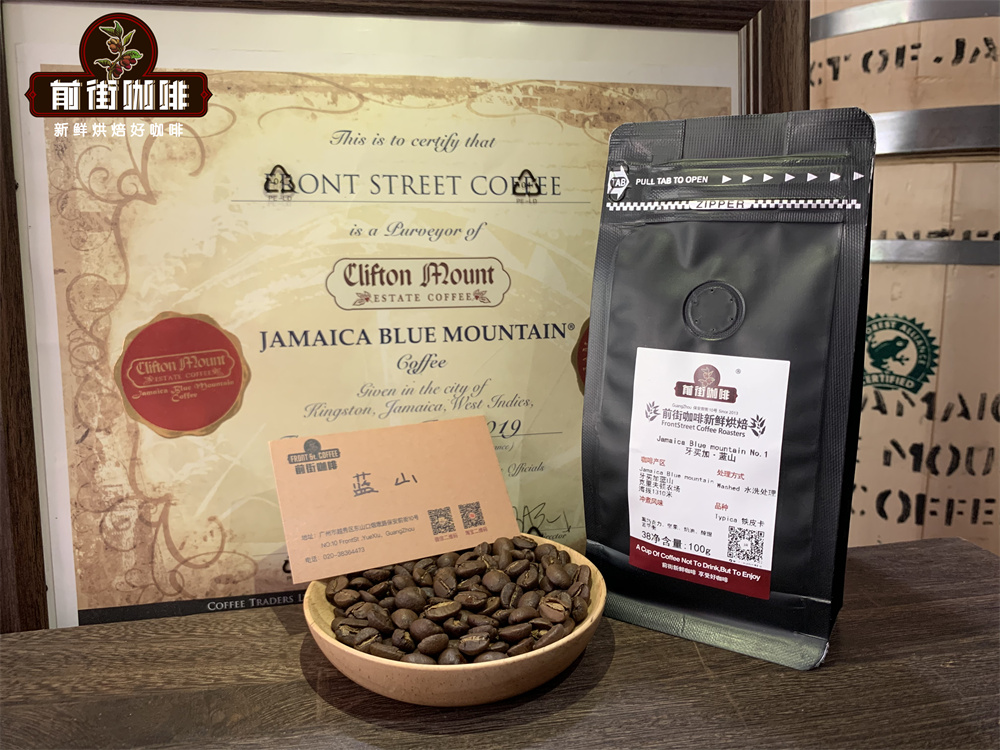
Faced with the many products on the market claiming to be “Blue Mountain coffee,” how can consumers avoid fakes? First, genuine Blue Mountain No. 1 beans are always exported in whole wooden barrels—if the seller cannot provide proof of whole-barrel sourcing, it’s likely a blend or counterfeit. Second, for direct purchases, you can request a certification from the Jamaica Coffee Industry Board (CIB) or the relevant estate as proof of authenticity. Also, examining the appearance of roasted beans is a basic method: Blue Mountain No. 1 beans should be uniformly sized, plump, and free of obvious defects.
As for brand selection, it’s not actually the key factor. As long as the beans are imported through a CIB-authorized processing facility or farm, the raw material quality doesn’t vary much between brands. The focus should be on ensuring authenticity, then choosing based on your budget and preferences.
In terms of brewing, Blue Mountain coffee offers a balanced profile of acidity, sweetness, and bitterness with a nutty tone. To fully showcase its layers of chocolate and caramel, a medium-to-dark roast is recommended. Practical testing shows that using a KONO filter cone with low water temperature and coarse grind helps improve extraction evenness and avoids over-extraction that leads to bitterness. Specific pour over parameters are as follows: water temperature 88°C, coffee-to-water ratio 1:15, 15 grams of coffee grounds, grind size passing 75% through a #20 sieve, using a three-stage pour—first pour 30 grams of hot water for a 30-second bloom, then slowly circle from the center to reach 125 grams, and finally circle again to 225 grams, with a total brew time of about 2 minutes. Remember to use freshly roasted beans, ideally enjoyed within 5 days of roasting for optimal flavor.
Brewing Blue Mountain No. 1 with the above parameters, you’ll notice distinct caramel and nut aromas during the bloom stage. Upon tasting, you’ll experience rich notes of nuts, dark chocolate, and subtle sweetness, with a full, smooth mouthfeel and a clean, lingering aftertaste—offering a rare and premium coffee experience.
The above content is compiled by CoffeeHunters, a coffee news website.


