







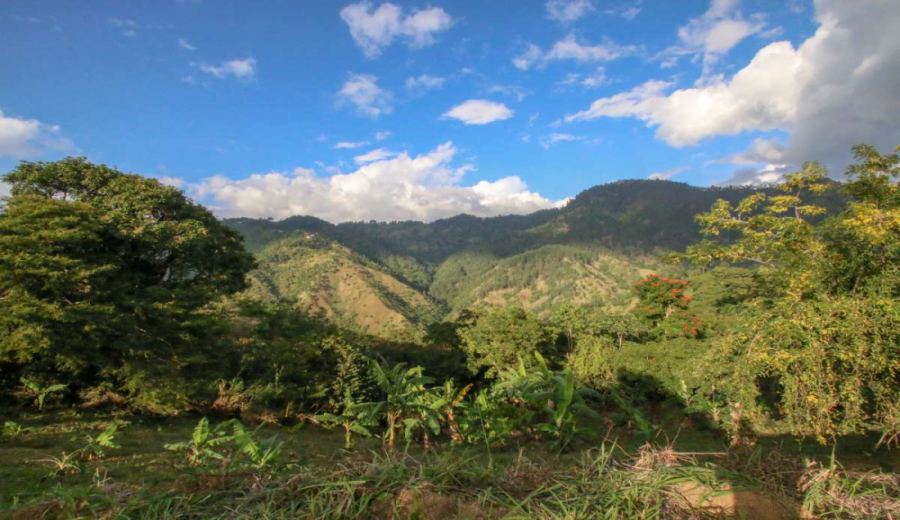
Introduction:Jamaica Blue Mountain coffee is world-renowned for its unique flavor and scarce production, yet the commonly seen "Blue Mountain-flavored" or blended beans often confuse consumers. This article delves into the origin, grade classification, and barrel packaging identification of authentic Blue Mountain coffee, and provides pour over brewing recommendations and actual flavor profiles for the Clifton Estate Blue Mountain beans to help coffee enthusiasts better understand the characteristics and brewing techniques of this premium bean.
Jamaica Blue Mountain coffee has long been hailed as the pinnacle of the coffee world, not only because of its limited growing region but also due to its stringent cultivation conditions and scarce yield. True Blue Mountain coffee is grown exclusively in the highlands of the Blue Mountains in Jamaica at elevations between 1,000 and 1,700 meters, with limited annual production, which is why its price remains high. However, the market is flooded with so-called "Blue Mountain-flavored coffee," which often has no connection to the Blue Mountains and merely leverages the name for marketing purposes.
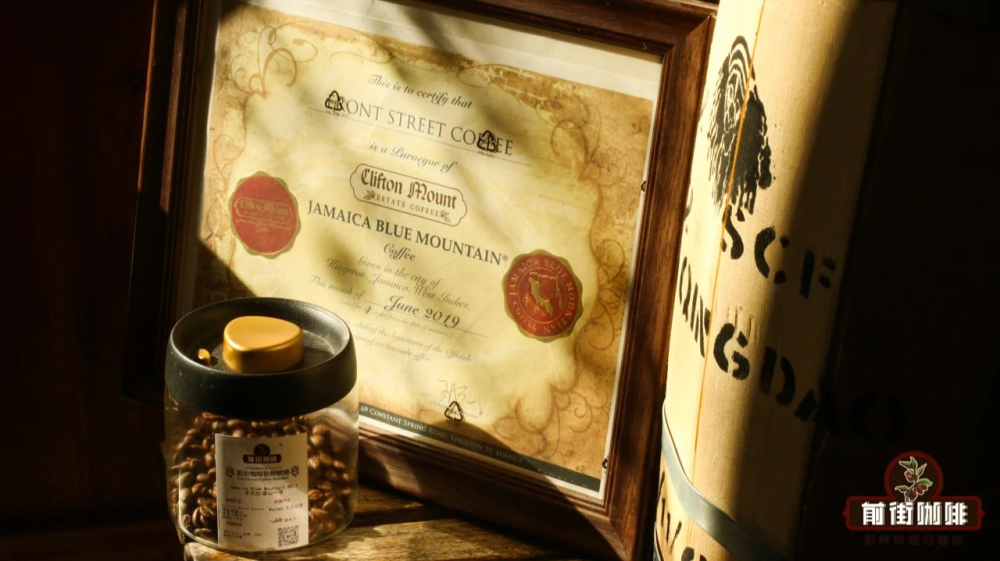
To determine whether it is authentic Blue Mountain coffee, first pay attention to the packaging. Unlike the common cotton or linen bags used for general coffee, genuine Blue Mountain coffee is always packed in wooden barrels, which bear the Tropical Rain Frog logo and come with official certification documents issued by the Jamaican government. When purchasing, it is recommended to ask the seller for these supporting documents to ensure that you are getting coffee beans that truly come from the Blue Mountain range.
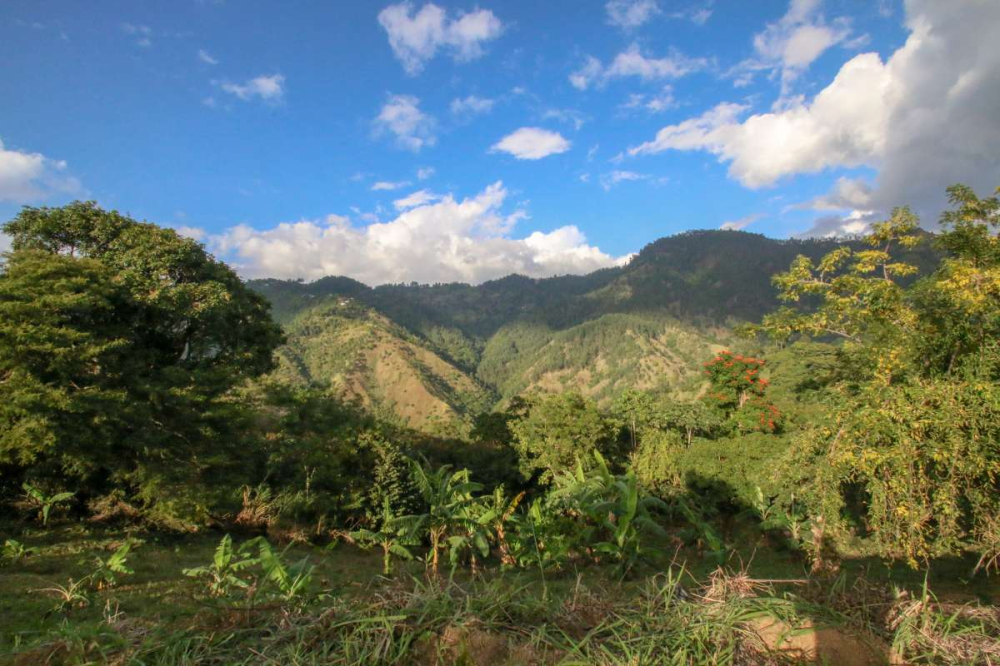
Jamaica Blue Mountain coffee is divided into three major grades based on origin and altitude: Blue Mountain Coffee, Jamaica High Mountain Supreme Coffee Beans, and Jamaica Prime Coffee Beans. Among them, Blue Mountain Coffee and Jamaica High Mountain Supreme Coffee Beans are further subdivided into No. 1 and No. 2, with overall quality ranked as: Blue Mountain No. 1 > Blue Mountain No. 2 > High Mountain No. 1 > High Mountain No. 2 > Jamaica Coffee. In green bean grading, common grades also include NO.1, NO.2, NO.3, and PB (peaberry), with NO.1 being the highest grade.
According to the standards of the Jamaica Coffee Industry Board (CIB), NO.1 Blue Mountain green beans must have a screen size of 17 or above, a defect rate of no more than 3%, and a moisture content of about 13%. These strict specifications ensure that Blue Mountain coffee delivers stable and excellent flavor performance. The oft-claimed "balance of acidity, bitterness, sweetness, and body" on many packages is not an exaggeration but rather the true flavor profile of Blue Mountain coffee, though the final impression still depends on personal tasting experience.
The reason Blue Mountain coffee is so expensive is not only due to its limited yield but also closely related to its cultivation and processing. These coffee trees are mainly planted in high-altitude mountainous regions, where they are regulated by the marine climate and mountain mist, resulting in slow growth, fine bean structure, and high density. Additionally, Blue Mountain coffee is mostly processed using the washed method, a traditional technique that preserves the coffee's cleanliness and bright acidity while reducing defect rates and off-flavors. After harvesting, the coffee cherries are quickly subjected to flotation to remove unripe fruits and foreign matter, then the pulp is mechanically removed, followed by fermentation to eliminate the mucilage, and finally sun-drying in the shade—the entire process is meticulous and time-consuming.
Taking the Blue Mountain coffee produced by Clifton Estate as an example, its green beans have a uniform bluish-green appearance, medium to small-sized particles with slightly curled ends, typical of the Typica variety. After proper roasting, the beans visibly expand, feel full to the touch, and emit a crisp, delicate texture when ground by hand, grinding smoothly without resistance. The most outstanding feature of this coffee is its exceptional balance—it is smooth on the palate, with distinct layers of flavor, where acidity, sweetness, bitterness, and body blend seamlessly without clashing.
If you want to brew Blue Mountain coffee at home using the pour over method, it is recommended to use a Kono dripper, with the water temperature controlled at around 88°C, the grind size set to medium-coarse, roughly between medium-fine and medium-coarse. Specific parameters can be referenced as follows: using 15 grams of coffee groundsas a base, the first pour involves 30 grams of waterfor a 30-second bloom; after the bloom, continue pouring until reaching 125 grams, and wait until the coffee liquid level drops to about half before pouring again to a total of 225 grams, making the overall brew ratio 1:15. This parameter helps fully showcase the delicate flavors and rich body of Blue Mountain coffee.
The unique charm of Blue Mountain coffee comes not only from its growing environment and processing techniques but also from the long-term commitment to and maintenance of quality. Compared to many blends or flavored products on the market that contain only a small amount of Blue Mountain beans, authentic Blue Mountain coffee is undoubtedly a classic choice that coffee enthusiasts shouldn't miss. Understanding its origin, grade, packaging, and brewing essentials is the key to truly appreciating the rich layers and exceptional balance of this premium coffee from the Caribbean highlands.
The above content is compiled by CoffeeHunters, a coffee news website.


