







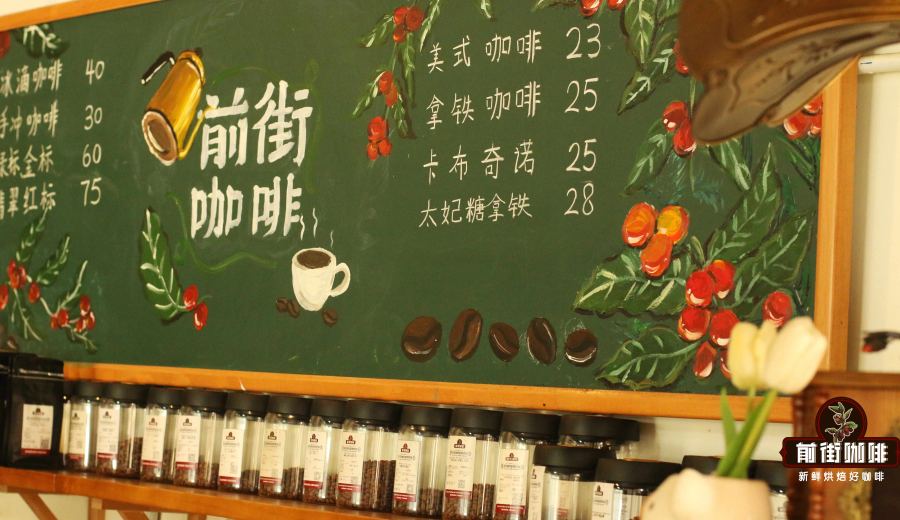
Introduction:Delve into the essence of espresso preparation, from the principles of high-pressure extraction and standard parameter settings to the flavor profiles of four major blends. This article thoroughly breaks down the key differences between espresso and Americano, detailing the seven-step extraction process, TDS measurement application, and practical coffee-to-water ratio recommendations to help you master professional-grade espresso techniques.
The soul of espresso begins with the shot itself—a concentrated coffee extracted under high pressure. Beyond serving as the base for classic drinks like lattes and cappuccinos, its layered complexity deserves deeper appreciation. Under the combined effect of approximately 92°C hot water flow and nine atmospheres of pressure, finely ground and tamped coffee releases a high concentration of soluble substances, forming the signature rich texture and intense flavor profile of espresso.
The Historical Roots of Espresso and AmericanoCan be traced back to World War II, when American soldiers stationed in Europe found it hard to adapt to the strong taste of espresso. They began diluting it with water to achieve a flavor closer to drip coffee. Europeans initially dubbed this preparation "Americano" as a subtle jab at American drinking habits. In modern cafés, the typical hot Americano water-to-espresso ratio is about 1:4.5, while the iced version expands to 1:9—different ratios directly impact the coffee’s body and flavor release.
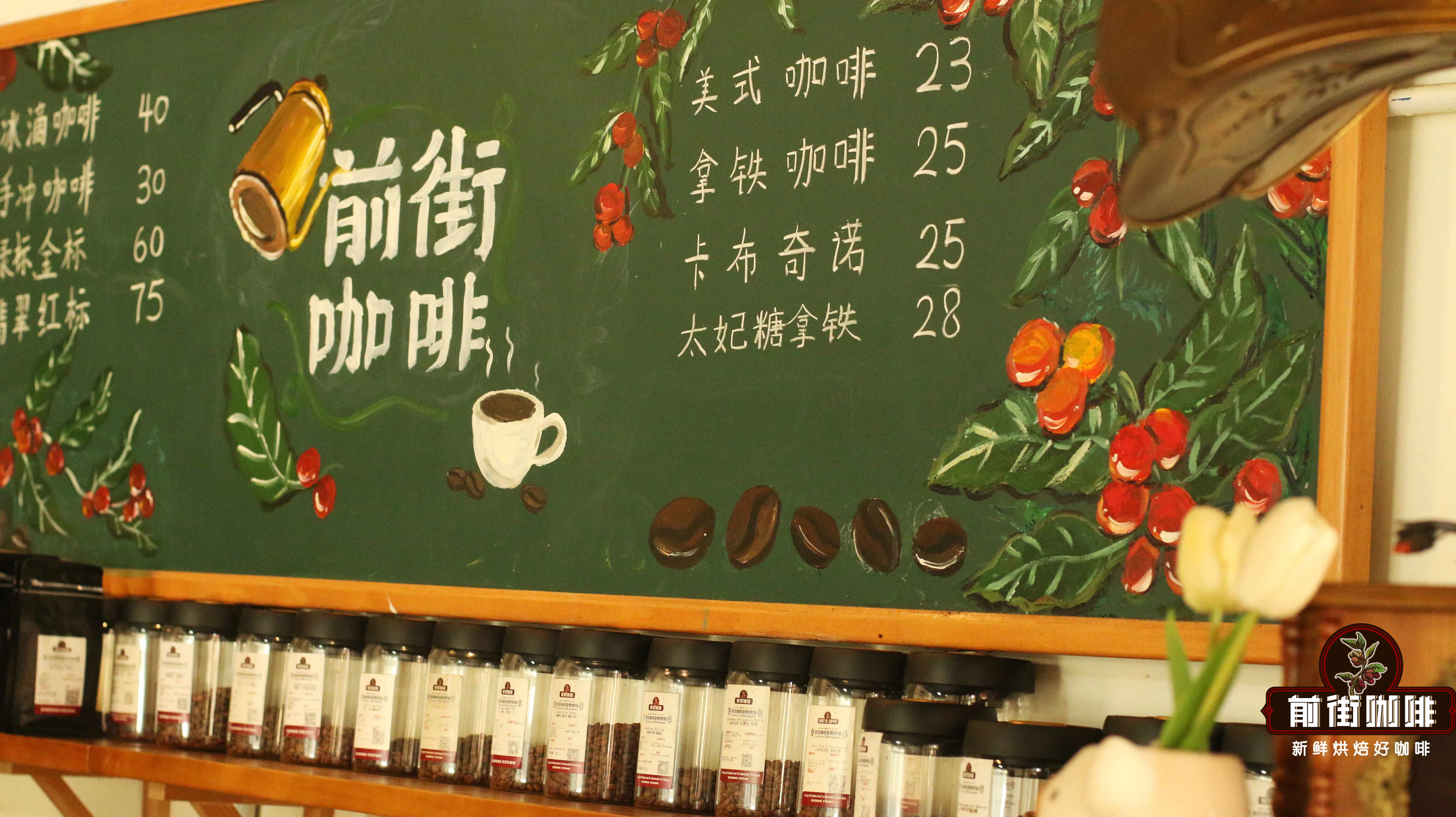
Professional baristas select different blend recipes based on intended use:Premium BlendUses Brazilian and Colombian Arabica beans, delivering clean nutty and chocolatey notes;Commercial BlendAdds 10% Robusta to enhance body, particularly suited for milk-based drinks;Dark Cocoa BlendPrioritizes cost-effectiveness, ideal for shops seeking high crema performance; the innovativeSunflower Warmth BlendMixes 30% Yirgacheffe Red Cherry and 70% Honduran Sherry, offering unique vanilla cream and fermented wine aromas.
Standard espresso extraction parameters require strict control of three key elements: recommended coffee dose of 18-22 grams (adjusted by portafilter capacity),Typical coffee-to-water ratio maintained at 1:2 to 1:3(e.g., 20g dose yielding 36-40g liquid), with extraction time ranging 25-35 seconds. Grind size must be dynamically adjusted based on extraction conditions—overly fast extraction risks sharp acidity and insufficient sweetness, while overly slow may produce woody tones and unpleasant bitterness. TDS refractometers are recommended for monitoring, using the formula "(%TDS × extracted liquid weight) ÷ coffee dose = extraction yield" to precisely gauge efficiency.
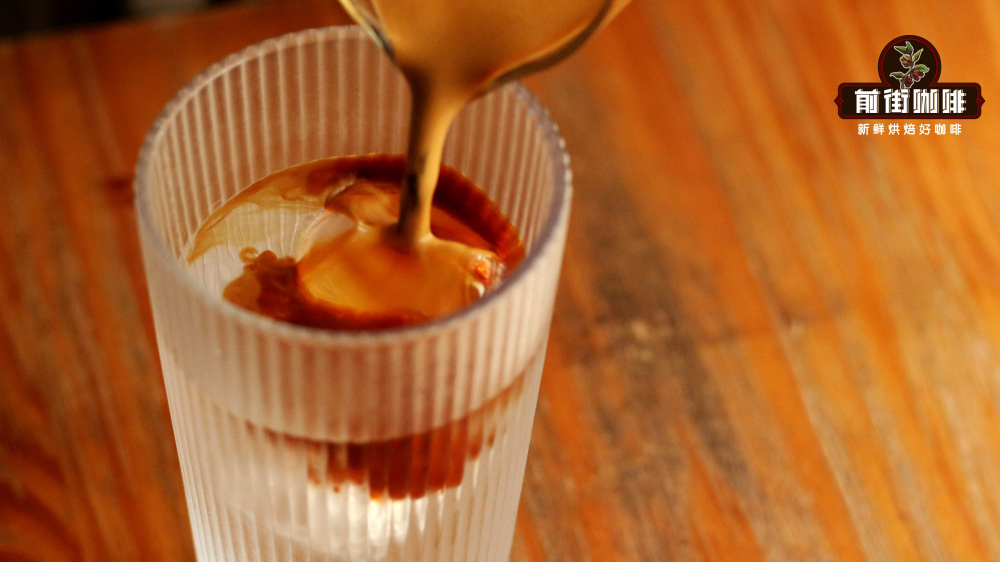
The practical workflow breaks down into seven key steps: first, clean the portafilter to ensure no residual moisture, then precisely weigh coffee grounds with an electronic scale (error control within ±0.1g), distribute grounds evenly, tamp with 5-10kg pressure, tap the handle to eliminate clumps, attach the portafilter and immediately start extraction, finally clean the group head to prevent residue buildup. Notably,A 20g dose yielding 40g liquid in 30 secondsOffers a balanced intensity and flavor expression, serving as an ideal starting standard for cafés.
Americano preparation variations mainly manifest in dilution ratios: hot versions often use 1:4.5 to maintain drinkable temperature and flavor balance, while iced versions expand to 1:9 to highlight a refreshing profile. Different blends create distinct bases—high-crema blends yield more pronounced crema persistence and chocolatey finishes in iced Americanos, whereas nutty-profiled blends suit hot milk-based drink foundations.
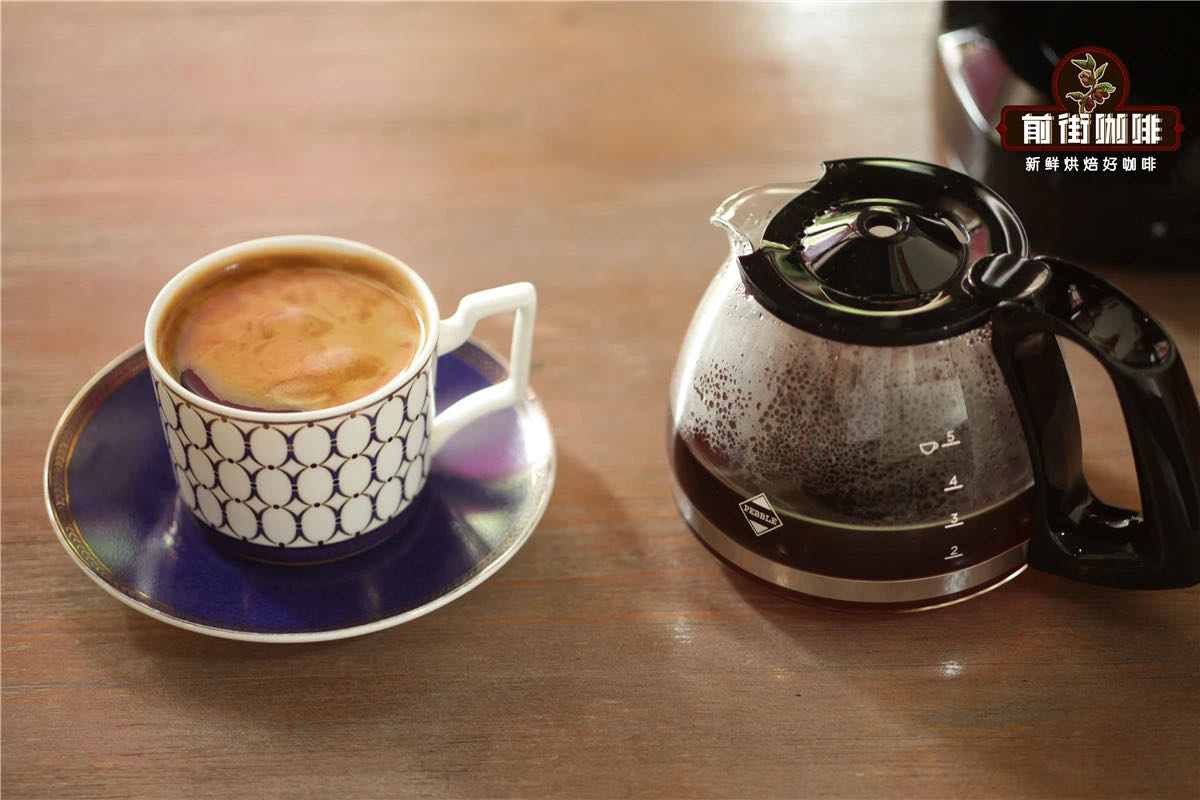
Advanced enthusiasts can assess extraction quality by observing crema texture: the ideal state should exhibit hazelnut coloration with uniform thickness, lasting over two minutes. Common issues include channeling (localized over-extraction causing metallic notes) and crust collapse (leading to uneven extraction), addressed through distribution evenness, consistent tamping pressure, and pre-infusion adjustments. For home machine users, mastering basic parameter combinations before fine-tuning grind size and pre-infusion is advised.
Whether pursuing the ultimate flavors of single-origin espresso or emphasizing stable output from commercial recipes, understanding how each variable influences the final cup is key to mastering espresso artistry. From precise coffee-to-water calculations to blend characteristic pairings, these professional insights empower coffee lovers to transcend beverage limitations and explore greater creative possibilities.
The above content is compiled by CoffeeHunters, a coffee news website.


