







Introduction:Want to brew café-quality pour over coffee at home? Mastering brew time is key. From filter choice and coffee dose to pouring rhythm, these details all affect flow rate and flavor expression. This article dissects the four major factors that influence pour over time, and provides a beginner-friendly 2-minute standard process to help you easily adjust parameters and find your ideal extraction balance.
In the world of pour over coffee, brew time plays a pivotal role. It not only affects the intensity of flavors but also directly impacts the body and layering of the cup. How can you precisely control this crucial contact time between coffee grounds and water? The answer lies in factors such as filter design, coffee dosage, pouring pace, and grind size. This article will take you from basic principles to break down how these elements interact, helping you master the secrets to brewing a balanced and expressive cup.
With the rise of specialty coffee, the pour over method has become a favorite among many coffee enthusiasts for its simple yet ritualistic nature and high customizability. Yet, many beginners often wonder: why does the same coffee bean yield such vastly different flavors when brewed by different people? In truth, mastering just a few core variables allows you to consistently replicate café-quality results at home.
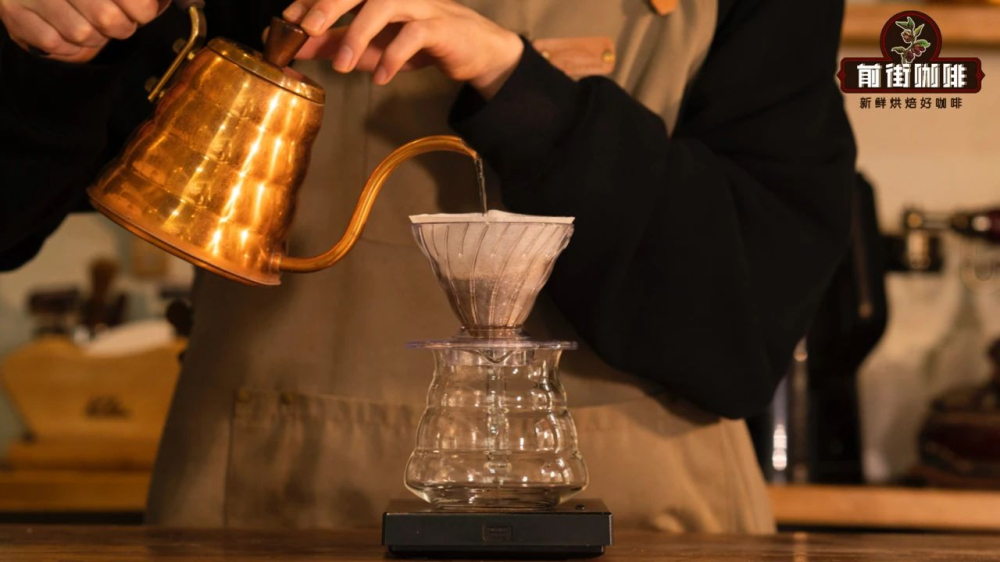
In barista practice, it’s common to use 15 grams of coffee with a 1:15 coffee-to-water ratio, totaling 225 grams of water, and to choose either a V60 or KONO filter based on the bean profile. Before each brew, hot water is used to pre-wet the filter paper to ensure it adheres tightly to the filter walls, avoiding any unwanted paper taste.
So, what factors primarily determine the direction of pour over flavors? Simply put, grind size, water temperature, coffee-to-water ratio, and brew time are the four key variables that influence coffee flavor. Among them,the finer the grind, the more compounds are extracted, leading to richer, fuller flavors; conversely, a coarser grind results in a cleaner but less complex cup.Similarly, higher water temperatures extract more quickly, yielding brighter flavors, but if not controlled well, can bring out excessive bitterness; lower temperatures slow extraction, resulting in a gentler but potentially flatter cup. As for coffee-to-water ratio, a higher ratio leads to a lighter cup, while a lower ratio yields a more concentrated flavor. The same applies to brew time—longer times produce fuller flavors but risk over-extraction and bitterness; shorter times may lack aroma and feel thin.
Brew time refers to the actual duration that coffee grounds are in contact with water, and this duration directly determines how many flavor compounds are extracted. When the contact time is extended, water has more time to dissolve various compounds, bringing out richer flavors; conversely, too short a time extracts only the most soluble substances, resulting in a more one-dimensional flavor.
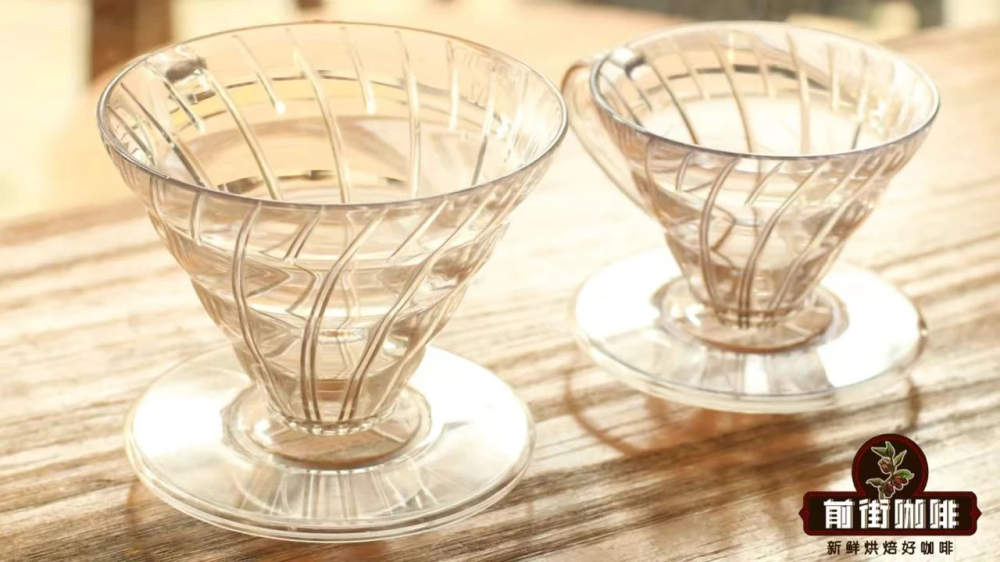
So, what practical factors influence pour over brew time? First and foremost is the structural design of the filter. Different filters have varying hole sizes, rib shapes, and arrangements, all of which significantly affect flow rate and extraction efficiency. For example, the V60, commonly used by baristas, features large outlet holes and spiral-shaped vents, which accelerate the drainage process, making the overall extraction closer to drip-style and helping to highlight the coffee’s layers and clarity.
In contrast, the KONO filter has shorter, straighter ribs and smaller outlet holes, resulting in slower drainage and naturally longer brew time. This characteristic means the coffee grounds remain in contact with water longer when using a KONO, often producing a rounder, fuller-bodied cup.
Besides the filter itself, the amount of coffee used also indirectly affects flow rate and brew time. A common baseline is 15 grams of coffee, but increasing the dose not only requires more time to pour but also raises the bed height, slowing the overall flow. For instance, under the same pouring speed and coffee-to-water ratio, 15 grams of coffee takes 22.5 seconds to pour 225 grams of water, while 20 grams takes 30 seconds to pour 300 grams—the time difference is immediately noticeable.
Pouring speed is also an intuitive factor affecting brew time. Faster water flow reduces total contact time, limiting flavor release and resulting in a lighter cup; conversely, a slower pour extends contact time, allowing more flavor compounds to be extracted, leading to a more vibrant and layered cup.
Finally, never overlook grind size—it’s often the most overlooked yet most impactful variable for beginners. If you’ve ever experienced near-stagnant flow after pouring, with the coffee bed resembling a paste that clogs the filter, that’s a classic sign of grinding too fine, causing severe flow restriction.
Generally, for beans of different roast levels, different grind settings are recommended: for medium to dark roasts like Indonesian Mandheling, Brazilian Cerrado, or Blue Mountain, which undergo more pronounced caramelization, a grind similar to coarse sugar is suggested—around 10.5 on an electric grinder like the EK43s; whereas for bright, fruity medium to light roasts like Yirgacheffe, Rwandan Red Bourbon, or Kenyan Little Tomatoes, a finer grind akin to caster sugar—around 10 on the EK43s—is advised to better highlight flavor nuances.
The fineness of coffee grounds essentially controls the “channel width” through which water flows. Finer particles leave smaller gaps between them, restricting flow and slowing extraction; conversely, coarser particles create larger gaps, reducing resistance and speeding up flow, thus shortening brew time.
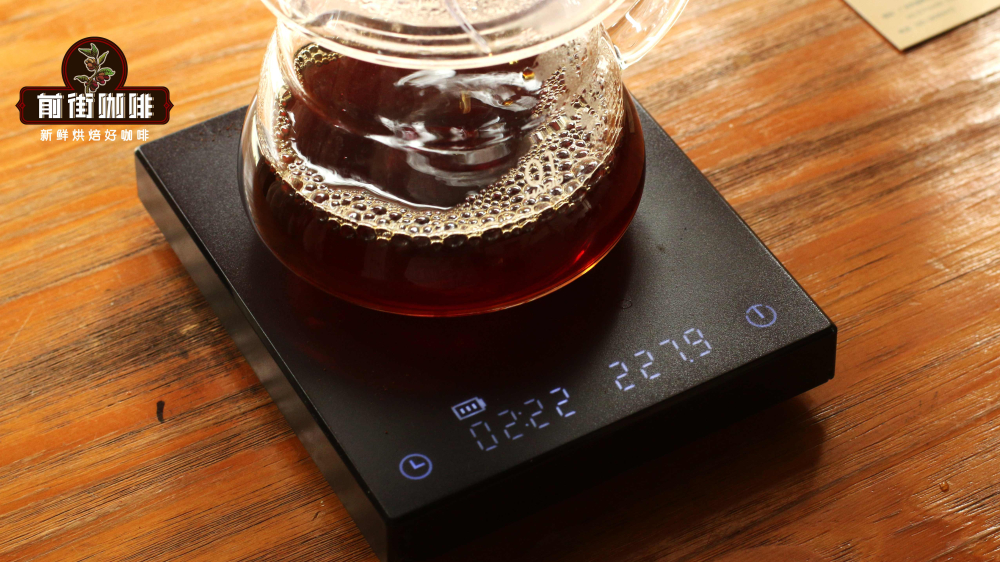
So, how long should a pour over take to brew? There’s no absolute standard, as brew time results from the interplay of many variables. However, for beginners, there’s a simple, stable reference process: use a V60 filter, 15 grams of coffee with a 1:15 ratio, a medium-fine grind (around 10 on the EK43s), water at 90°C, and employ a “three-pour” method—start with 30 grams for a 30-second bloom, then pour the remaining 185 grams either all at once or in stages before 1 minute 15 seconds, keeping total brew time around 2 minutes. Remove the filter just as the last drips fall for a balanced, clean cup.
If you encounter pouring difficulties, you can also split it into two pours: first, pour 30 grams for the bloom and let it sit for 30 seconds; then pour 125 grams, wait about 10 seconds, and add the remaining 100 grams, still keeping total time around 2 minutes. Be mindful—if brew time is under 2 minutes, too fast a flow may result in weak aromas; if over 2 minutes, over-extraction can bring out bitter, astringent notes. Master these basics, and you can gradually fine-tune your own perfect pour over ratio to suit your taste.
The above content is compiled by CoffeeHunters, a coffee news website.


