








Introduction:Although Americano is known for its simplicity, it can vividly showcase a barista’s technical skills. This article delves into the common preparation methods of Americano in cafés, breaking down key parameters such as coffee-to-water ratio, extraction time, and grind size. It also explores the causes of common acidity issues and how to improve them, while explaining the formation of crema on top of hot Americano. Whether you're a beginner or a coffee enthusiast, you’ll gain insights into adjusting an easy-drinking Americano.
Among the many types of coffee beverages, Americano has always enjoyed high popularity. Not only does it highlight the inherent flavor characteristics of coffee beans, but it is also an essential daily pick-me-up for many. Generally speaking, Americano can be divided into two main types: one is the espresso-based Americano commonly found in cafés, made by diluting espresso with hot water; the other is often made at home or in offices using drip coffee machines, yielding a relatively light and refreshing flavor. With the rise of specialty coffee culture, more and more consumers favor the richly layered Americano produced in cafés. This article will focus on the detailed production process of café-style Americano, taking you deeper into its intricacies.
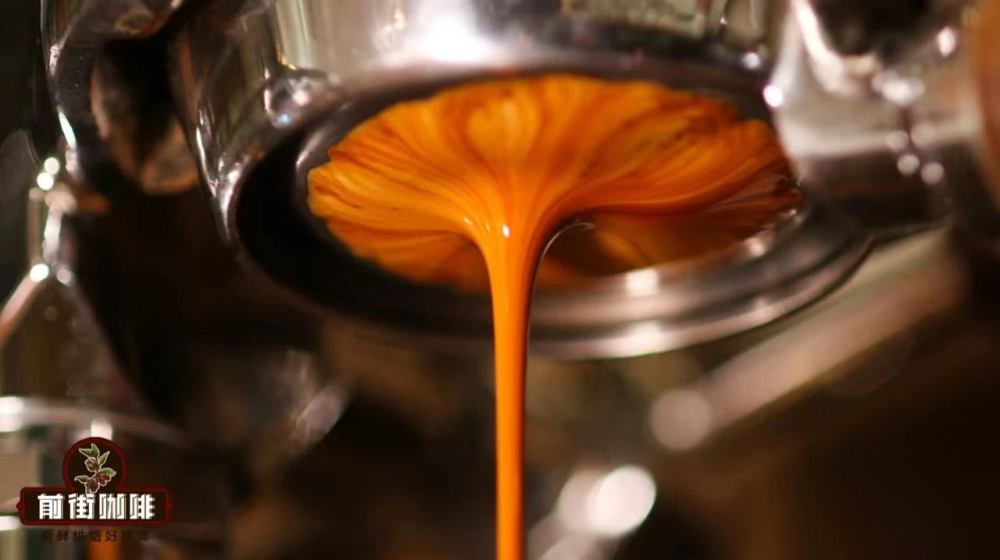
Many people assume that Americano is simply “espresso plus hot water,” but in reality, making a well-balanced and smooth Americano requires careful attention at every step—from bean selection and grinding to extraction. Especially, the quality of the espresso directly determines the final outcome. Taking a popular café-blend bean as an example, common extraction parameters include using20 grams of coffee groundsto extract40 grams of coffee liquid, with the extraction time controlled between27 to 28 seconds. This ratio fully showcases the balance between sweetness and bitterness, as well as the aroma layers of the coffee.

When setting up the extraction method for Americano,coffee-to-water ratiois a critical factor. It is generally recommended to maintain a ratio within1:2a certain range, which means extracting 2 grams of coffee liquid for every 1 gram of coffee grounds. Additionally, the overall extraction time is advised to fall between25 to 30 seconds
. This ensures that the soluble substances in the coffee are appropriately extracted, while avoiding the bitterness caused by over-extraction. If the extraction time is too short—less than 20 seconds—it usually indicates insufficient contact time between the coffee grounds and water, resulting in incomplete extraction. This not only highlights acidity but also makes the aroma seem thin.Many people who make Americano at home often report that their coffee tastes overly acidic. This issue may stem from two main reasons. First is the roast level of the coffee beans: if you’re using light roast beans, their acidity tends to be more pronounced. In this case, switching to medium-dark roast beans—such as blends with caramel and nutty profiles—can effectively balance the acidity and deliver a smoother taste. Second, under-extraction is another major cause of acidity. In addition to adjusting the roast level, you can alsorefine the grind sizeorslightly increase the amount of coffee grounds

to extend the extraction time and improve extraction yield, thereby enhancing the overall flavor profile.
When enjoying a hot Americano, have you ever noticed a delicate layer of foam floating on the surface? This substance, often referred to as “coffee crema,” is actually a byproduct of the espresso-making process. Espresso consists of three parts: the core, the body, and the crema. The formation of crema is closely related to high-pressure extraction. Under high pressure, carbon dioxide from the coffee grounds dissolves abundantly into the liquid. When the extraction ends and the pressure returns to normal, the released carbon dioxide combines with the coffee oils, eventually forming a fine, glossy layer of crema on the surface. This is also one of the unique sensory indicators of espresso.
With these basic principles in mind, whether you aim to replicate café-quality Americano at home or wish to tailor your coffee to your personal taste, you’ll have a clearer direction. Remember, although Americano may seem simple, it is an important measure of a barista’s fundamental skills. Every step—from bean selection and grind size to coffee-to-water ratio and extraction time—affects the final flavor outcome.For beginners in coffee, it is recommended to start by keeping the coffee-to-water ratio and extraction time consistent, such as tryinga 1:2 coffee-to-liquid ratio
, and observing the flavor changes under different extraction times. If you prefer a stronger taste, you can fine-tune the grind size to allow more contact between the coffee grounds and water, thus extracting richer aromas and layers. At the same time, don’t overlook the impact of the coffee bean roast level on overall flavor—medium-dark roasts often bring a rounder mouthfeel and a balanced acidity and sweetness.

The above content is compiled by CoffeeHunters, a coffee news website.


