







Introduction:Espresso is the foundation of many coffee beverages, and mastering its extraction techniques can significantly enhance coffee quality. This article details the complete process from cleaning the portafilter basket, grinding and dosing, to completing the extraction. It analyzes the formation principles of the three key flavor layers—crema, body, and core—and highlights two critical details: even distribution of coffee grounds and parameter recording. This helps coffee enthusiasts accurately replicate professional-grade espresso.
On café menus, espresso always plays the central role. This coffee, extracted quickly under high pressure, is not just a beverage but the base for many classic coffee drinks. What exactly is true espresso? How can you consistently brew richly layered shots at home? We’ll start with the basic definition and then break down each operational step.
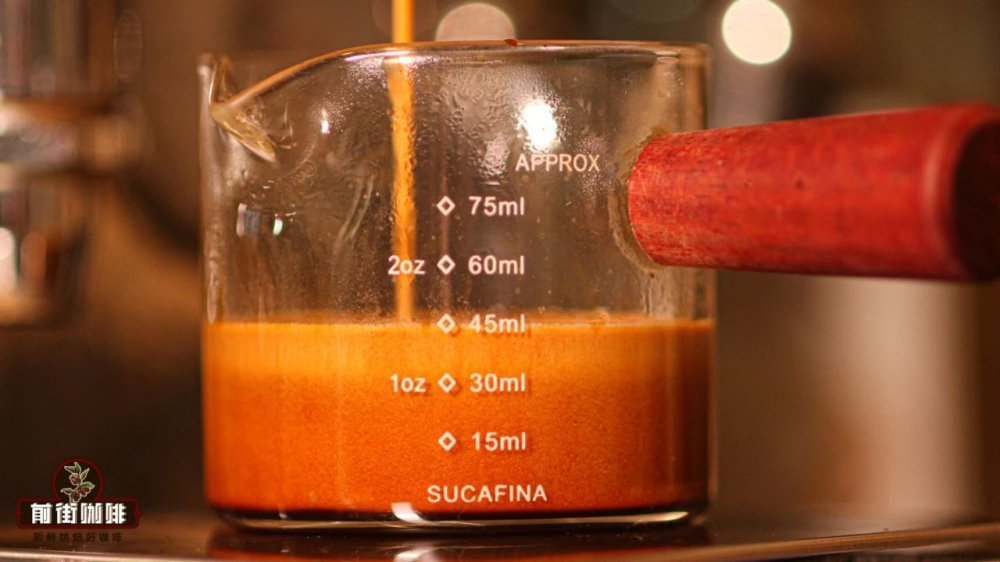
The Essence of EspressoDerived from the Italian word "espresso," meaning coffee that is quickly prepared under pressure. A standard single shot of espresso has a volume of about 30 milliliters, and its soul lies in the distinctthree layers—the crema on the surface, the body flavor in the middle, and the core concentrated part at the bottom.
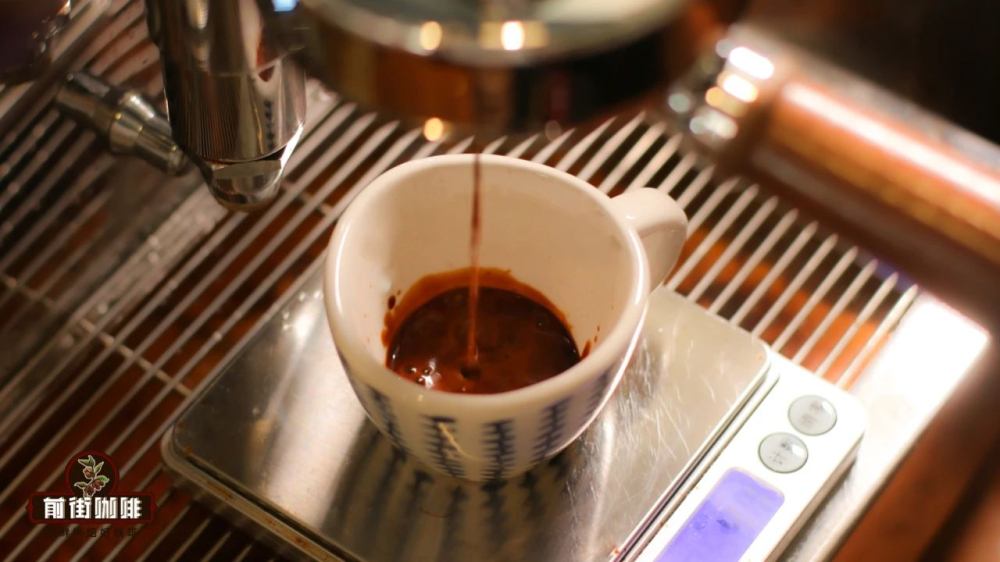
The most distinctive of these is thecrema (Crema). When extremely finely ground coffee powder comes into contact with hot water under 9 bars of pressure, the carbon dioxide in the coffee beans becomes supersaturated in the high-pressure environment and cannot be released alone, dissolving into the liquid. At the same time, the high pressure strips the coffee oils from the coffee puck, carrying them out with the water flow. When extraction ends and the pressure returns to normal, the carbon dioxide tries to escape but is trapped by the oils, eventually forming the signature golden-brown foam layer.
To make a qualified espresso, the following steps must be strictly followed:The first step is thoroughly cleaning the portafilter basket. After removing the handle, it is recommended to use a lint-free specialized cloth to wipe it, ensuring no residual coffee grounds or water stains affect subsequent extraction.
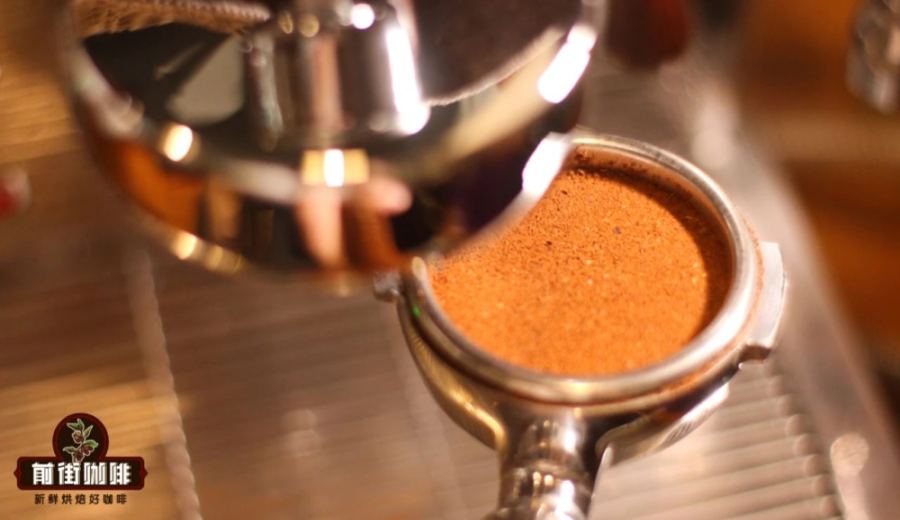
The second step, grinding and dosing, is a crucial link. After starting the grinder, place the handle on the electronic scale and tare it, precisely controlling the amount of coffee powder. Typically, a single shot of espresso uses 7–9 grams of coffee powder, and a double shot uses 14–18 grams. When dosing, pay special attention to evenly distributing the coffee powder to avoid local clumping.
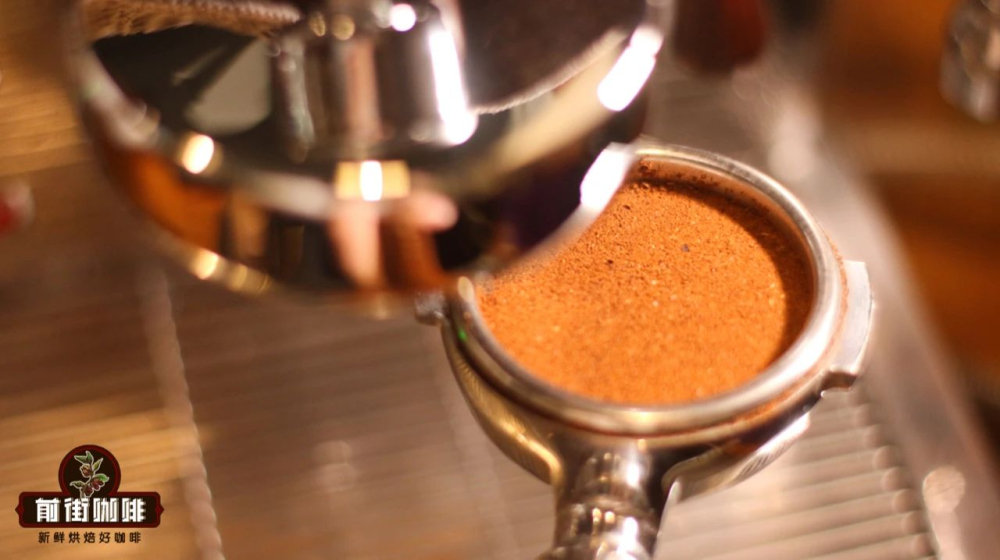
The third step, distribution (布粉), directly affects the evenness of extraction. Whether using finger distribution or a specialized tool, the goal is to create a flat surface of coffee powder in the basket. It is recommended to gently rotate in a circular motion to ensure there are no obvious high or low spots.
The fourth step, tamping (填压), requires mastering the pressure and angle. Apply a vertical downward pressure of 30–40 pounds (about 13–18 kilograms) to ensure uniform puck density. Too light will cause the water to flow too quickly, leading to under-extraction, while too heavy may block the water channels.
The fifth step, extraction, requires attention to technique. Place the handle steadily into the machine and immediately start extraction while observing: ideally, the initial phase should show a reddish-brown crema layer, transitioning to an amber body, and finally revealing a dark core. At the same time, monitor theextraction time (recommended 25–30 seconds)andliquid weight (about 30 ml for a single shot), these two key parameters.
Finally, the sixth step, cleaning, must not be neglected. After extraction, promptly remove the puck, check for any signs of channeling, and thoroughly clean the inside of the portafilter basket.
During the operation, there are twoparticularly important details: The first iseven distribution of coffee grounds. Even minor inconsistencies in powder distribution, under high-pressure extraction, can lead the water to choose the path of least resistance, creating channeling—where some areas are over-extracted while others are under-extracted. It is recommended to gently tap the handle after each distribution to dislodge any uncompacted coffee particles.
The second iscomplete parameter recording. Each extraction should record: the amount of coffee powder, grind size, extraction time, liquid weight, and final taste. These data not only help adjust recipes but also serve as the foundation for replicating successful results. It is recommended to use a notebook or mobile app to create a personal extraction log.
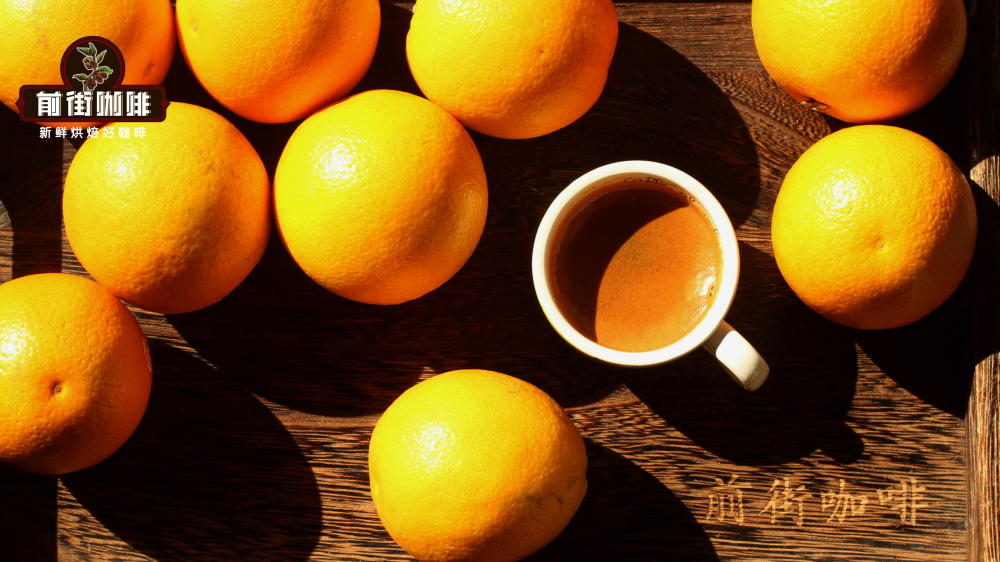
Once you master these key points, you can consistently produce professional-level espresso at home. Remember, good espresso should have a rich aroma profile, a velvety mouthfeel from the crema, and a perfect balance between bright acidity and a full body.
The above content is compiled by CoffeeHunters, a coffee news website.


