







Introduction:Many coffee enthusiasts are impressed by the sweetness in pour-over coffee, yet few understand the underlying reasons or brewing secrets behind it. This article delves into the chemical origins of coffee sweetness, explores how different roast levels and processing methods influence sweet flavor expression, and selects three high-sweetness representative beans—medium roast, honey process, and natural process. With a V60 one-pour parameter demonstration, it takes you from theory to practice to fully master techniques for enhancing coffee sweetness.
When tasting a cup of pour-over coffee, a rich sweetness is often impressive. However, the origin of this sweetness and how to enhance it through bean selection and brewing are less frequently discussed in depth. In fact, coffee sweetness does not appear out of thin air but is derived from natural sugars and amino acids in green beans, transformed through Maillard reactions and caramelization during roasting, ultimately creating the sweet flavors we experience.
The flavor profile of coffee is rich and diverse—from the bright citrus of washed Yirgacheffe, to the floral notes of Panamanian Geisha, to the bold richness of Mandheling. These sensory experiences result from the interplay of smell and taste. Among them, the four basic tastes most easily identified by the tongue are acidity, sweetness, bitterness, and saltiness. In coffee tasting, sweetness not only enhances enjoyment but is also a key indicator of whether a cup of coffee is well-balanced.
From a roasting perspective, light roasts retain more of the coffee bean’s original fruit acidity due to shorter heating times, making sweetness relatively less pronounced; while dark roasts bring intense roasted aromas, they can also sacrifice delicate layers of sweetness. In comparison,medium roaststrikes a better balance between developing aroma and preserving sugars, thus becoming an ideal choice for showcasing sweetness. Additionally, the processing method is also a key factor affecting sweetness.Honey process and natural processcoffee beans usually exhibit more sweetness than washed beans because they retain more fruit mucilage and sugars.

To truly appreciate the sweetness in coffee, one first needs to understand the mechanism of taste perception. When water-soluble flavor compounds in coffee enter the mouth and transmit signals to the brain via taste buds, we perceive tastes such as acidity, sweetness, bitterness, and saltiness. The tip of the tongue is most sensitive to sweetness, while the back of the tongue reacts strongest to bitterness. Therefore, paying attention to the location and layers of sweetness in the mouth when tasting coffee helps more accurately assess a bean’s sweetness performance.
So, which coffee beans are more likely to exhibit outstanding sweetness? Considering variations in roast level and processing method, the following three beans are worth recommending:
First: Colombian Sidamo
Sourced from Boundary Line Estate in Huila, Colombia, grown at an altitude of 1700 meters, using a double anaerobic natural process. This coffee offers a rich flavor profile with bold passion fruit and grape aromas, accompanied by dried fruit-like sweetness and a refreshing acidity reminiscent of mandarin orange. The finish carries a mild almond aftertaste, making it highly favored by coffee lovers who enjoy fruity sweetness.
Second: Strawberry Sugar
This is a carefully selected blend from high-altitude regions in both Panama and Costa Rica, combining the strengths of washed Geisha and honey-processed coffee. Roasted to medium, it retains the vibrancy of floral and fruity notes while bringing out the depth of roasted aromas. When brewed, it presents caramel, raisin, dried fruit, and sweet rose floral notes—a highly layered sweet bean.
Third: Panama Geisha Butterfly
Composed of 70% Geisha and 30% Catuai and Caturra, this blend centers on Geisha’s bright citrusy acidity and elegant floral notes, paired with a honey-like sweet and smooth mouthfeel. It’s highly suitable for various brewing methods such as pour over, cold brew, or drip bags, making it a great choice for experiencing high-value sweet coffee.
To brew a pour-over coffee with outstanding sweetness, parameters and technique are equally crucial. Below, takingHuakui coffee beansas an example—roasted to medium-light level with high fault tolerance and prominent tropical fruit sweetness—it’s suitable for both beginners and advanced brewers.
Recommended brewing parameters:
- Coffee beans: Huakui
- Water temperature:94°C
- Grind size: Ek43 9th notch (about 82% passing rate through a Chinese No. 20 sieve)
- Coffee-to-water ratio:1:16
- Filter: V60
- Brewing method: one-pour
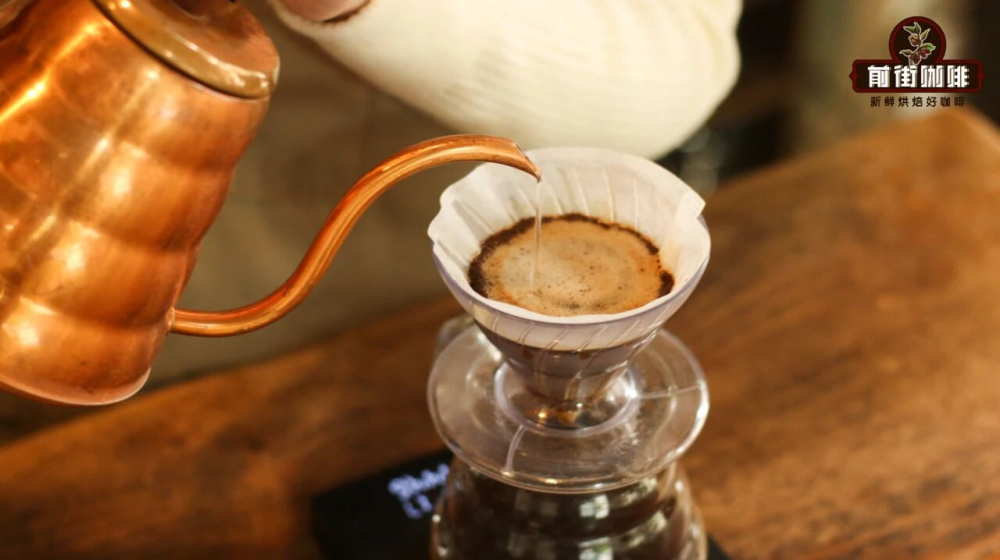
When brewing, it is recommended to gently dig a small hole in the center of the coffee bed with a spoon before starting the pour. This helps ensure even water penetration during the bloom phase, promoting degassing and uniform extraction. First, pour an amount of water twice the coffee dose for30-second bloom, then pour the remaining water in a large circular motion, freely adjusting the circle size and path—for example, a snail-shaped spiral is also fine. Finally, wait for the coffee to completely drip through, with a total brew time of about1 minute and 25 seconds, delivering excellent concentration and extraction yield, often measured at approximately1.31% concentration and 19.35% extraction rate. In terms of flavor, common notes include tropical fruits such as mango, pineapple, and citrus, with a distinct sweetness and a light oolong tea-like aftertaste. The overall profile is balanced and enjoyable.
The above content is compiled by CoffeeHunters, a coffee news website.


