







Introduction:Delve into the unique charm of Guatemalan coffee, from the geographical and climatic backgrounds of the renowned Antigua and Huehuetenango regions to how the washed processing method influences its flavor. This article offers a detailed analysis of the remarkable balance between smoky, berry, and dark chocolate notes. It also provides practical pour over brewing tips for Huehuetenango, guiding you on key extraction parameters such as a 1:15 coffee-to-water ratio and 91°C water temperature to elevate your home brewing experience.
Guatemalan coffee holds a distinctive place in the global specialty coffee market, thanks to its unique smoky aroma and delicate acidity. Coffee beans from the Antigua and Huehuetenango regions, in particular, are the top choice for those who favor deep flavors and pour over experiences. This article will take you through a comprehensive exploration of the stories and flavor profiles behind these coffees — from regional environments and climate conditions to processing methods and pour over techniques.
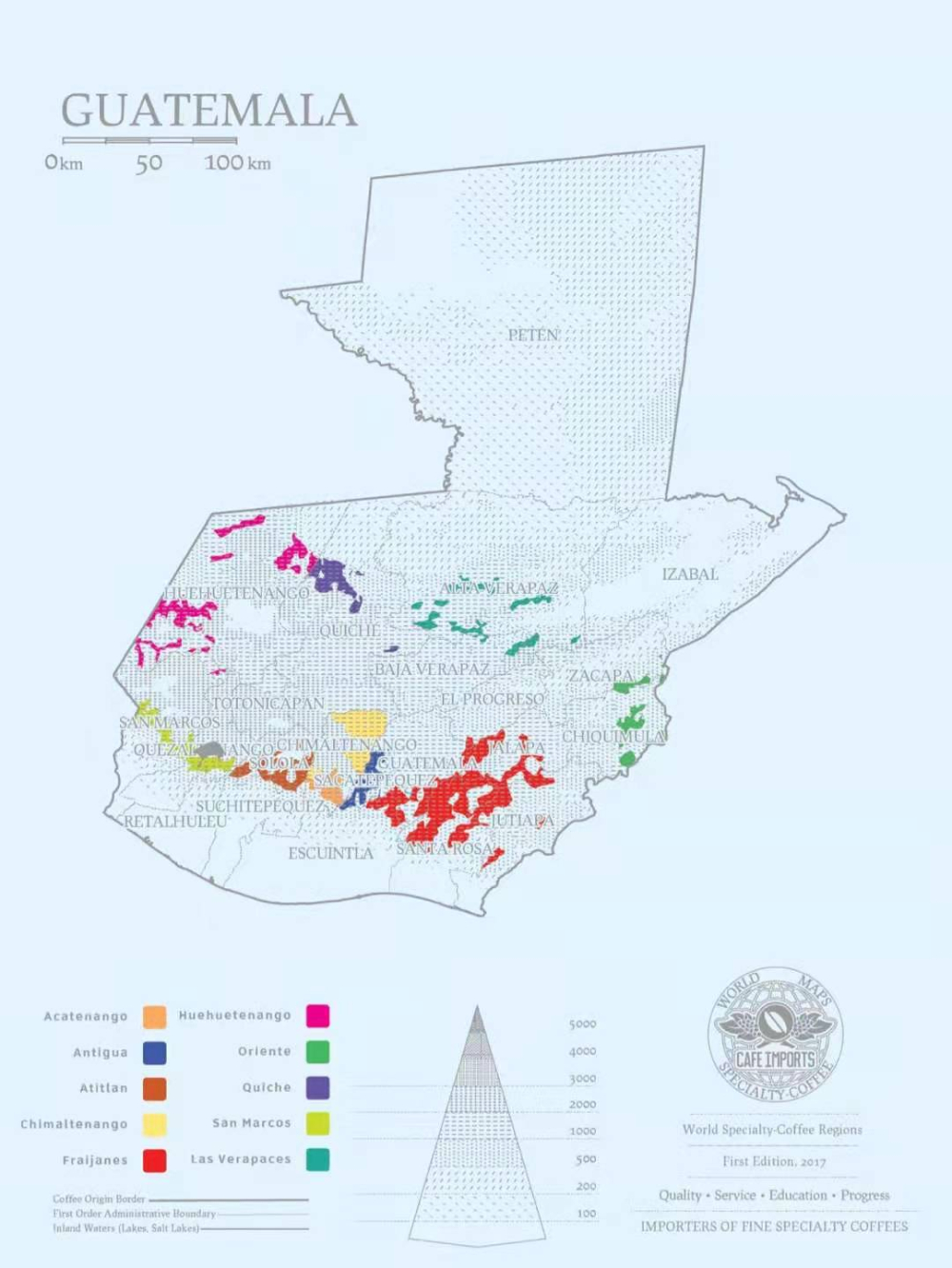
Guatemala is located at the heart of Central America, a predominantly mountainous country with over 30 volcanoes that provide extremely fertile volcanic soil. The terrain includes highlands, tropical rainforests, and coastal plains, among which the central highlands at elevations of 1,300 to 1,800 meters are the golden zone for cultivating strictly hard beans. The region’s climate features distinct wet and dry seasons typical of tropical or subtropical zones, with the dry season (November to April of the following year) being especially conducive to the maturation of coffee cherries. This results in Guatemalan coffee’s balanced sweetness and acidity, along with its rich aroma.
Among the many regions, Antigua and Huehuetenango stand out as representatives of Guatemalan coffee due to their unique microclimates and geographical conditions. The Antigua region is home to the active Fuego Volcano, and its surrounding soil is rich in volcanic ash and various minerals. Coupled with stable temperatures and ample rainfall, it produces coffee beans that are not only plump and hard but also exhibit intense, sweet-and-acidic balanced flavors with a hint of memorable smoky finish.
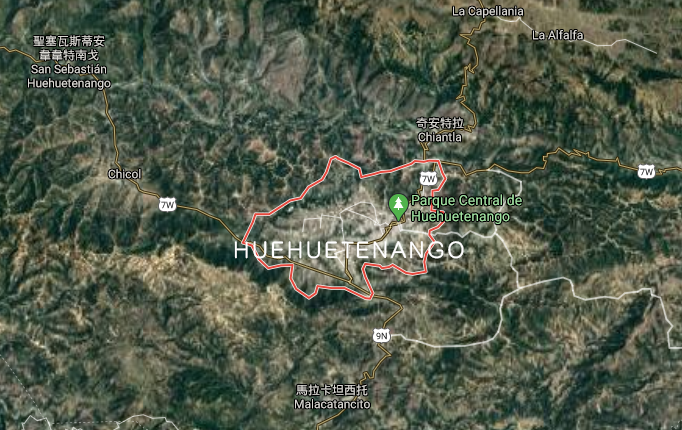
Huehuetenango is Guatemala’s highest-altitude non-volcanic coffee region, with a name derived from Nahuatl meaning “land of the ancients.” Many areas here exceed 2,000 meters in altitude, and the climate is relatively dry with significant day-night temperature variations. Influenced by the dry, hot winds from the nearby Mexican plateau, it supports the cultivation of high-quality coffee with concentrated flavors and frost resistance. Due to its remote location, coffee farmers must process the harvested beans themselves, but fortunately, the abundance of local streams provides favorable conditions for washed processing.
When it comes to processing methods, up to 98% of Guatemalan coffee is processed using the washed method, especially in regions like Huehuetenango where water supply is stable. Washed processing effectively highlights the coffee’s cleanliness and bright acidity. The steps include: first removing unripe beans and impurities, then using a pulper to remove the skin and pulp, leaving seeds coated with mucilage. Next comes the fermentation stage, typically lasting 16 to 36 hours, during which microbes naturally break down the mucilage. This process also generates acids such as citric and malic acid, enhancing the acidity profile. After fermentation, the beans are thoroughly washed and then sun-dried or mechanically dried until the moisture content drops to 12%, ensuring the quality of the green beans.
For pour over enthusiasts, Huehuetenango coffee—with its medium fruit acidity, berry notes, and unique smoky aftertaste—is an excellent bean for practice and tasting. It is recommended to use a Hario V60 filter cone, with a 1:15 coffee-to-water ratio and medium-coarse grind size (around 80% sieved, similar to coarse sugar). Water temperature should be around 91°C. During brewing, start with a 30-second bloom using double the coffee’s weight in water (e.g., 60g water for 30g coffee) to aid degassing. Then pour in a small circular motion until reaching 125g for the first pour, followed by pouring up to 225g before stopping. Allow the V60 to drip through completely before serving. The total extraction time should ideally be around 2 minutes to fully bring out its layered aromas and tastes.
In terms of flavor, Huehuetenango coffee often showcases a refreshing acidity with citrus and berry notes, a rich dark chocolate aroma in the mid-palate, and a subtle smoky and caramel finish. The overall profile is delicate and layered. Meanwhile, coffee from the Antigua region—such as the well-known Guatemalan Finca El Injerto (Flor de Injerto)—is known for its more pronounced citrus acidity, abundant floral notes, and moderate body. The latter part weaves mild caramel and smoky hints, resulting in a smooth mouthfeel and dynamic layers, making it ideal for drinkers who prefer balanced flavors.
In summary, the allure of Guatemalan coffee lies not only in its exceptional geographical environment and meticulous processing methods but also in the unique symphony of smoky aromas and fruity sweet-and-acidic notes in every sip. Whether you’re a beginner in pour over brewing or a coffee enthusiast looking to try something new, gaining a deeper understanding of the characteristics of these regions and brewing techniques will help you appreciate coffee even more—and enjoy every moment of the brewing journey.
The above content is compiled by CoffeeHunters, a coffee news website.


