







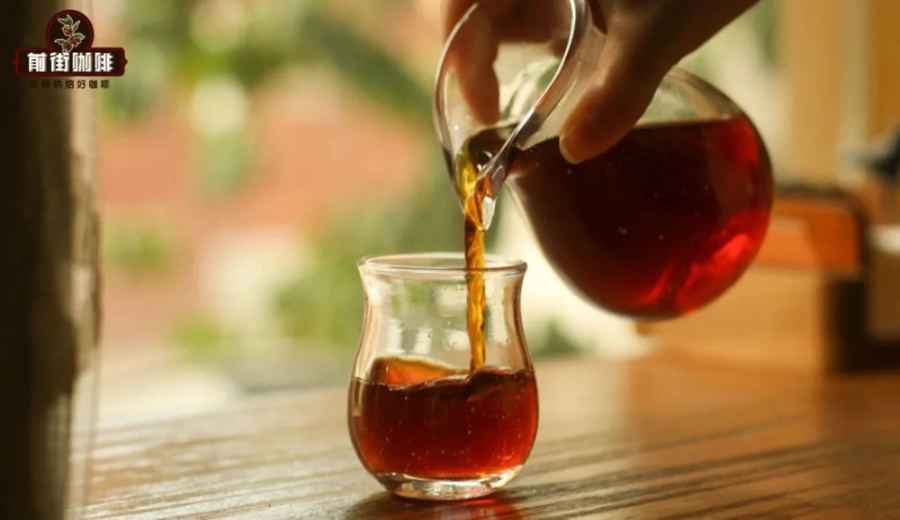
Introduction:Hua Kui coffee beans, with their intense strawberry cream aroma and delicate fruity notes, have become a representative example of natural-processed beans among specialty coffee enthusiasts. This article delves into this natural-processed lot from Ethiopia’s Guji Hambella region, exploring everything from the terroir of the origin, processing methods, to pour over parameters — helping you grasp the unique flavor profile and optimal brewing techniques of Hua Kui.
With its standout strawberry cream flavor and soft floral-fruity notes, Hua Kui coffee beans have risen to prominence in the specialty coffee scene in recent years, becoming a top choice for many coffee lovers wanting to explore natural-processed beans. Sourced from the Hambella Kebele in the Guji zone of Ethiopia’s Sidamo region, these natural beans have not only received accolades in competitions but also showcase a rich and layered mouthfeel through their unique processing method and regional characteristics when brewed using pour over. This article will comprehensively introduce this much-talked-about “King of Blossoms,” covering everything from the producing region, processing technique, competition story, to the best pour over settings.
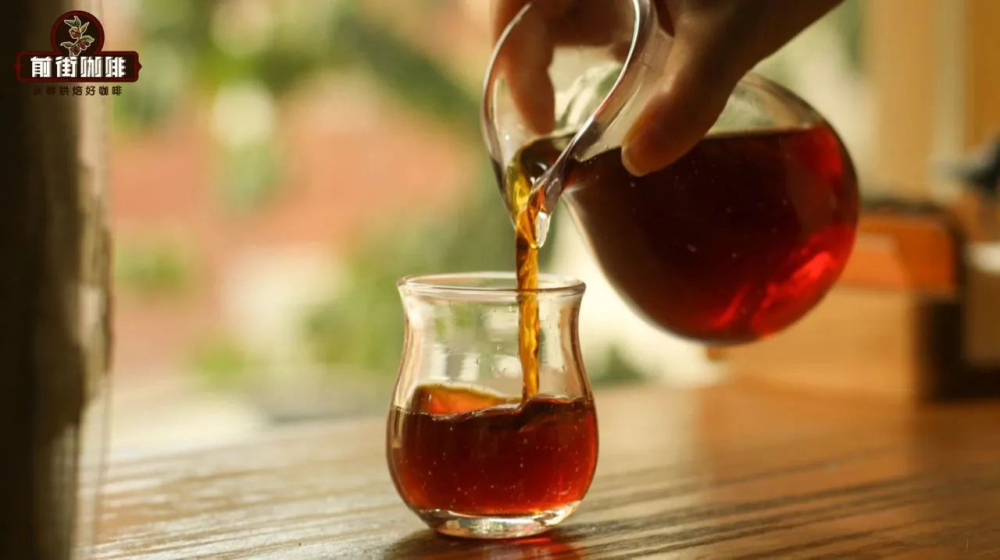 Many novice coffee drinkers, upon first hearing the poetic name “Hua Kui,” are often drawn in by its evocative title. In fact, not only is the name captivating, but the flavor profile also lives up to it, displaying traits as delicate as a flower and as outstanding as a champion. So, what exactly is Hua Kui coffee? And what makes it stand out among so many Ethiopian beans? Let’s start with its place of origin.
Sidamo is located in southern Ethiopia and is renowned for its diverse flavors and unique microclimates, making it a well-known specialty coffee region. Although Yirgacheffe and Guji (Guji) have been administratively separated from Sidamo, the region is still famed for its coffee that boasts intense fruitiness, bright acidity, and bold aromatics. Particularly in terms of aromatic complexity, Sidamo is often considered on par with, or even deeper than, Yirgacheffe — making it highly suitable for those who enjoy a rich flavor experience. Enjoying a cup of coffee from Sidamo in the afternoon, accompanied by soft music, is a truly rare pleasure.
The diversity of Sidamo coffee comes from its vast geographical range and varied soil and microclimate conditions. Within Ethiopia’s administrative divisions, the region can be broken down into Region, Zone, Woreda (district), and Kebele (village or small community). Hua Kui is produced in the Guji zone within the Sidamo region, more precisely in the Hambella Kebele of Shakisso Woreda — an area many coffee aficionados refer to as the “hometown of Hua Kui.” As such, when Hambella is mentioned, many seasoned coffee lovers immediately think of this iconic natural-processed coffee.
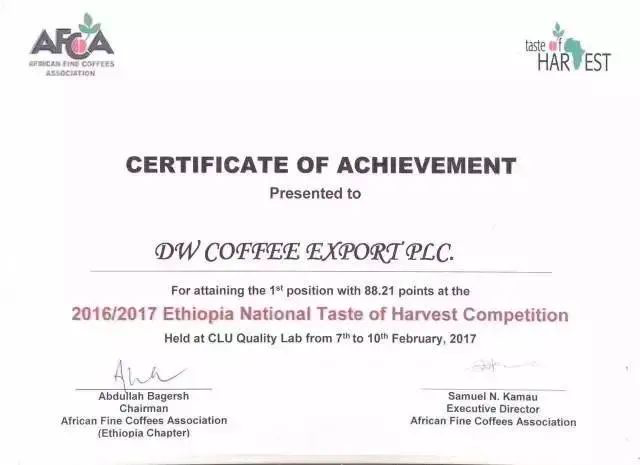
 The name “Hua Kui” actually carries a story of a remarkable comeback. Originally, this Ethiopian natural bean was just one unremarkable entry among many competition lots. However, in 2017, DW Coffee Beans sent it to the TOH (Taste of Harvest) competition, where its standout strawberry cream and fruity-floral aromas helped it secure the championship. The beans were later introduced to the Chinese market, and due to their promising flavor profile, combined with the then-popularity of Geisha beans, they were named “Hua Kui,” meaning “the King of Blossoms,” symbolizing its exceptional status.
Even more impressively, during the same year’s World Brewers Cup China division, contestant Li Jianfei used the same batch of Hua Kui beans to defeat several competitors using Geisha, taking second place. From then on, Hua Kui officially stepped onto the global specialty coffee stage, becoming one of the classic bean varieties representing Ethiopian flavors. And it all started from that high-altitude village called Hambella.
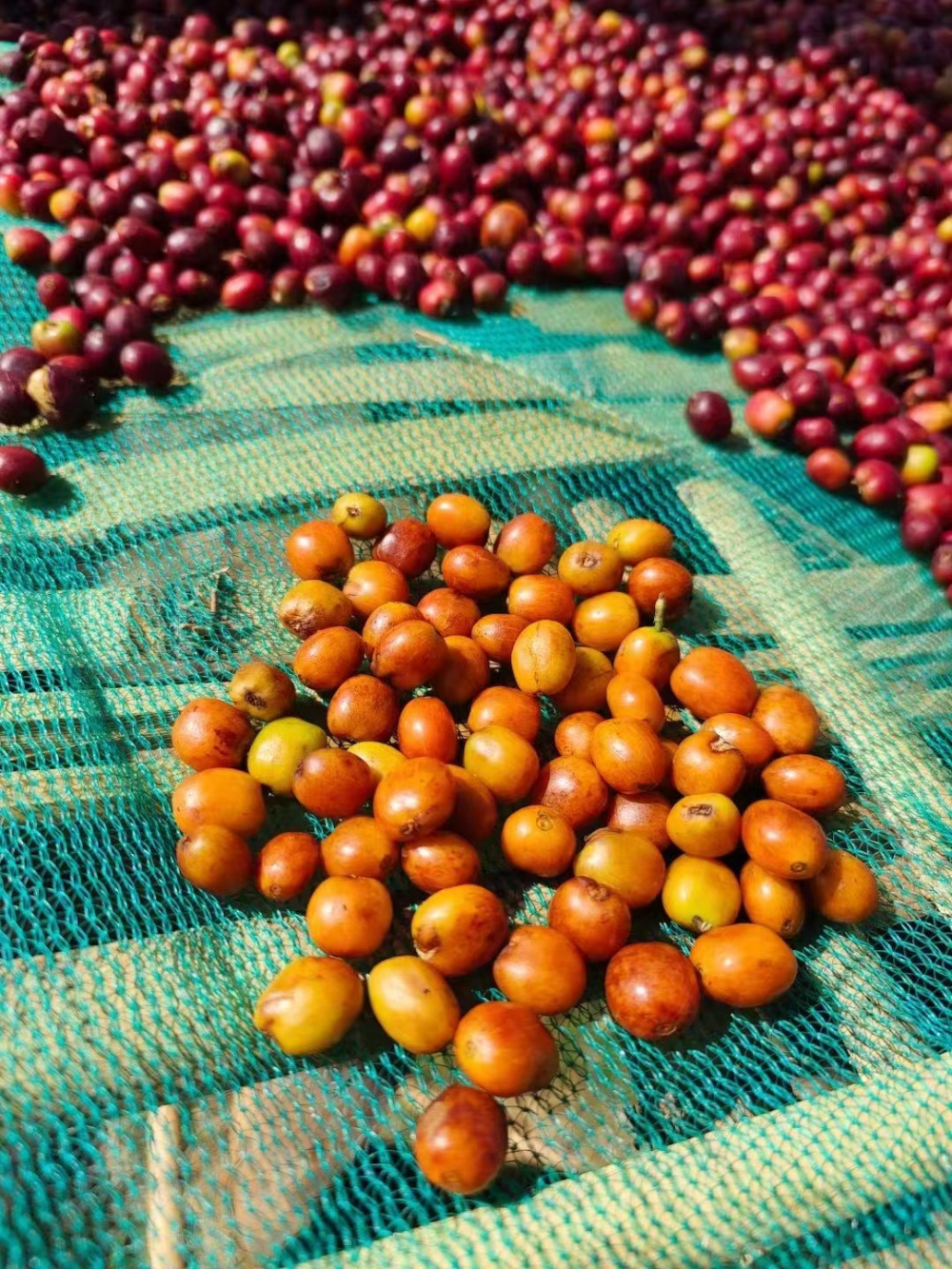
Hambella is one of the highest-altitude coffee-growing regions in the Guji zone, boasting naturally superior conditions. The Hua Kui coffee produced here mainly comes from the Buku Abel farm, which is surrounded by mountains. The soil is nutrient-rich red-brown organic earth, and annual rainfall exceeds 1200 mm, providing ideal growing conditions for coffee cherries. The farm is extremely meticulous about coffee harvesting, selecting only ripe red cherries with a sugar content of over 30% to ensure the quality of the beans used for natural processing.
During the natural processing phase, the Buku Abel farm adopts a series of rigorous steps to fully highlight the coffee’s fruity and sweet characteristics. For the first two days, the farm maintains appropriate moisture levels in the red cherries to promote initial fermentation of the fruit sugars. Due to the high altitude, nighttime temperatures can drop as low as 12°C, helping control the fermentation speed and prevent off-flavors caused by over-fermentation. During strong midday sunlight, shading is applied appropriately to prevent sunburn on the coffee cherries. Throughout the process, only hand-picked fully red cherries are used, and they are placed on African beds for drying. The thickness of the fruit layer is strictly controlled, and the cherries are turned at regular intervals to ensure even ventilation and stable fermentation. If rain occurs at night, thick plastic sheeting is used to protect the cherries. After 18 days of careful natural drying, the moisture content of the green coffee beans is reduced to 13%, followed by a curing period of about 50 days until the ideal moisture content of 10% is reached, making them ready for export and sale.
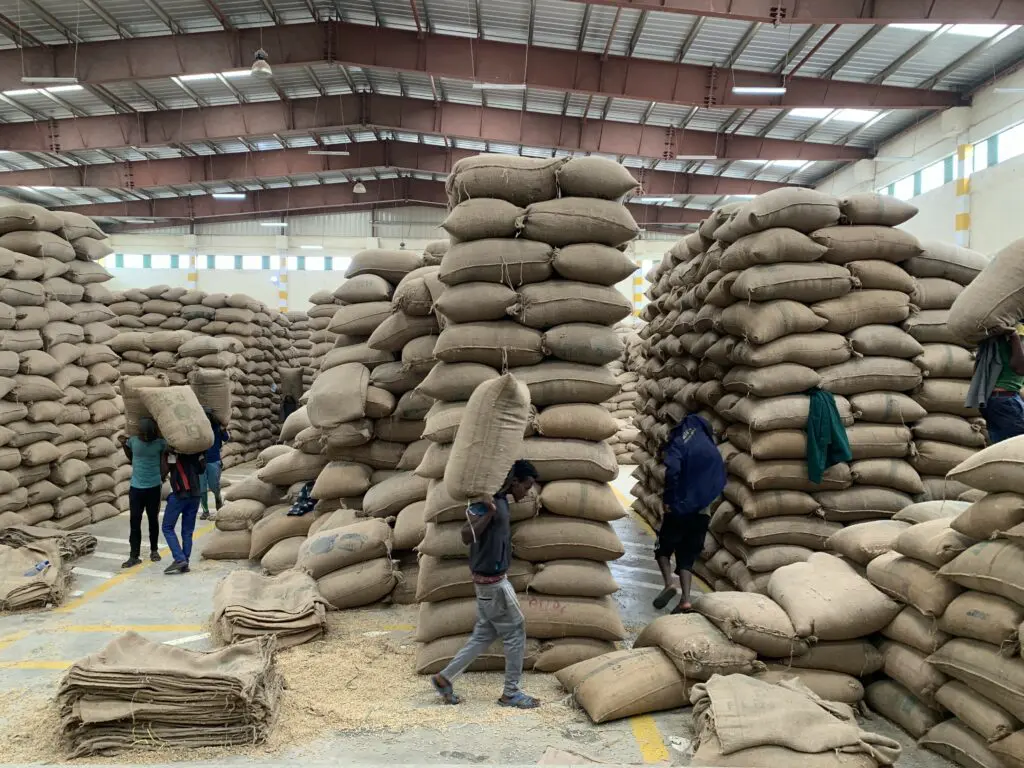
This rigorous processing procedure results in the unique flavor profile of Hua Kui coffee. Cupping experiences at certain coffee shops have shown that this coffee often exhibits pronounced passionfruit, rose floral, and sweet strawberry aromas, with a juice-like smoothness on the palate, making drinkers feel as though they’re in a tropical orchard. This intense yet refined combination of flavors is precisely why Hua Kui is so highly regarded.
As for what constitutes genuine “Hua Kui coffee beans,” simply put, they must come from the Buku Abel farm and be processed using the natural method. Buku Abel means “new land” in the local language. This pristine tribe located on the East African plateau may not have a long history, but it harbors exceptionally promising coffee terroir. Coffee farmers grow coffee among wild forests, often alongside native banana trees, forming a unique agricultural ecosystem.
Interestingly, the naming convention for the Hua Kui series follows the pattern “Hua Kui X.0” to differentiate the years — for example, 2018 was Hua Kui 2.0, 2019 was Hua Kui 3.0, and so on. By 2025, the latest Hua Kui 6.0 has already been released and is expected to arrive in Hong Kong in April. Enthusiasts should keep a close eye out. Currently, the more commonly available versions include Hua Kui 5.0 and Mini Hua Kui. Their flavor profiles differ slightly: the former leans toward the citrusy and berry notes typical of the Guji region, while the latter is closer to the strawberry cream profile of the 2017 champion beans, making it suitable for those who prefer intense fruity aromas.
In terms of grinding and pour over setup, since Hua Kui is medium-light roasted, it is recommended to use a Chinese standard No. 20 sieve, with a filtration rate of around 80%, to highlight its berry and citrus characteristics. For pour over brewing, a water temperature of 90°C and a coffee-to-water ratio of 1:15 are suggested. Using a Hario V60 filter cone can more effectively bring out its bright acidity and layered aromatics. The specific steps are as follows: start with a 30-second bloom using 30 grams of hot water, then pour in a thin stream in circular motions from the center outward until reaching 125 grams for the first pour. When the water level is about to uncover the coffee bed, continue pouring in circles up to 225 grams to finish. The total brew time is approximately 2 minutes, yielding a balanced and layered flavor profile.
The above content is compiled by CoffeeHunters, a coffee news website.


