








Introduction:Kenyan coffee is renowned for its bright acidity and rich berry notes, qualities that stem primarily from the SL-28 and SL-34 varieties and the unique K72 washed processing method. This article delves into the origins of these two legendary cultivars, explores how double fermentation enhances clean acidity, and provides guidance on the ideal roast level, brewing methods for Kenyan coffee, as well as specific parameters for cold brew techniques such as ice drip, cold brew, and iced pour over — helping you unlock the full flavor potential of this African specialty bean.
Kenyan coffee holds a distinctive place in the global specialty coffee market due to its pronounced acidity and vibrant berry character, attributes deeply tied to its unique varietal background and washed processing techniques. In particular, the SL-28 and SL-34 cultivars play pivotal roles in shaping the flavor profile of Kenyan coffee. Additionally, Kenya’s signature “K72 double fermentation washed process” is a key contributor to its clean and bright acidity. This article will detail these elements and further discuss the optimal roast levels for Kenyan beans, recommended brewing methods, as well as practical settings for cold drink preparations like ice pour over, ice drip, and cold brew.

Tracing back to the early 20th century, the development of Kenyan coffee varieties originated from selection and breeding programs undertaken by French and British missionaries and researchers in the region. After a century of adaptation and refinement, these descendants of the Bourbon genetic lineage have successfully acclimated to the high phosphate content in Kenyan soils, resulting in unique acidic and aromatic traits that set them apart from their Central or South American Bourbon counterparts. Today, the majority of Kenya’s top-tier coffees come from the SL-28 and SL-34 varieties. These cultivars not only form the soul of Kenyan coffee but also often fail to reproduce their original flavors when transplanted to Asia due to differences in climate and soil.
When it comes to specialty coffee, variety is often the foremost factor influencing flavor expression. The reason Kenyan coffee stands out in the global market lies in the two classic cultivars: SL-28 and SL-34. The “SL” stands for Scott Laboratories, or 斯科特实验室 in Chinese. In the 1930s, this laboratory was commissioned by the Kenyan government to develop coffee varieties suited to the local environment, with commercial viability and suitability for large-scale cultivation. SL-28 and SL-34 were the most representative outcomes of this initiative. These two cultivars are not only highly resistant to disease but also exhibit highly distinctive acidity and complexity.

Kenyan coffee is predominantly processed using the washed method. Through careful processing and roasting, it fully showcases its characteristic bright acidity notes of lemon, citrus, and grapefruit, delivering a refreshing and layered flavor profile. Among these, the iconic “K72 double fermentation washed process” is central to achieving the clean acidity and high clarity that define Kenyan coffee. The core of this method involves subjecting the coffee beans to two complete fermentation cycles, with the entire process typically taking at least 48 hours, and sometimes as long as 72 hours.
The K72 washed process begins with the flotation of coffee cherries to remove unripe and under-density defective beans. The pulp is then removed, and the parchment-covered beans are placed in the upper fermentation tank of the washing channel for an initial fermentation lasting about one night. This stage can involve either traditional tank fermentation or dry fermentation. Fermentation time is significantly influenced by ambient temperature — the higher the temperature, the faster the fermentation progresses. After fermentation, the beans are washed to remove most of the mucilage, then transferred to the lower clarification tank for a second fermentation lasting approximately 36 hours. It’s important to regularly change the circulating water during fermentation to prevent microbial growth that could spoil the beans. After the second fermentation, the beans are washed again to remove residual mucilage. The total time for fermentation and washing is at least 48 hours, and with proper control, can be extended to 72 hours to achieve even richer flavor expression.
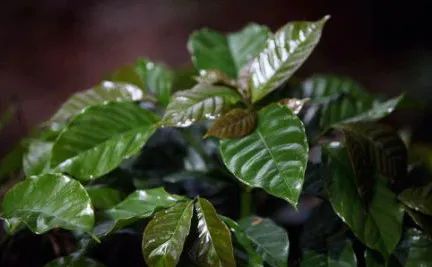
This double fermentation washed process effectively enhances the coffee’s acidity and overall cleanliness. During fermentation, the concentration of acetic acid in the beans gradually increases, thereby intensifying flavor clarity and layering. When paired with an appropriate roast level, Kenyan coffee can express highly recognizable berry flavors such as blackcurrant and grapefruit, and may even carry subtle notes reminiscent of cherry tomatoes. A notable example is beans from the Assalia processing factory at a certain café, which have garnered praise for their prominent and uplifting acidity.
With its pronounced acidity and standout berry flavors, Kenyan coffee is particularly well-suited for those who enjoy acidic black coffee. Such coffees are best processed with a light to medium-light roast to preserve their inherent characteristics to the fullest. If you’re a fan of bright, fruity coffee, consider trying Kenyan “little tomato” beans — their flavor profile truly shines when brewed using cold methods like iced pour over, ice drip, and cold brew. These brewing techniques further highlight the coffee’s refreshing acidity and complex fruitiness, making them excellent choices for summer or anyone seeking a clean, vibrant cup.
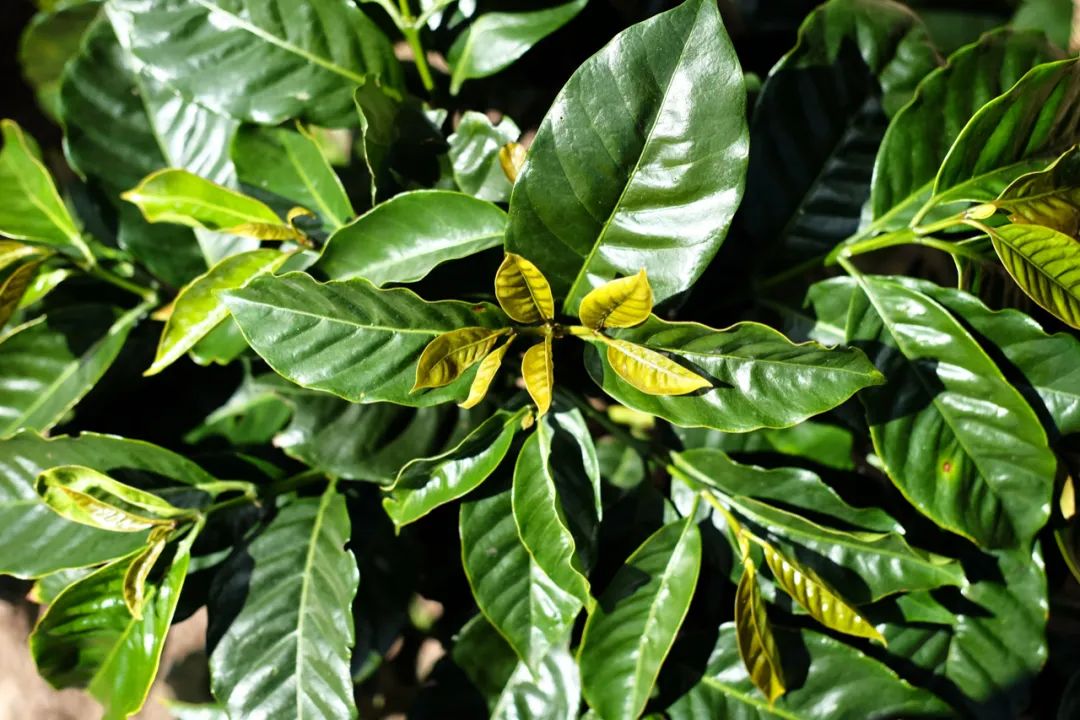
Take iced pour over as an example: a standard practice by a certain brand involves using 15 grams of coffee grounds with a 1:10 coffee-to-water ratio, and a water temperature of 91°C, ground to a medium-coarse consistency (approximately 80% passing through an 0.85 mm sieve). The extraction begins with a low ratio and high concentration, after which the extracted coffee is poured into a server preloaded with 100 grams of ice for dilution. To prevent the ice from melting too quickly and overly diluting the coffee, it’s recommended to pre-chill the server and replace the ice just before pouring in the coffee. In terms of flavor, iced pour over results in a strong and bold initial taste due to the low extraction ratio, which gradually becomes cleaner and more balanced as the ice melts, shifting the flavor profile from intense to refreshing.
As for ice drip coffee, it is recommended to use 60 grams of coffee grounds to produce 600 milliliters of coffee, maintaining a 1:10 powder-to-water ratio. The dripping rate should be controlled at 3 drops per 10 seconds, using an ice-water mixture in the upper chamber. The total extraction time is around 8 hours. Once brewed, the coffee is best stored in a bottle and refrigerated for 48 hours to allow flavors to develop and integrate.
Cold brew coffee follows a slightly different method. It is recommended to use 50 grams of coffee grounds with a 1:10 ratio, combining the grounds with 400 milliliters of room-temperature cold water and 200 grams of hard ice (totaling approximately 600 grams of ice-water mixture), stirring thoroughly before sealing and refrigerating for 24 hours. Afterward, the coffee grounds are filtered out using paper filters, and the resulting liquid is bottled and refrigerated for another 32 hours to allow further flavor maturation. The resulting Kenyan cold brew features soft acidity and pronounced fruitiness, making it an excellent choice for hot weather or for drinkers who prefer a low-acid, clean-tasting cup.


The above content is compiled by CoffeeHunters, a coffee news website.


