







Introduction:If you're just stepping into the world of coffee, are you confused by the three common forms—instant coffee, drip bags, and pour over? This article delves into their differences in production methods, brewing techniques, flavor profiles, and health impacts. Not only will it help you understand which scenario each is best suited for, but it also provides practical brewing tips and precautions for drip bags so you can make smarter choices in your daily coffee routine.
Many coffee newcomers often confuse instant coffee, drip bags, and pour over available on the market, unsure of what sets them apart. In reality, these three coffee formats differ significantly not only in how they’re made, but also in flavor expression, convenience, and health aspects. This article will start with the production principles, compare their brewing methods and final coffee experiences, and supplement with useful tips to help you find the type of coffee that best suits your needs.
Let’s first talk about instant coffee. This type of coffee originated in 1937 when the Swiss company Nestlé developed it at the invitation of the Brazilian government. Initially, the "spray drying method" was primarily used, where hot air was used to atomize the extracted coffee liquid and rapidly remove moisture, resulting in easily dissolvable coffee powder. This process drastically reduced production costs and laid the foundation for the mass production of instant coffee that followed.
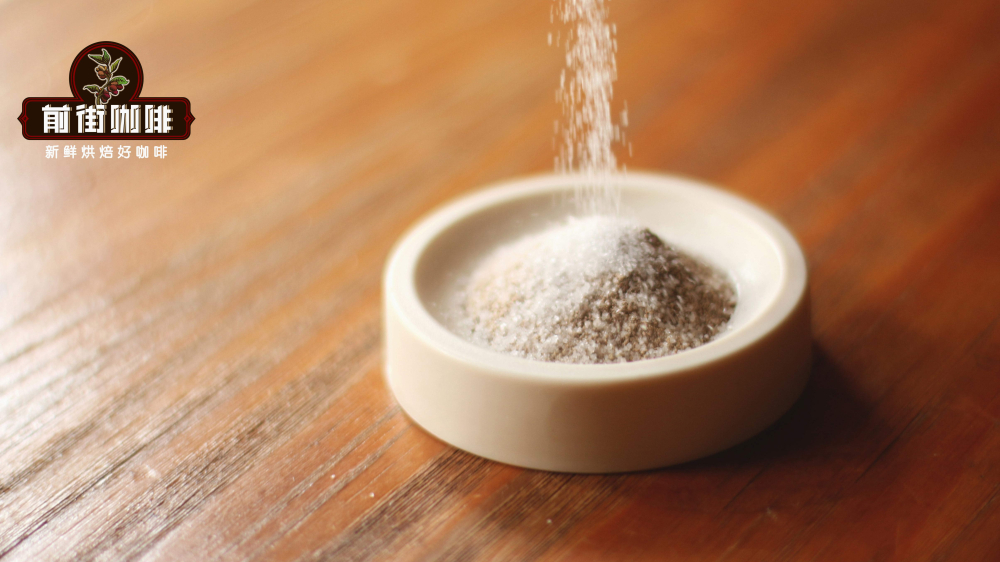
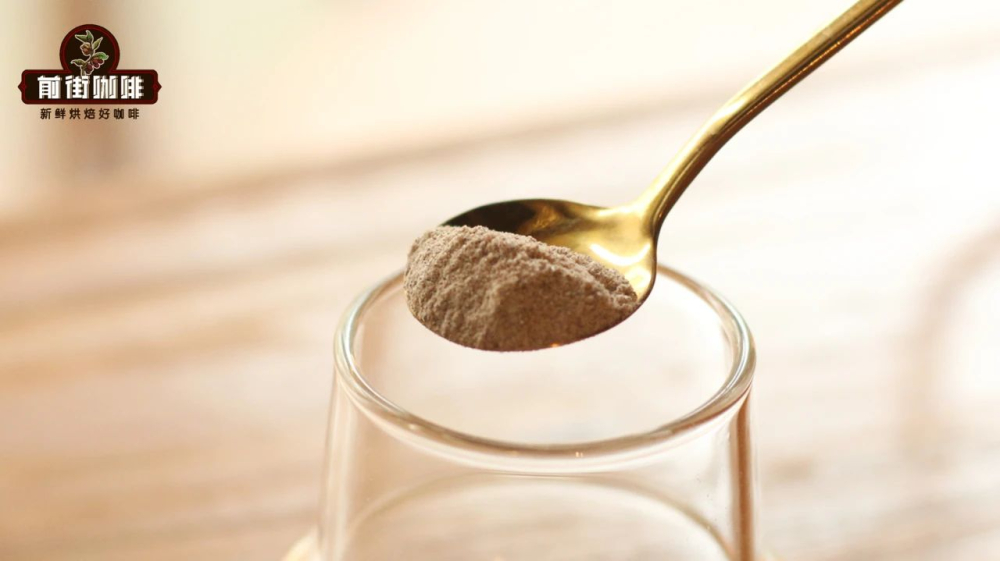
The biggest advantage of instant coffee is its convenience—you just add hot water and it's ready quickly. However, early versions often used low-quality coffee beans, and dark roasting was commonly employed to mask bean flaws, leading to flavors that leaned toward burnt bitterness and carbonization. To improve taste, manufacturers often added large amounts of sugar and non-dairy creamer, creating the so-called "three-in-one" instant coffee. While this made the taste smoother, it sacrificed the original flavors of coffee. Moreover, regular consumption may pose health risks, so moderate intake is recommended.
In contrast, drip bags offer a compromise, combining convenience with better extraction quality. The prototype of drip bags can be traced back to 1990, invented by Japan’s Yamasan Industry Co., Ltd., inspired by tea bag design. The basic concept involves placing pre-ground coffee powder in a non-woven fabric filter bag, which is then suspended over the rim of a cup using two "ears" on either side, allowing hot water to evenly drip through the coffee grounds and mimic the effect of pour over filtration.
By 2002, drip coffee bags were officially patented and launched in Japan. Due to their simplicity and lack of need for complex equipment, they quickly gained popularity among busy urbanites. To use a drip bag, you only need hot water and a cup. Hang the filter bag over the cup, pour water in sequence, and then remove the bag to enjoy a cup of black coffee. Compared to instant coffee, drip bags better preserve the original aroma and layered flavors of coffee.
Pour over coffee, on the other hand, is a brewing method that emphasizes technique and detail. The basic process includes grinding coffee beans, loading the coffee, pouring water, and filtering out the coffee liquid—each step affects the final extraction result. Pour over typically requires tools such as a pour over kettle, dripper, filter paper, server, grinder, scale, and thermometer, which can be a higher barrier for beginners. However, by precisely controlling water temperature, pouring speed, and grind size, one can fully showcase the regional characteristics of the coffee beans and the flavors from their processing method.
Whether you choose drip bags or pour over, the freshness of the coffee beans is a key factor influencing flavor. It’s recommended to use beans roasted within 4 to 30 days, as this period is considered the optimal flavor window, showcasing the most vibrant aromas and balanced acidity and sweetness. Freshly roasted coffee beans not only have vivid flavors but also improve extraction efficiency, helping avoid dull or astringent tastes.
For actual brewing with drip bags, here’s a simple and practical operation guide: Take a 10g Mandheling drip bag as an example. The recommended total water volume is about 150g, yielding approximately 120–130ml of coffee liquid. First, boil the water, tear open the outer bag of the drip pack, cut along the dotted line to open the non-woven filter bag, unfold both ear loops, and securely hang them on the rim of the cup.
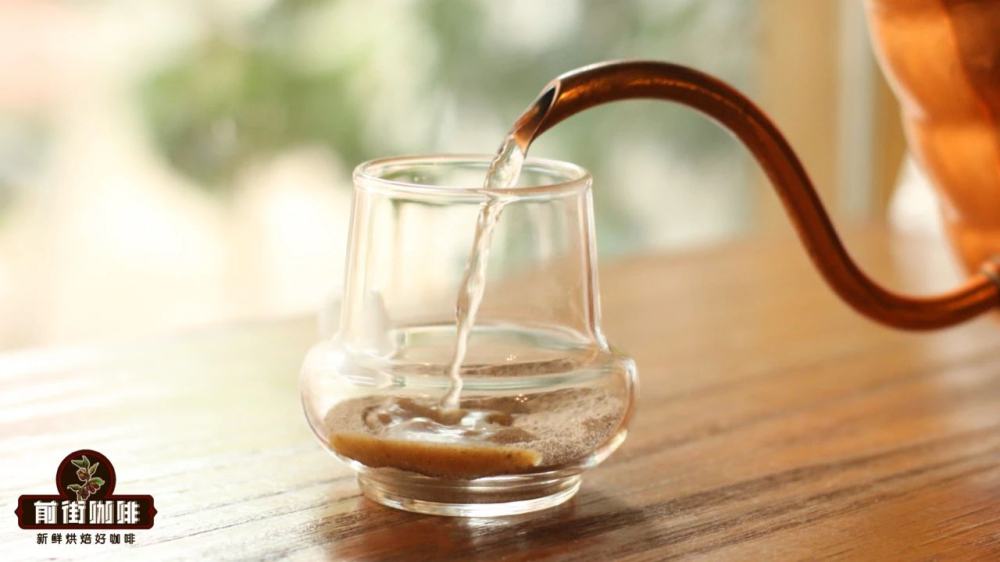
The first step is to pour a small amount of hot water (about 30g) to evenly wet all the coffee grounds. Let it bloom for about 10–20 seconds. This helps release carbon dioxide and lays the foundation for stable extraction afterward. Then, steadily pour the second batch of water in a thin stream until the liquid level nears the rim of the cup, letting the coffee liquid drip naturally. Finally, add the third batch of water until the total water volume reaches 150g. Once all the coffee liquid has dripped through the bag, the brewing is complete.
The brewed Mandheling drip coffee usually has a rich, caramel-and-cream-like body, with distinct layers and a naturally sweet aftertaste. It’s perfect for those who enjoy strong black coffee. Of course, if you prefer a milder flavor, you can also adjust with a small amount of sugar or milk according to personal taste. With the correct brewing method and parameters, you can easily enjoy a nearly professional-level pour over coffee experience at home.
The above content is compiled by CoffeeHunters, a coffee news website.


