







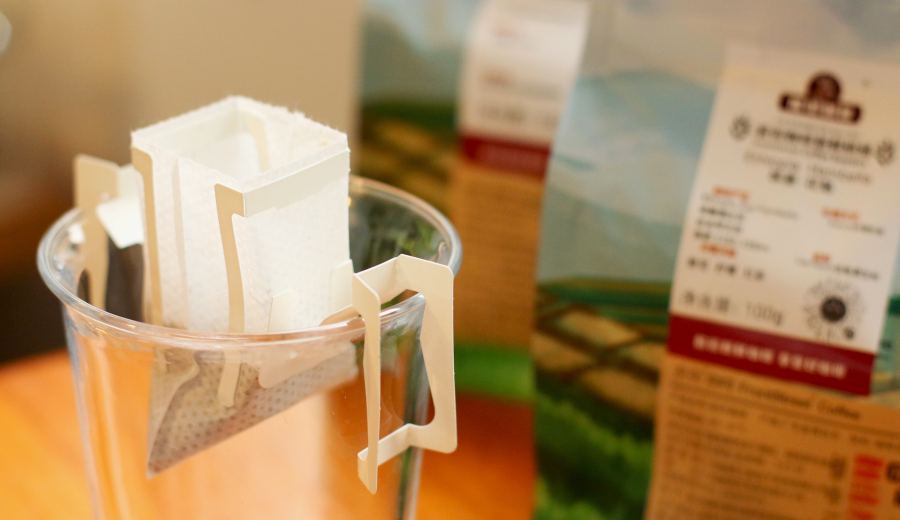
Introduction:Drip bags combine the precision of pour over with the convenience of ready-to-drink, making them a top choice for many busy coffee lovers. But brewing a well-balanced cup actually involves quite a bit of know-how. This article dives deep into the brewing principles of drip bags, guiding you step-by-step through key techniques like blooming, pulse pouring, and brew ratio—with practical parameter suggestions using the common 10g pack as an example. It also analyzes flavor profiles across different origins to help you find the drip bag type that best suits your taste.
A drip bag is a brewing format where freshly ground coffee is sealed in a special filter pouch, combining portability with the flavor of drip brewing—an easy way for modern coffee drinkers to enjoy pour over-style coffee. Compared to instant coffee, drip bags preserve more of the beans’ original aromas and layered complexity, whether enjoyed straight or with milk for added flavor.
The active compounds in coffee offer multiple health benefits. According to relevant studies, moderate consumption of black coffee can boost energy, enhance metabolism, and even positively impact cardiovascular health. However, intake should be moderated—generally no more than two cups per day. A standard 10g drip bag yields about 150ml of coffee, and excessive consumption may lead to palpitations or affect sleep quality.
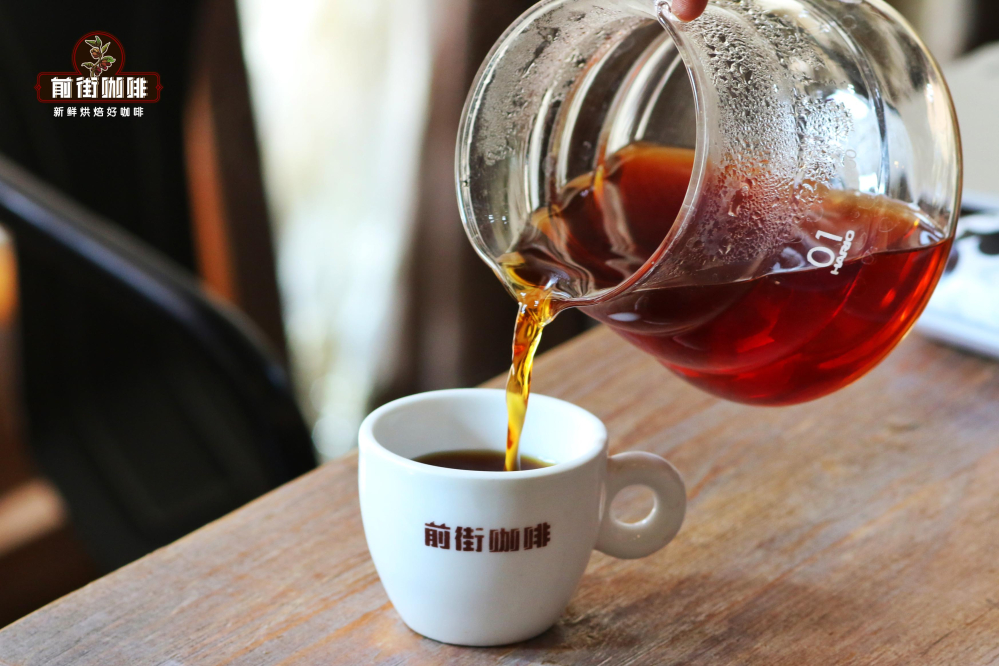
The brewing principle of drip bags is similar to pour over, both relying on controlling water temperature, flow rate, and contact time to extract the ideal flavor compounds from the coffee grounds. As such, even at home, you can replicate a nearly professional pour over taste through simple steps. The key lies in understanding the science behind each step, including the role of blooming, the path and purpose of pulse pouring.
To brew a great-tasting drip bag coffee, the first requirement is to use freshly roasted product. After roasting, coffee beans continue to release carbon dioxide while their flavor compounds slowly oxidize over time. Ideally, the shorter the time between roasting and brewing, the better—freshness directly affects aroma intensity and flavor layering. Commercial drip bags usually indicate the roast date; it’s recommended to choose products roasted within one week for optimal flavor.
Coffee beans from different origins have distinctly varied flavor profiles. Those who enjoy bright acidity and floral notes might try a medium-light roasted Ethiopian Yirgacheffe, known for its citrus character and tea-like aftertaste; those preferring a balanced, mellow cup can opt for a medium-roasted Brazilian with its nutty, buttery notes as a safe bet; and if you crave a bold, rich experience, an Indonesia Mandheling with medium-dark roast delivers complex layers of spice, dark chocolate, and caramel.
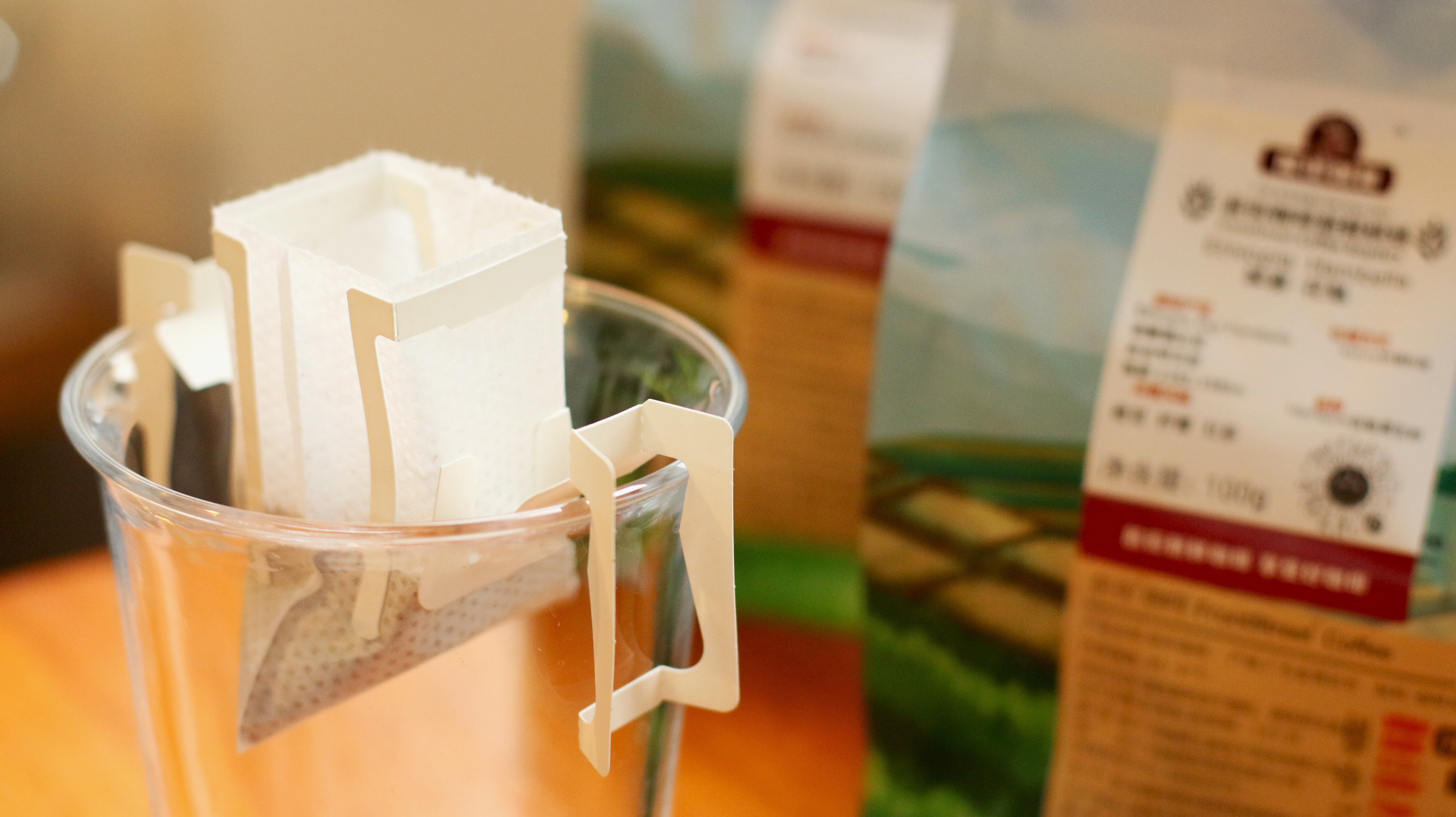
The correct way to brew a drip bag is entirely different from steeping a tea bag—never just drop the pouch into your cup and soak it. First, tear the drip bag open along the dotted line, gently unfold the two “little ears” on either side, and securely hang it on the rim of your cup. A straight-sided cup with a moderate opening is recommended to ensure water doesn’t overflow the filter pouch during brewing.
Water temperature control is a key factor affecting extraction efficiency, with the ideal range between 86–93°C. Without a thermometer, let boiled water sit for 2–3 minutes before use. The standard brew ratio is 1:15—that is, 10g of coffee grounds to 150ml of hot water. This ratio achieves a balanced strength and can be slightly adjusted based on personal preference.
In practice, it’s recommended to start by pouring about 20g of hot water to bloom, wetting all the coffee grounds and letting it sit for 20 seconds—this step awakens the aromatic compounds in the grounds. Then proceed with a four-stage pulse pour: the first stage involves pouring in a circular motion from the center outward, gradually expanding to the edges of the filter pouch, keeping the water flow steady; repeat this action, pausing briefly after each pour to allow the water and grounds to fully interact. Keep the total water volume around 150ml; if you prefer a stronger, more concentrated cup, reduce it to 130ml.
Once all the hot water has filtered through, remove the drip bag, gently swirl the coffee in the cup to even out the flavors, and enjoy. Depending on personal taste, you can add milk, sugar, or spices to adjust the flavor profile and create your own ideal coffee experience.
The above content is compiled by CoffeeHunters, a coffee news website.


