







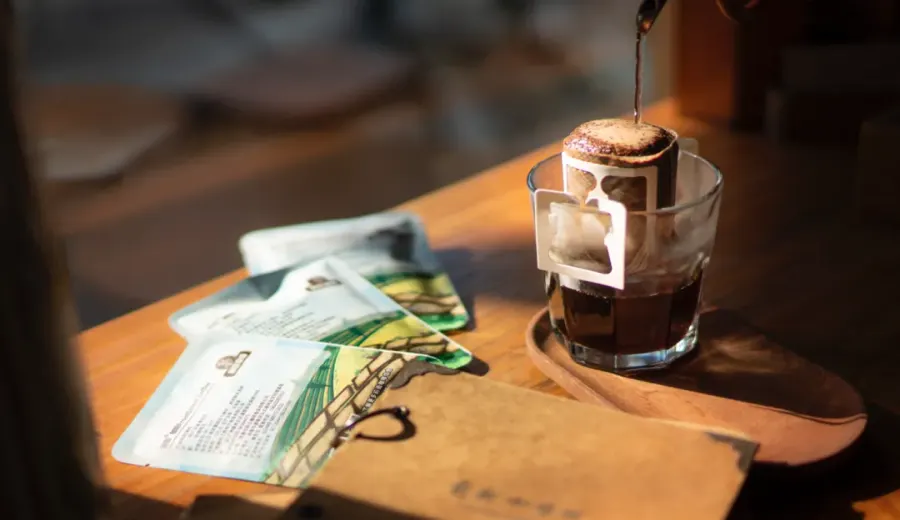
Introduction:Can you use drip bags to make a latte? The answer is yes. While it may not fully replicate the intense flavor of an espresso, with proper brewing techniques and parameter adjustments, you can still brew a flavorful milk coffee at home. This article will introduce three practical methods: stirring extraction, stovetop brewing, and cold brew. We’ll detail each method’s water temperature, coffee-to-water ratio, brewing process, and recommended coffee beans to help you easily master the basics of drip bag lattes.
Many coffee enthusiasts wonder if drip bags can also be used to make lattes. The answer is yes, but some adjustments are needed. Although drip bags can’t achieve the high-pressure extraction of an espresso machine and thus can’t produce standard espresso, you can still extract a sufficiently concentrated coffee liquid using some special techniques to create a rich-tasting milk coffee.
This article will guide you through three practical brewing methods: stirring method, stovetop method, and cold brew method. It will also explain the key parameters of each method, including water temperature, coffee-to-water ratio, operation details, as well as their pros and cons. Additionally, we’ll recommend several medium-to-dark roasted drip bag coffees that are suitable for making milk coffee, allowing you to customize your own unique drip bag latte based on personal preference.
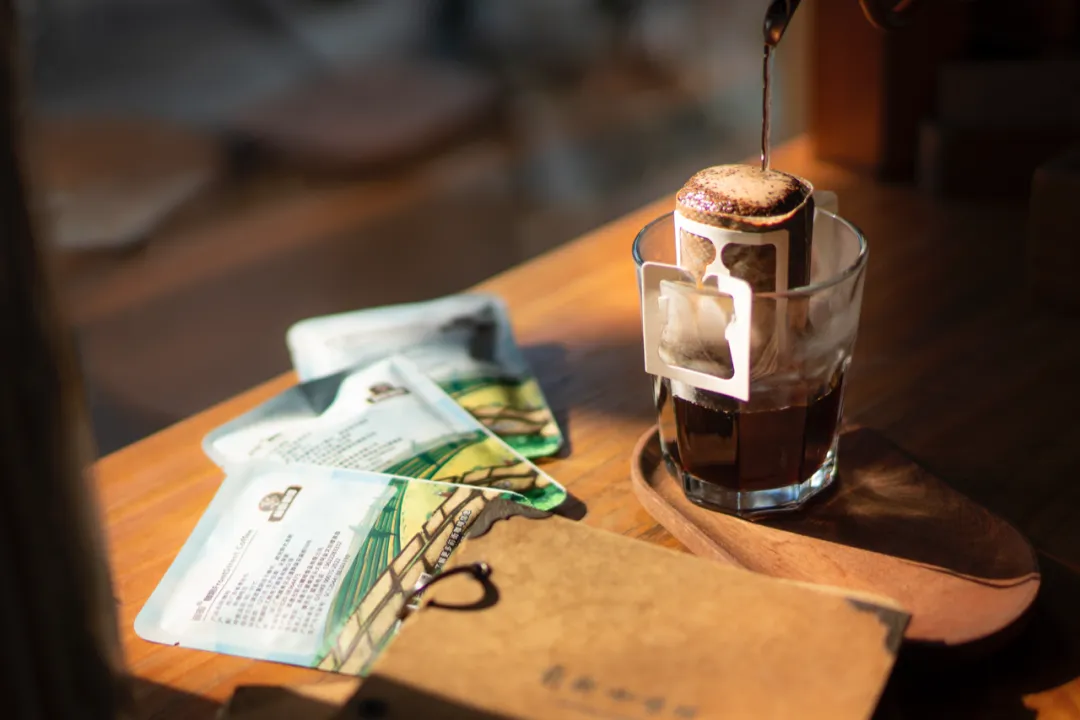
Recently, as the holidays approach, the demand for drip bags has significantly increased, and so have related questions. One common question is, “Can drip bags be used to make lattes?” Simply put, if you’re aiming for a standard café-style espresso-based latte, drip bags may indeed struggle to deliver. However, if you just want a flavorful and smooth milk coffee, it’s actually not difficult to achieve with the right method.
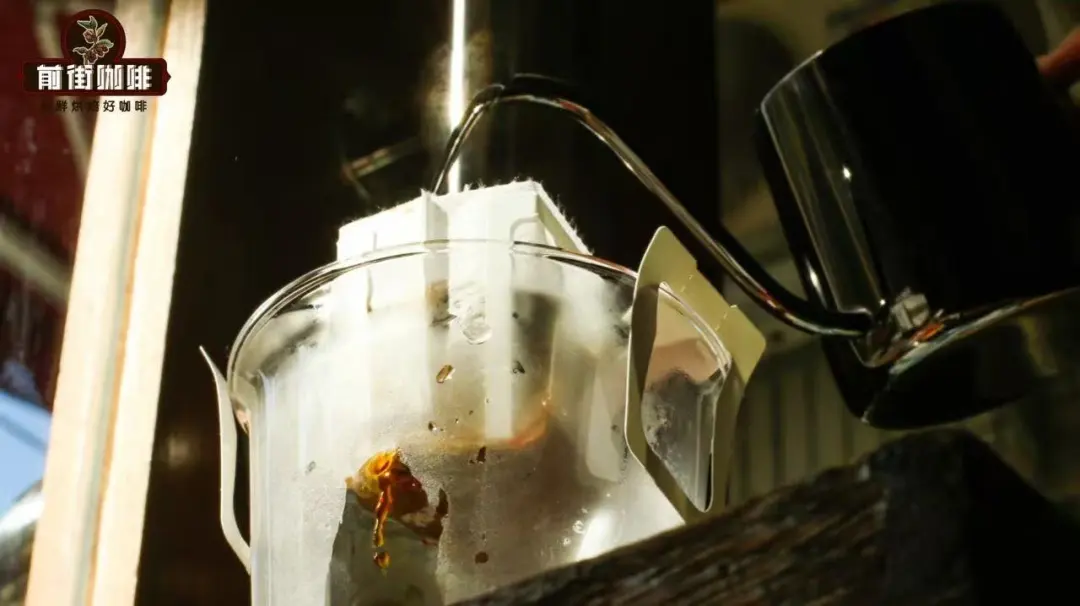
To successfully make a decent drip bag latte, the first thing to understand is that you should not brew the drip bag directly with milk. Milk itself has a high concentration and is not suitable as an extraction solvent, as it can severely affect the release of coffee flavors. The correct approach is to change the brewing method: first extract a concentrated coffee liquid, then mix it with milk.
In terms of bean selection, it’s recommended to prioritize medium-to-dark roasted single-origin drip bags. For example, those with creamy or peanut-like notes, or those that are low-acid, full-bodied, and balanced. These flavor profiles pair better with milk and showcase richer layers of taste.
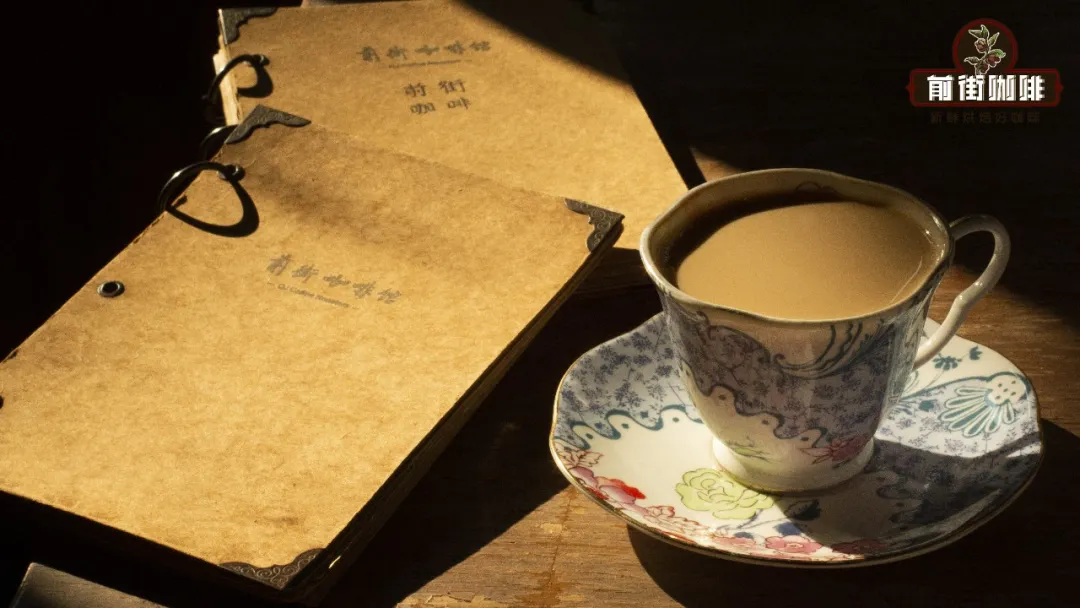
Method one: Stirring extraction. This is the easiest method to operate and the most reliable way to consistently extract a concentrated coffee liquid. The key lies in “vigorous stirring,” which increases the contact and mixing between coffee grounds and water, accelerating flavor release. Even under normal atmospheric pressure, this allows you to extract a sufficiently concentrated coffee with less water.
It’s recommended to use medium-to-dark or dark roasted drip bags, such as Indonesian Mandheling or Brazilian Cerrado. These beans have bold flavors and pair well with milk. For the operation, you can combine two 10g drip bags for a total of 20g of coffee grounds, using a 1:4 coffee-to-water ratio (i.e., 80ml of water), brewed with 100°C hot water for about 2 minutes.
First is the blooming stage: pour about 30ml of hot water and immediately stir the coffee grounds with a stirring stick to ensure all grounds are evenly saturated and CO₂ is released. Then, pour the remaining 50ml of water in stages, stirring continuously after each pour until all the water has fully penetrated. This will yield approximately 47ml of highly concentrated coffee liquid, with a concentration of about 6.95% and an extraction rate of about 17%, making it very suitable for blending with milk.
Finally, add milk according to personal taste. A recommended coffee-to-milk ratio is about 1:3. For example, 47ml of coffee liquid can be paired with 148ml of milk, resulting in a balanced flavor without being overly diluted.
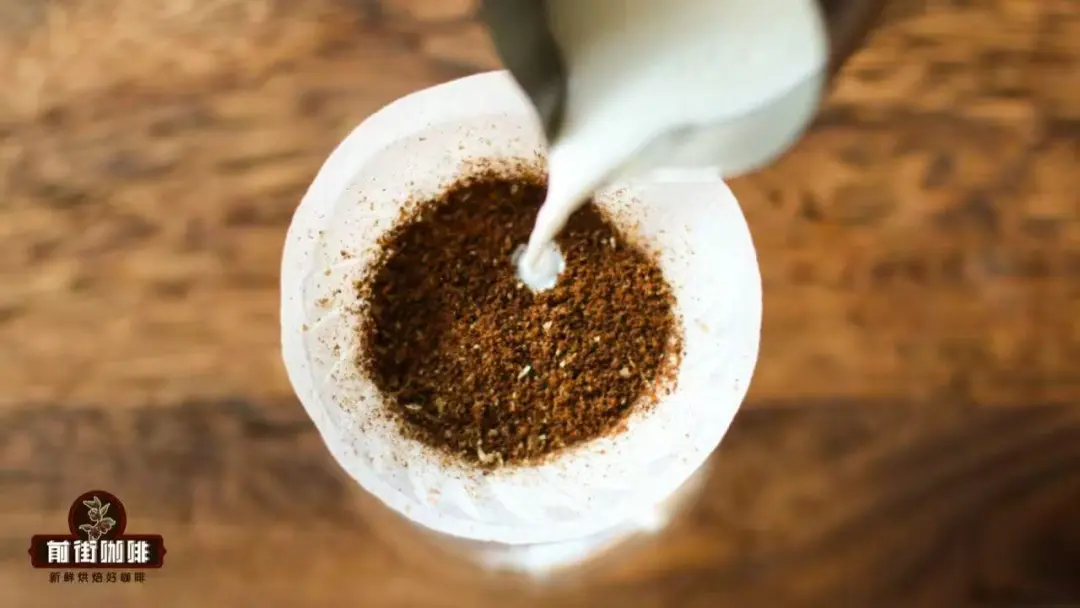
Method two: Stovetop brewing. This method involves combining the drip bag coffee grounds with milk in a pot, mixing them at a 1:5 ratio, bringing it to a boil, then simmering over low heat for about 2 minutes while stirring constantly to prevent overflow. While this method can also produce a milk-flavored coffee liquid, it has a few drawbacks: first, some flavor compounds in the milk can be destroyed at high temperatures, potentially reducing sweetness and mouthfeel; second, the process is more cumbersome, requiring filtration afterward. Drip bag filters do not filter milk easily and may need extra tools, making cleanup more troublesome.
Therefore, unless necessary, it’s recommended to prioritize the other two methods.
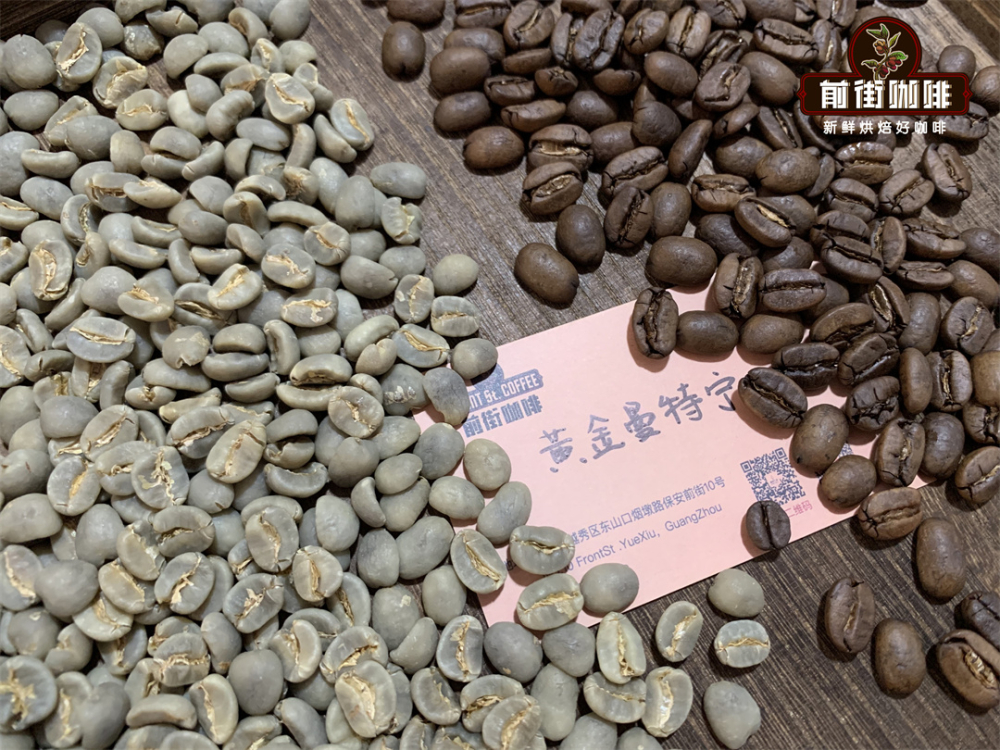
Method three: Cold brew. This method is very simple: just place the entire drip bag and milk into a sealed container, let it steep for at least 8 hours, and then remove the drip bag the next day for drinking. This method relies on prolonged steeping to allow the milk to slowly dissolve the coffee flavors, making it suitable for coffee lovers who prefer to prepare in advance and are not in a rush.
The biggest advantage of this method is that it’s time-saving and effortless, but the downside is the long production cycle and relatively mild flavor development compared to hot water extraction. It’s recommended to use room temperature or chilled milk, also at a 1:5 ratio. With a low barrier to entry, it’s ideal for beginners to try.
The above content is compiled by CoffeeHunters, a coffee news website.


