







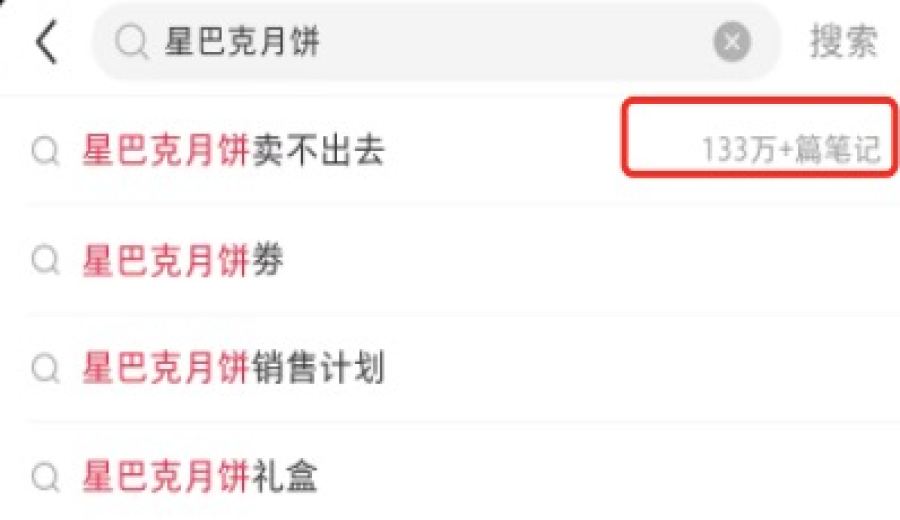
Introduction:On the eve of the Mid-Autumn Festival, Starbucks employees once again find themselves under immense pressure to sell mooncakes. Social media discussions on the topic have accumulated over 1.33 million posts, with numerous employees voicing their grievances publicly, some even willing to sell the mooncakes at heavily discounted prices. This article delves into the underlying reasons behind Starbucks’ recurring mooncake sales struggles—from employee stress and product positioning to market competition—exploring potential future adjustments and offering a practical observational perspective.
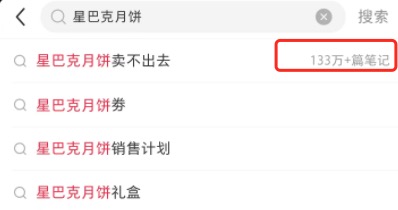
As the Mid-Autumn Festival approaches, the mooncake sales targets assigned to Starbucks employees have once again become a focal point. On social media platforms, discussions related to “Starbucks mooncake sales difficulties” have surpassed 1.33 million posts, the vast majority of which come from frontline staff. Many have expressed that the pressure to sell mooncakes is overwhelming, with some even offering promotions such as “deep discounts” or “free gifts with purchase” just to meet their KPIs.
It is understood that Starbucks sets annual sales targets for mooncake gift boxes for each store, a task often regarded by employees as one of the year’s “nightmares.” From the pre-sale period onward, the company assigns specific sales goals to each outlet. If these targets are not met, store management and employees must absorb the unsold inventory themselves. Some employees revealed that certain stores even require part-time student workers to participate in the sales push, further intensifying pressure at the grassroots level.
Firsthand employee experiences: From scolding to self-purchasing
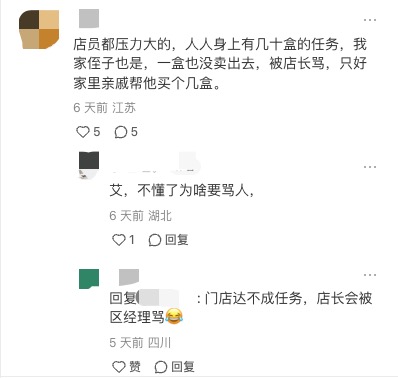
One netizen shared that their nephew, who works at Starbucks, was reprimanded by the store manager for not selling a single box of mooncakes. In the end, family members had to step in and buy several boxes to ease the embarrassment. The manager reportedly pressured the staff because if the store failed to meet its target, the regional manager would also criticize the store manager. Such cases are not isolated. Although Starbucks has officially denied forcing employees to buy mooncakes, the phenomenon of internal pressure trickling down and grassroots staff being compelled to share the burden remains widespread.
Last year, media reports indicated that Starbucks required stores to sell at least 25 boxes of mooncakes on the first day of sales, with employees having to cover the cost themselves if the target wasn’t met. Although the company quickly clarified that this was the action of an “individual store,” many employees reported that similar internal pressures do exist and recur annually.
Product issues: Challenges in taste and pricing
Puzzlingly, Starbucks mooncakes have consistently received a cold reception in the market, with one of the main reasons being widespread criticism of their taste. On social media, numerous consumers have directly stated: “I’ve never tasted such awful mooncakes, it’s indescribable,” “If you want to upset someone, give them a Starbucks mooncake,” or “I bought three boxes last year and almost regretted it on the spot.” Even loyal brand fans admit that the flavor profile of Starbucks mooncakes is hard to praise.
What deters consumers even more is their relatively high pricing. According to employees, although the total price of this year’s mooncake gift boxes has been reduced, the average cost per mooncake is still around 57 yuan, making them a less attractive value proposition compared to other competing products on the market. To meet their targets, some employees have resorted to selling individual mooncakes to improve flexibility and sales opportunities.
Why continue offering them for 24 years? Considerations of brand strategy
Despite poor market feedback, Starbucks has continued to offer mooncakes in the Chinese market for 24 years. The brand explains that as a traditional festive food, mooncakes help boost the brand’s visibility in China and serve as an important means of localizing its product offerings. By combining local dietary culture with innovative flavors, Starbucks hopes to enhance consumer acceptance and brand loyalty.
Additionally, as a long-established mid-to-high-end international brand deeply rooted in the Chinese market, Starbucks still holds a certain symbolic value in certain consumer contexts. In the past, Starbucks mooncakes were seen as a “face-saving” choice for business gifts or employee benefits, even forming an unspoken rule in social circles that “giving Starbucks mooncakes equals having taste.” This brand halo has also served as the psychological foundation for its continued launch of mooncake gift boxes.
Intensifying market competition casts doubt on Starbucks mooncakes’ future
However, as competition in the mooncake market grows increasingly fierce—with more high-end and even luxury brands such as Hermès and Louis Vuitton crossing over to launch their own mooncake products—Starbucks mooncakes struggle to compete on either quality or value. Without effective adjustments to product taste, pricing, and sales models, the upcoming Mid-Autumn sales season may continue to be a heavy burden for employees and could even impact the brand’s image and trustworthiness among frontline staff.
Overall, the sales challenges faced by Starbucks mooncakes are not merely about employee pressure but reflect a broader tug-of-war between brand positioning, product strategy, and market realities. If Starbucks hopes to remain competitive in the future, it may need to reconsider the true value and positioning of this “Mid-Autumn gift box.”
The above content is compiled by CoffeeHunters, a coffee news website.


