







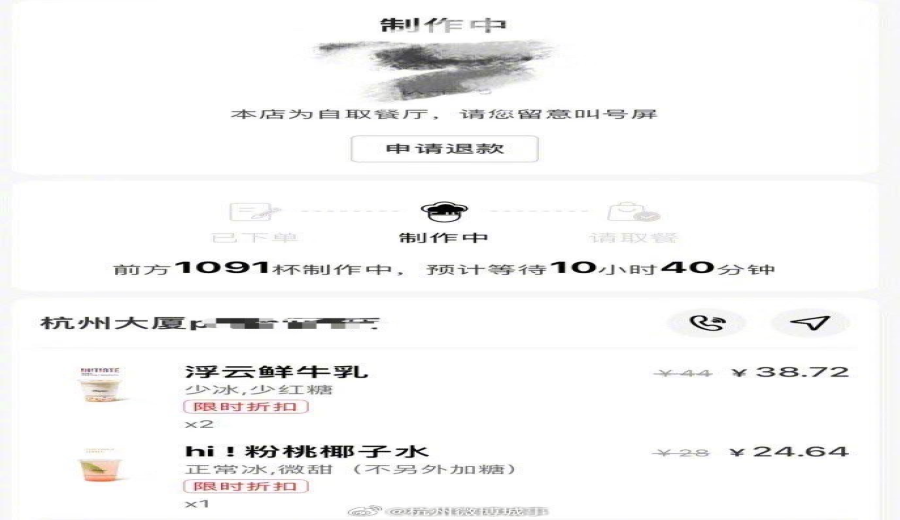
Introduction:A first-store opening of BONJOUR, a milk tea brand from Suzhou that recently launched in Hangzhou, saw online orders indicating wait times of 7 to 8 hours for pickup, sparking heated discussion among netizens. What is it about this cup of milk tea that makes people willing to wait so long? Or is it a meticulously planned marketing strategy? This article delves into the consumer psychology behind the queuing phenomenon, the on-site reality, and whether it’s really worth enduring such long lines.
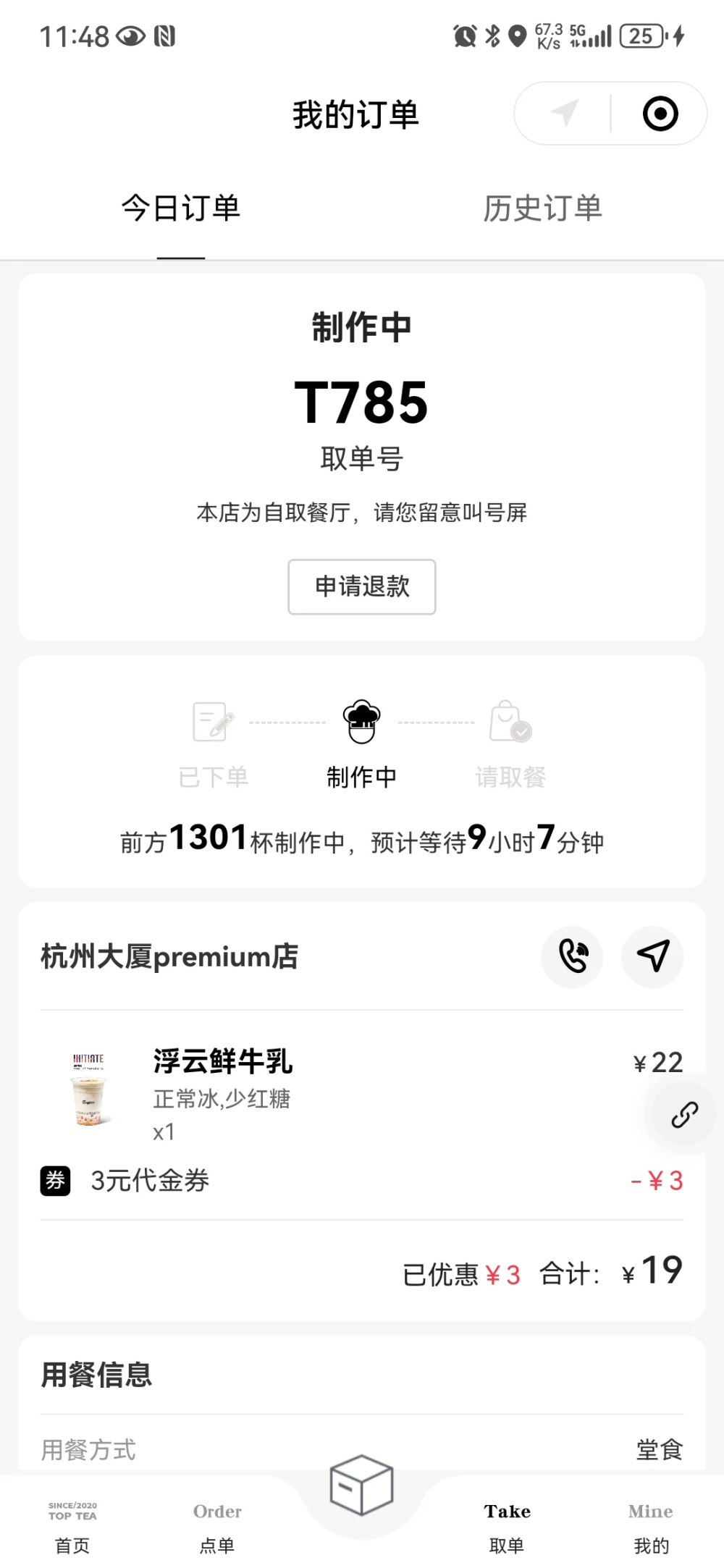
Recently, Hangzhou has seen a wave of milk tea queue mania, with the spotlight on a Suzhou-based milk tea brand called BONJOUR. After opening its first store at Hangzhou Tower, the brand's online ordering system showed that some customers would have to waitover 10 hoursto collect their drinks, with the highest number reaching an astonishing1,301 cups pending preparation, with an estimated wait time of up to 9 hours and 7 minutes.
Many netizens shared screenshots of their orders on social media platforms. One person ordered at 9 AM and was told there were still 1,091 cups ahead of theirs, with an expected wait of10 hours and 40 minutes. Such figures led many to exclaim: is a cup of milk tea really worth spending nearly half a day waiting for?
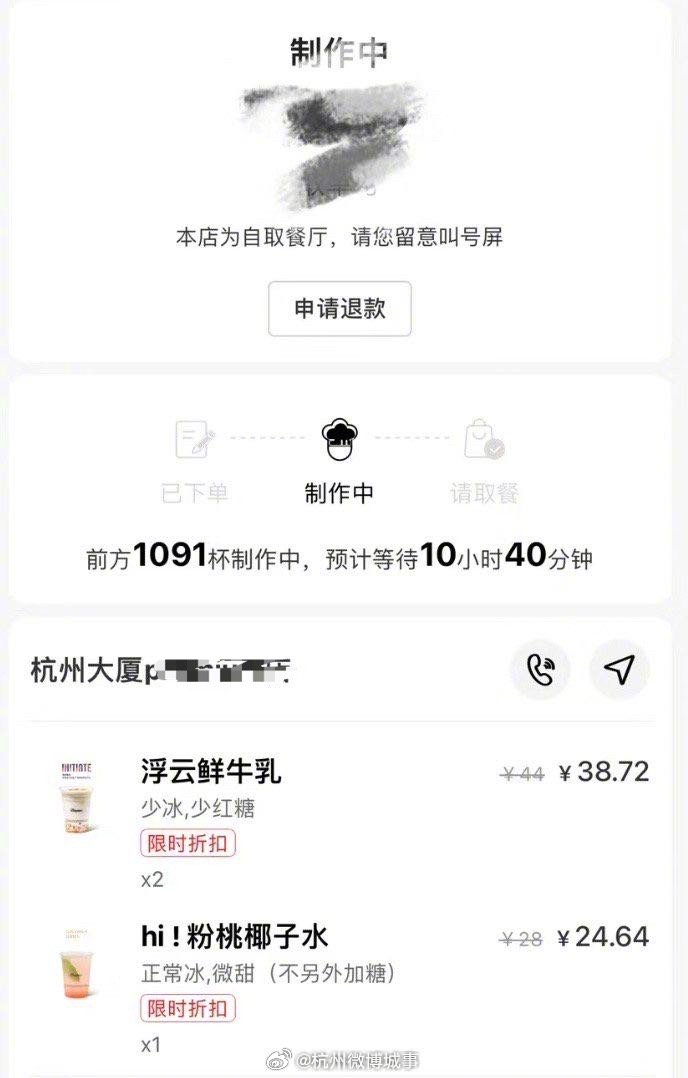
As a local tea beverage brand from Suzhou, BONJOUR made its debut in Hangzhou on August 20, choosing a high-footfall department store district. According to multiple customer feedback, since its opening, the store’s online queue numbers have remained consistently high, typically requiring at leasta minimum of 5 hoursof waiting, leaving many in-store customers astonished.
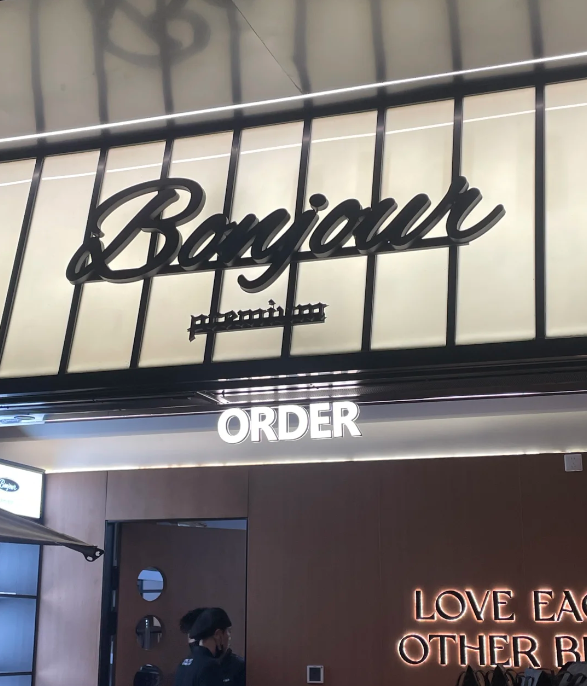
However, when media visited the store in person, they found no long queues outside as expected—only a few customers waiting under the store’s sunshade. Inside, the counter displayed a dozen or so pre-packaged milk teas, and the scene did not appear as crowded as the online data suggested.
Staff explained that due to the excessively long wait times, most customers opt to place orders through the online platform. Even for walk-in, real-time orders, the wait is still aroundabout 8 to 9 hours, with over1,000 orders still pendingahead.
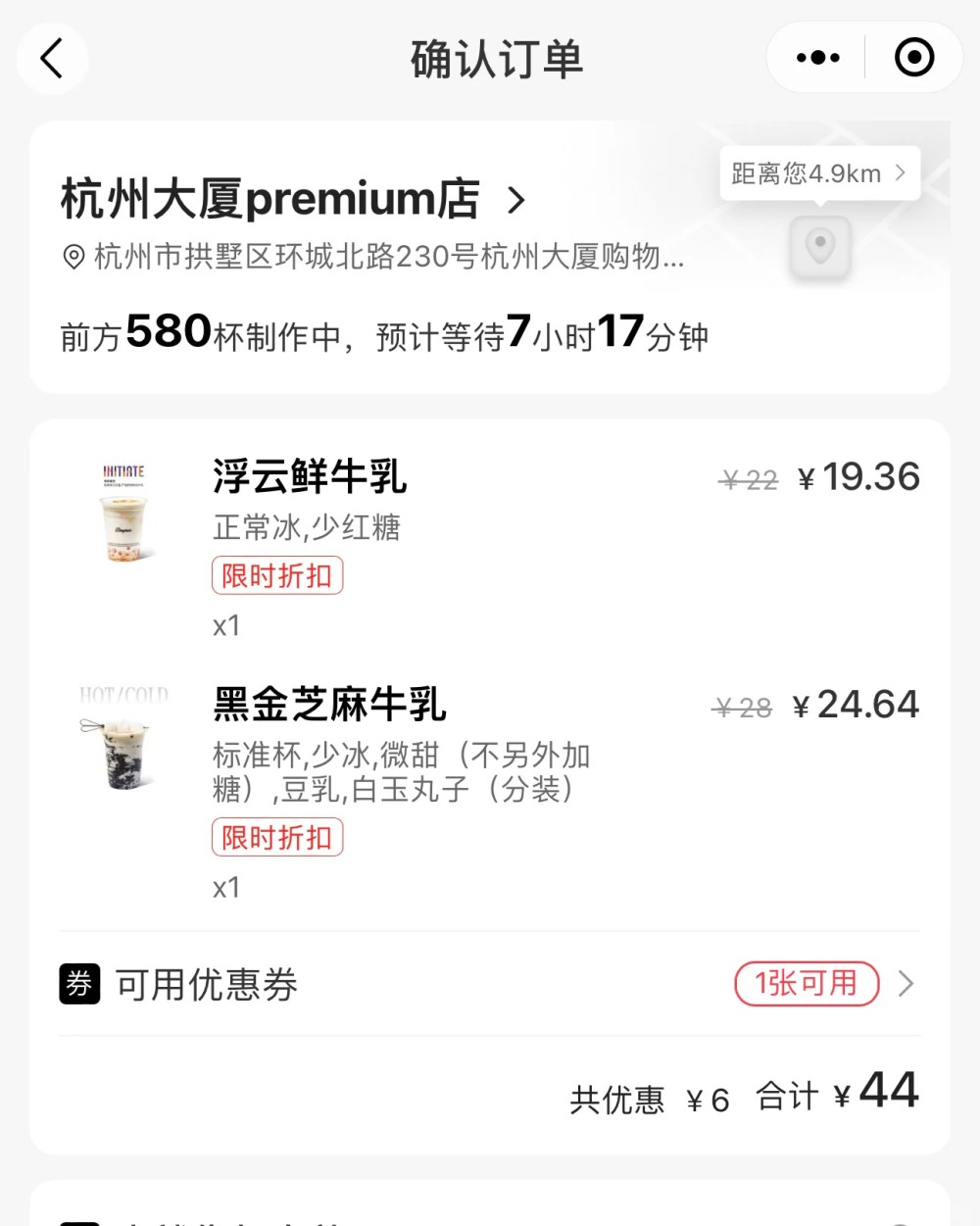
One customer who learned about the store via a group-buying website said she decided to place an order in advance out of curiosity about this “Suzhou-based queue phenomenon shop,” and made a special trip to pick it up. She admitted that while she had expected just an ordinary milk tea, she hadn’t anticipated such massive queue effects. As for the taste, she commented, “Maybe because I waited so long and built up high expectations, it wasn’t particularly amazing—I just went along with the trend.”
However, many netizens also shared negative experiences, pointing out that the pickup process was extremely chaotic. Although online reservations were available, many popular flavors were often sold out early. Moreover, since all pre-orders were mixed together, staff had difficulty quickly identifying which orders were ready, and the lack of clear queuing flow meant customers had to shout their numbers, while staff ran around managing drink preparation and other products, resulting in a disorganized service flow that did not deliver a satisfying customer experience.
In response, some netizens posted warnings advising people not to join the queue unless absolutely necessary, suggesting it might be better to wait until this “Hangzhou craze” dies down. The term “Hangzhou craze” (杭儿风) is a local expression referring to the tendency of residents to blindly follow trends en masse. A similar phenomenon occurred when well-known brands like HEYTEA entered Hangzhou, though such enthusiasm usually faded quickly once the hype subsided.
Additionally, many netizens questioned whether such long waits are a deliberate “hunger marketing” tactic by the brand. Some speculated whether the platform might be placing fake “phantom orders” to create an artificial shortage, further fueling consumer curiosity and participation. Others bluntly stated that if you really have to wait7 to 10 hours or more, it’s hard to justify the value—especially when the taste does not meet expectations, making the whole experience feel not worth the effort.
Ultimately, we might reflect: in today’s fast-paced society, is it truly worth investing so much time and energy into lining up for a milk tea that may only be a passing trend—just to post on social media or satisfy a momentary curiosity?
The above content is compiled by CoffeeHunters, a coffee news website.


