







Introduction:Want to understand what makes Guatemalan Geisha coffee uniquely charming? This article delves into the characteristics of the country’s eight major coffee-growing regions, including how its high-altitude volcanic terrain influences flavor, as well as how it differs from Panamanian Geisha. It also analyzes the flavor profiles of Huehuetenango and Fleur de Savane, and provides practical V60 pour over parameters so you can brew Guatemalan coffee with layers of complexity and balanced taste at home.
When it comes to Geisha coffee, many people first think of Panama’s Hacienda La Esmeralda. However, the Geisha variety is actually widely cultivated in multiple regions including Costa Rica, Colombia, Ethiopia, and even Guatemala. Due to differences in terrain, climate, and processing methods, each place’s Geisha offers distinctly unique flavor profiles. Guatemalan Geisha, in particular, blends the area’s distinctive volcanic and high-altitude environment to deliver a one-of-a-kind taste experience.
Guatemala is renowned for its volcanic terrain, with over 34 volcanoes within its borders. Coupled with its high-altitude cultivation environment, this results in coffees that often exhibit a hint of unique smokiness and nuttiness. These geographic conditions have secured the country’s coffee a notable place in the global specialty market. Especially noteworthy is the Geisha coffee from the Nueva Granada farm in San Marcos, grown at elevations of around 1,500 meters or higher. Though its annual production is limited, its delicate flavors and Rainforest Alliance certification have made it a favorite among many coffee enthusiasts. This coffee typically showcases complex aromas of chocolate, nuts, dried peaches, and almonds, with a smooth mouthfeel and a long-lasting finish.
Moreover, Guatemala can be subdivided into eight major producing regions, including five volcanic ones: Antigua, Acatenango, Atitlán, Volcanic San Marcos, and Fraijanes; as well as three non-volcanic regions: Huehuetenango, Cobán, and New Oriente. The microclimates in these regions create coffee beans with richly layered flavors. Among them, Antigua, with its ancient town backdrop and surrounding active volcanoes, is regarded as one of the classic regions.
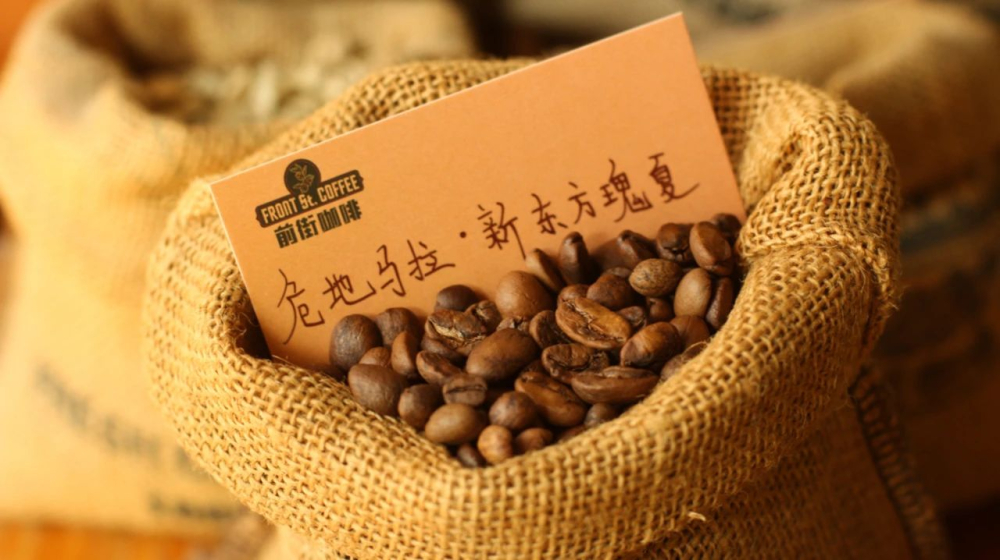
Take Antigua as an example. This area is surrounded by three active volcanoes—Agua, Acatenango, and Fuego—not only providing fertile soil but also a dry climate with significant day-night temperature variation, along with occasional volcanic ash replenishment, creating optimal growing conditions for coffee trees. The renowned El Pulcal coffee from the local Kamania Estate boasts a rich and layered taste, often with tobacco and chocolate notes in the aftertaste, making it ideal for those who enjoy deeper flavors. Pairing it with chocolate can further enhance flavor resonance.
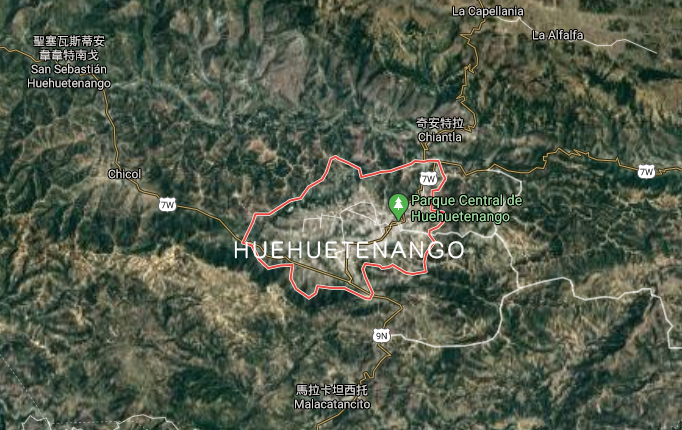
Meanwhile, the Huehuetenango region, with elevations ranging from 1,800 to 2,100 meters, is Guatemala’s highest-altitude coffee-growing area. The climate here is relatively dry, but thanks to the abundance of surrounding streams and ample water supply, washed processing has become the mainstream method. Some coffee shops often select washed beans from this region as representative of Guatemalan coffee. Its flavor profile is distinct, featuring bright acidity of citrus and lemon peel, along with berry aromas, and a nutty finish lingering on the palate.
In terms of varieties, Guatemala mainly grows Bourbon, Typica, Caturra, and Catuai. The Bourbon variety, due to its high-altitude cultivation, boasts outstanding aroma and bright acidity, often praised for having wine-like layers; Typica is one of the representative varieties of specialty coffee. Although it has relatively low yields and is susceptible to rust disease, its flavor is pure and delicate. Both Caturra and Catuai are high-yield and disease-resistant varieties, with Catuai being particularly favored by Central American growers for its good resilience and balanced acidity.
Most Guatemalan coffee beans are processed using the washed method, which effectively highlights the basic flavors of the region and delivers a clean, refreshing taste. In this process, the coffee cherries are first depulped and the fruit flesh is removed, then fermented for about 24 hours to remove the mucilage, followed by rinsing with clean water and moderate drying until the moisture content drops to around 12%. This technique preserves the most original characteristics of the coffee beans and is also an ideal choice for beginners to experience regional flavors.
In terms of roasting and pour over recommendations, medium-light roasting can preserve the floral and fruity aromas and bright acidity of Guatemalan coffee beans, making it a commonly used approach. It is recommended to use a V60 filter cone, paired with medium-fine grinding (such as 80% passing through a 20-mesh sieve), with water temperature controlled at around 91°C. The suggested coffee-to-water ratio is 1:15. For specific operation, a three-stage pouring method can be used: start with hot water twice the amount of coffee grounds (about 30 grams) for a 30-second bloom, then pour in small streams up to 125 grams and pause briefly, followed by pouring up to 225 grams, with total extraction time of about 2 minutes. These parameters help fully showcase the coffee’s layers and balance.
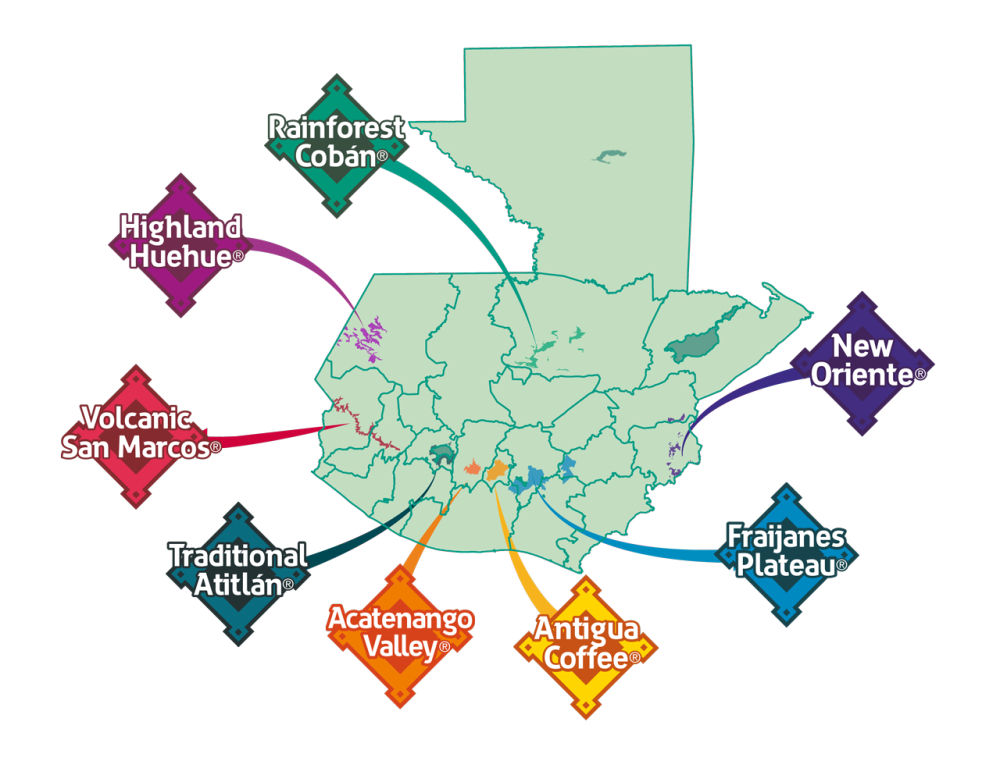
Overall, Huehuetenango coffee from Guatemala often features bright acidity of citrus and berries, with nutty aromas in the mid-palate, and a tea-like softness in the aftertaste; while Fleur de Savane coffee exhibits a complex flavor of berries, citrus, and subtle chocolate, with a smooth mouthfeel and distinct layers. These characteristics make Guatemalan coffee a top choice for drinkers seeking delicate and varied flavors in the global specialty market.
Finally, a reminder: the freshness of coffee beans greatly impacts flavor. It is recommended to choose beans roasted within 5 days, and allow them to rest for 4 to 7 days to reach their optimal flavor period. If purchasing coffee powder, it is advised to brew it as soon as possible to avoid rapid flavor loss due to air exposure. To fully experience the nuanced changes in Guatemalan coffee, grinding whole beans and brewing them fresh is the best option.
The above content is compiled by CoffeeHunters, a coffee news website.


