







Introduction:The same coffee beans can yield vastly different flavor profiles when brewed using pour over versus cold brew — the key lies in differences in extraction temperature and time. This article delves into how low-temperature extraction affects caffeine release, flavor complexity, and mouthfeel. Using a light-roast washed Yirgacheffe as an example, we analyze the actual performance differences between hot pour over, cold brew, and ice pour over. We also provide suggestions for coffee beans suitable for home brewing, helping you find the brewing method that best suits your taste preferences.
Have you ever wondered why the same coffee beans can taste like two completely different drinks when used for pour over and cold brew? The secret actually lies in the “extraction temperature.” Pour over typically uses hot water, which quickly extracts the coffee’s aroma, acidity, and sweetness, resulting in a bright and varied flavor profile. In contrast, cold brew relies on a low-temperature environment and extended steeping time to bring out a smoother, crisper, and slightly sweet taste — though it often lacks the same depth of flavor.
Additionally, during low-temperature extraction, many substances that can cause bitterness and astringency are less likely to be released. This is one of the reasons why cold brew generally has a smoother mouthfeel. Interestingly,the caffeine release from low-temperature extraction is actually higher than that of regular hot brewing methods, meaning the energizing effect of cold brew may be more noticeable. If you’re interested in trying different brewing methods at home, read on to learn about their practical differences and the best coffee bean choices.
Many coffee enthusiasts enjoy brewing fresh beans at home, with pour over and cold brew being the two most popular methods due to their relatively low barriers to entry and simple equipment requirements. However, many people often ask: “Why does the same bag of beans taste so different when brewed as pour over versus cold brew?” The answer is closely related to the brewing temperature, extraction time, and technique.
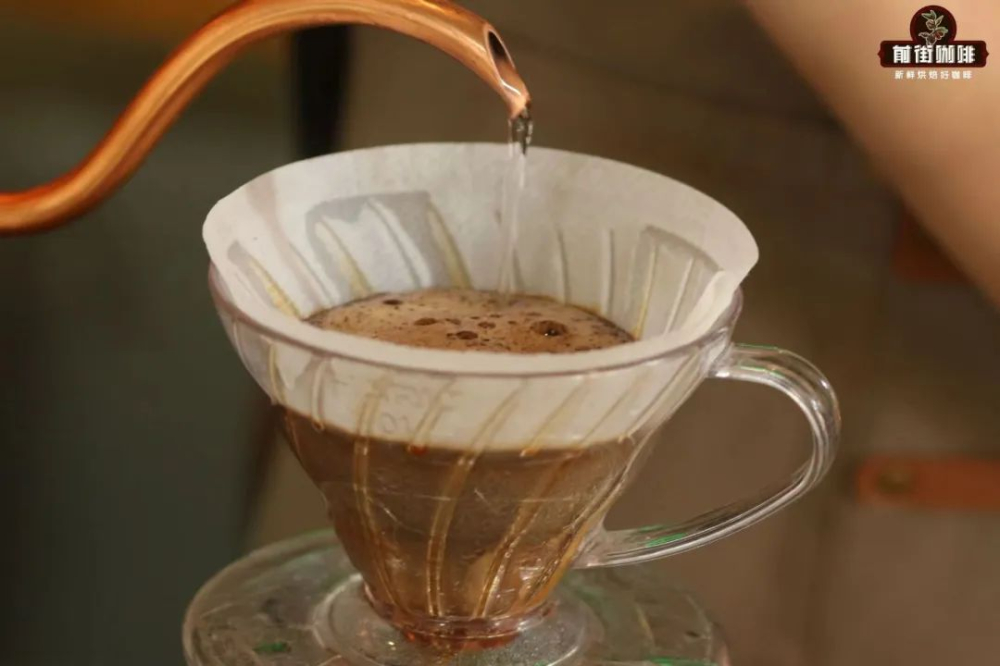
Whether using hot water directly or ice pour over (which cools the brew with ice), pour over coffee extracts soluble compounds from the coffee grounds — including aromatic compounds, acids, and sugars — through high-temperature water. Because heat accelerates molecular movement, the flavors of pour over coffee tend to be more vibrant but also more delicate, so it’s best enjoyed shortly after brewing to experience its optimal flavor.
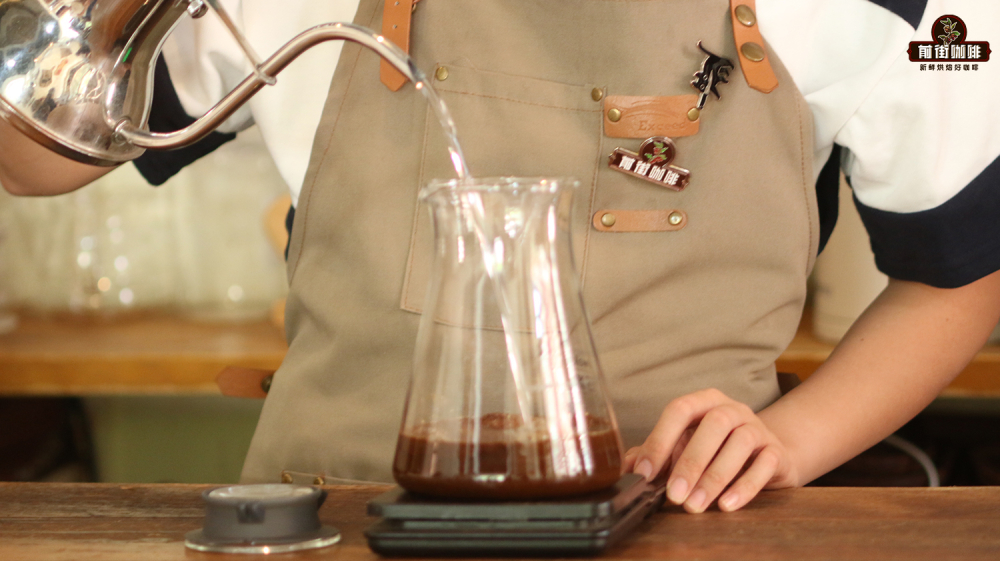
As for ice pour over, it adjusts the coffee-to-water ratio based on hot pour over by first extracting a concentrated coffee liquid with a smaller amount of hot water, then cooling it down with ice to create a refreshing, chilled drink. This method preserves more of the aromatic characteristics of hot-brewed coffee while adding a cool, refreshing quality.
Cold brew coffee, also known as cold water extract, is made by combining coarsely ground coffee with room-temperature or cold water, then letting it steep in the refrigerator for 8 to 24 hoursbefore filtering out the grounds with a cloth or paper filter to produce a chilled coffee. Since the entire process occurs slowly at low temperatures, it not only reduces over-extraction and the production of bitter flavors but also allows the coffee to develop a unique, fermentation-like finish. Notably,due to the long steeping time, cold brew coffee often contains more caffeine than regular pour over or drip coffee, making it a good choice when you need a pick-me-up. Additionally, cold brew can typically be refrigerated for 3 to 5 days, and as it ages, it subtly develops fermentation-like aromas — another of its distinctive traits.
To more intuitively understand the flavor differences between brewing methods, we used a light-roast washed Yirgacheffe called “Guodingding” as an example, conducting actual brew tests using hot pour over, cold brew, and ice pour over. For hot pour over, this coffee bean exhibited a complete flavor profile across the front, middle, and back notes — starting with jasmine and honey-like sweetness upon entry, followed by bright acidity of lemon and citrus in the mid-palate, and ending with a green-tea-like refreshing aftertaste. The overall flavor was well-structured and continued to show pleasant changes even as it cooled.
The Guodingding brewed as cold brew, after an overnight steep, showed a thin layer of fine oils on the surface when the container was opened, but its aroma was noticeably more subdued. Upon tasting, it featured a primary profile of berry and citrus acidity with sweetness, delivering an overall sweet and smooth mouthfeel reminiscent of iced fruit tea. However, compared to hot pour over, its flavor profile was simpler and flatter, lacking some of the complexity and variation.
As for ice pour over, which is also served cold, a finer grind and hot water were used for rapid extraction, resulting in a relatively higher concentration of coffee liquid and thus more extracted flavor compounds compared to cold brew. Although its overall body was still not as full as that of hot pour over, its tone was similar to the hot-brewed version, and the cooling effect of the ice enhanced its bright, sweet, and acidic qualities, making it highly suitable for summer drinking.
Why do the same coffee beans produce such distinctly different flavors under varying temperatures? It’s related to how various chemical components in coffee dissolve differently at different water temperatures. Coffee contains multiple substances — including quinic acid, amino acids, tannins, caffeine, and oils — all of which have varying extraction rates and manifestations depending on water temperature and time.
Generally speaking, in high-temperature environments, small-molecule fruit acids and sweet compounds are extracted first, followed by larger-molecule bitter and full-bodied substances. Therefore, if temperature control during pour over is inadequate, it’s easy to over-extract and produce noticeable bitterness. Conversely, in low-temperature environments, the release of bitter substances is greatly reduced, but so is the extraction of those large-molecule compounds that contribute to coffee’s fullness and complex flavors. This is why cold brew, while smooth, often lacks the “body” and richness of hot-brewed coffee.
Furthermore, because molecular movement is slower at low temperatures, even extending the extraction time cannot fully replicate the complete aromatic spectrum achievable with high-temperature brewing. As a result, many coffee brands base their flavor descriptions — typically derived from brewing with hot water around 94°C— on profiles such as fruity, floral, and caramel notes. These characteristics are often only partially expressed in cold brew, which is why cold brew tends to have a less intense aroma.
If you plan to try both pour over and cold brew at home, it’s recommended to choose coffee beans with rich and distinct flavor profiles — especially medium to light roasts with pronounced fruit or floral notes, which are usually better suited to these two brewing methods. Dark roast beans, while capable of showcasing rich chocolate and nutty tones when hot-brewed, may end up with overly simplistic bitterness when cold-brewed or served over ice, especially if grind size or ratios are not well managed.
For coffee lovers who hope to use a single bean type for both pour over and cold brew, it’s advisable to select beans with special processing methods — such as Honduras Sherry, Costa Rica Baha, Colombia Ospina, or Ethiopia Dorothy. These beans typically have clear and identifiable flavor characteristics. Whether the bold aromas released through hot water or the fresh acidity and sweetness presented at low temperatures, they offer a diverse and enjoyable drinking experience, allowing you to savor professional-grade coffee flavors at home.
The above content is compiled by CoffeeHunters, a coffee news website.


