







Introduction:Jamaican Blue Mountain coffee is renowned for its delicate and balanced flavor profile, yet many mistakenly assume it leans toward bitterness. This article delves into the geographical advantages of the Blue Mountain region, the cultivation and processing details of the Clifton Estate, and explores the differences between washed and natural processing methods. It also provides expert pour over recommendations, including filter choice, grind size, and water temperature control, to help you fully showcase the black chocolate, nutty, and creamy sweet notes of Blue Mountain coffee.
Jamaican Blue Mountain coffee is regarded as one of the finest representatives in the coffee world. Its appeal lies not in strong bitterness, but in its clean, balanced, and full-bodied flavor characteristics. To truly appreciate Blue Mountain, one must understand its growing environment, processing methods, and brewing techniques as a whole. This article will guide you through the uniqueness of Blue Mountain No. 1 and share practical pour over tips.
The Secrets Behind Blue Mountain’s Origins
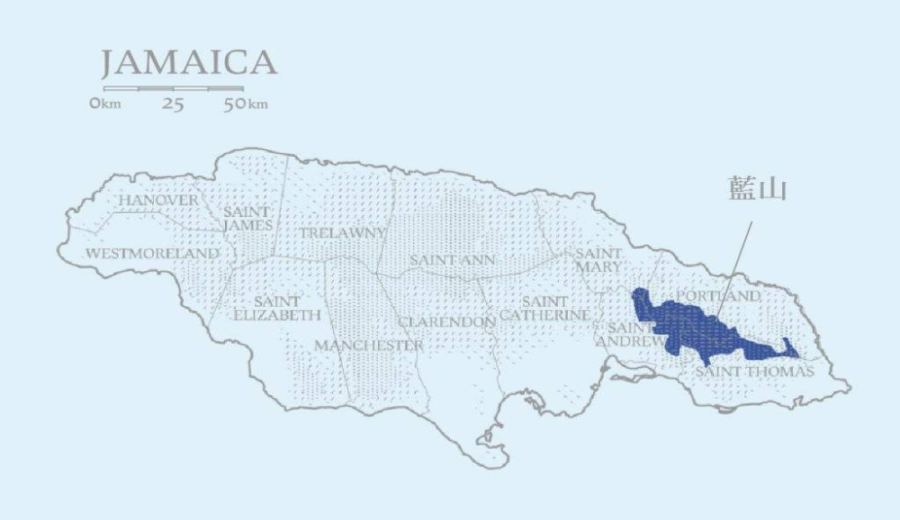
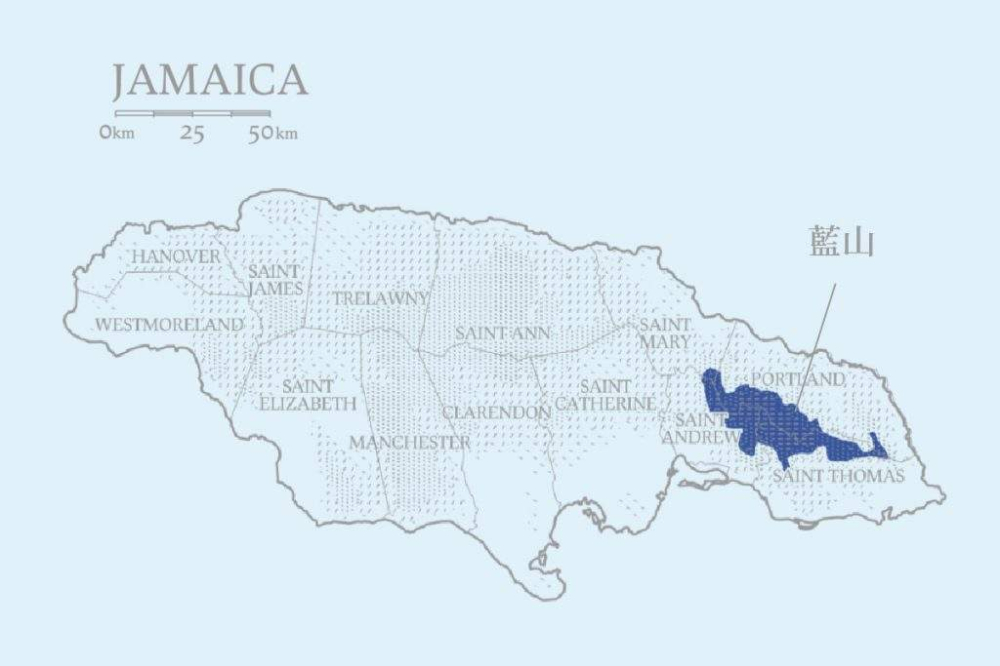
Jamaica is located in the northwest of the Caribbean Sea, and the Blue Mountain coffee-growing region is concentrated in the Blue Mountains of the eastern part of the country. This rugged mountainous area features diverse microclimates due to varying altitudes, with the highest peak reaching 2,256 meters. The humid mountain air and concentrated rainy season provide ample moisture for coffee trees. Additionally, the volcanic soil is rich in minerals, and the near-pollution-free natural environment contribute to the exceptional quality of Blue Mountain coffee.
To protect the ecosystem, the Jamaican government prohibits farming above an altitude of 1,700 meters, so coffee is primarily grown below that level. The harvesting season for Blue Mountain coffee runs from February to June each year, during which skilled local female workers handpick coffee cherries at optimal ripeness to ensure high-quality raw materials.
The Commitment of the Clifton Estate
The majority of Blue Mountain coffee available on the market comes from the Clifton Estate, a historic farm established in the 18th century and one of the few still actively cultivating Blue Mountain coffee today. The estate is situated in the picturesque Clifton Mount, with its planting and processing areas located at an altitude of about 1,310 meters. The high-altitude environment results in significant day-night temperature variations, slowing the ripening of coffee cherries and aiding nutrient accumulation.
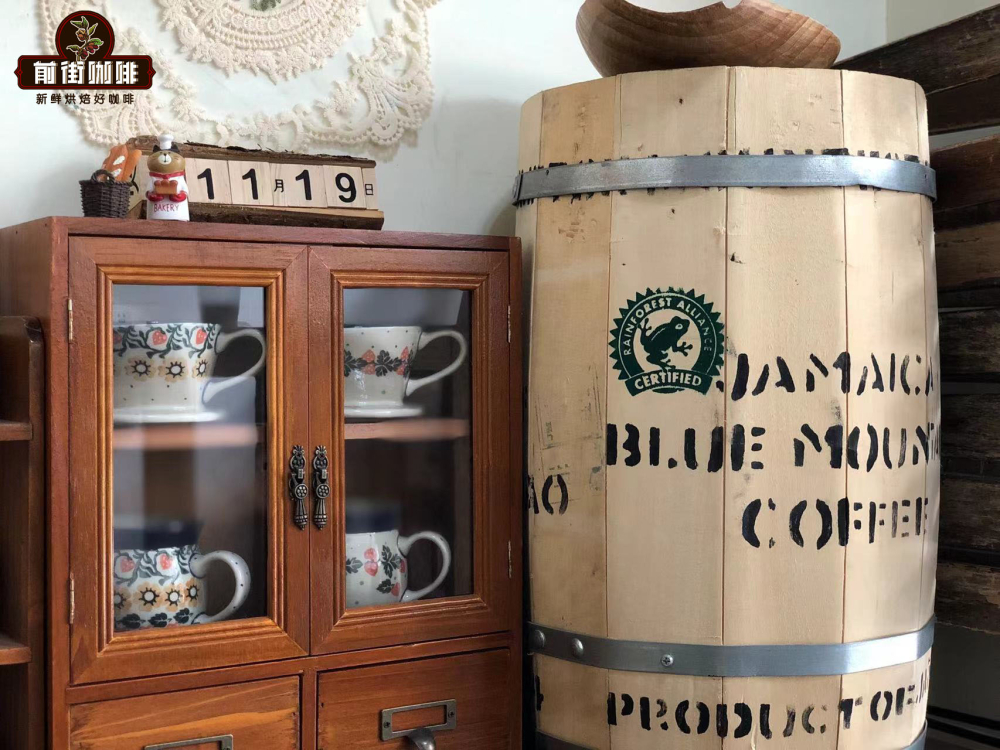
The estate emphasizes sustainable practices, investing in a wastewater treatment system to enable water recycling and converting processed fruit peels into organic fertilizer. The estate has also been certified by the Rainforest Alliance, adopting environmentally friendly farming methods. The wooden barrels containing the received Blue Mountain green beans prominently display the Rainforest Alliance frog eco-label.
Flavor Differences: Washed vs. Natural
Traditionally, the estate processes Blue Mountain green beans using the washed method. This process involves removing the skin and pulp first, followed by overnight fermentation to release acids that loosen the mucilage from the bean surface. Finally, the parchment-covered beans are sun-dried to reach the appropriate moisture content. The washed process gives Blue Mountain coffee a clean and bright flavor profile. In 2020, the estate first introduced a naturally processed Blue Mountain coffee, offering a richer, fermented fruity acidity and sweetness. However, the washed process is still recommended as it better highlights the intrinsic flavors of Blue Mountain.
Flavor Profile and Grading of Blue Mountain No. 1
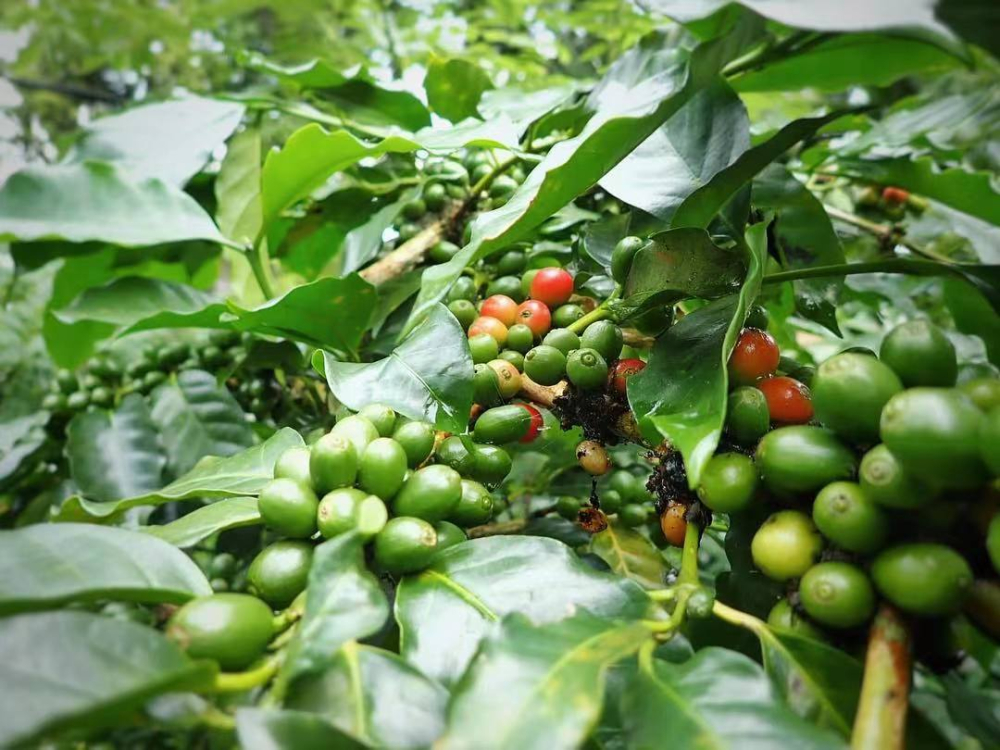
The supplied Blue Mountain coffee comes from the Clifton Farm in the Jamaican Blue Mountain region, grown at an altitude of about 1,310 meters, with the Typica variety. This Blue Mountain No. 1 coffee bean is processed using the washed method, and the green beans are strictly graded by the Jamaica Coffee Industry Board (CIB) as the highest-grade NO. 1. The grading standards include a bean size of 17 or above, a defect rate below 3%, and a moisture content of approximately 13%.
Government regulations stipulate that only coffee beans grown at altitudes above 910 meters in the Blue Mountains can be called 'Jamaican Blue Mountain' and must be shipped in handmade wooden barrels, which has become a symbol of Blue Mountain coffee. The received Blue Mountain No. 1 green beans are uniformly plump in appearance, exhibiting a bright bluish-green hue. To highlight its classic flavors, such as chocolate and nutty notes, a medium-dark roast is chosen.
Expert Pour Over Recommendations for Blue Mountain No. 1
Cupping tests reveal that roasted Blue Mountain No. 1 offers pronounced black chocolate and nutty aromas upon entry, with a clean flavor, excellent brightness, and well-balanced body, acidity, sweetness, and bitterness. To fully showcase these qualities, it is recommended to enjoy it as a black coffee and brew it using the pour over method.
For medium-dark roasted Blue Mountain No. 1, the KONO filter is recommended. The rib design of this filter does not extend beyond half its height, causing the filter paper to tightly adhere to the cup wall when wet, reducing airflow and extending the water absorption time of the coffee grounds, resulting in more even extraction. Moreover, because the roast is relatively dark, using a grind size and high water temperature suitable for light roasts may lead to over-extraction. Therefore, it is advised to adjust the grind to be slightly coarser and lower the water temperature.
Suggested parameters are as follows: 15 grams of coffee grounds, a 1:15 coffee-to-water ratio, a water temperature of 88°C, and a grind size that allows 75% of particles to pass through a standard #20 sieve. Use the KONO filter for a three-stage pour. First, wet the filter to ensure proper adhesion. Then, pour 30 grams of water for a 30-second bloom. The first stage involves pouring in a small circular motion until 125 grams of water is added, then pause. When the liquid level is about to expose the coffee bed, proceed to the second stage and pour up to a total of 225 grams. The total extraction time (including bloom) should be controlled to around 2 minutes. Finally, gently swirl the coffee slurry and taste progressively from hot to cool.
Upon pouring, Blue Mountain No. 1 exhibits intense black chocolate aromas, a full-bodied mouthfeel, and a distinct almond aftertaste. As the temperature drops, roasted hazelnut and creamy sweet notes gradually emerge, accompanied by soft acidity and caramel sweetness. The flavor profile is layered and lingers pleasantly on the palate.
The above content is compiled by CoffeeHunters, a coffee news website.


