







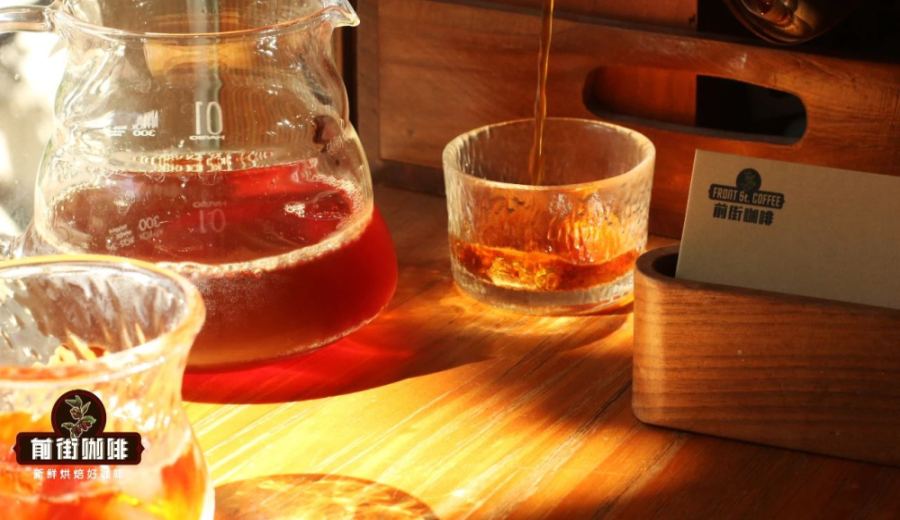
Introduction:Although Costa Rica is not a large country, it boasts eight distinct coffee-growing regions, each offering a diverse range of flavors from bright and crisp to rich and fruity. This article takes an in-depth look at the Blueberry beans from Finca Piedra Grande in the Brunca region, exploring its anaerobic honey-heavy processing method and unique flavor profile. It also expands on the growing conditions, commonly used varieties, and brewing recommendations of the Tarrazú region, helping coffee enthusiasts master the selection and brewing techniques of premium Costa Rican beans.
Costa Rica, this small Central American country known for its stunning natural landscapes, is also a major producer of specialty coffee worldwide. Among its many coffee regions, the country is divided into eight main areas, each with its own unique coffee character due to differences in microclimate, altitude, and soil conditions. Whether you're looking for a pour over bean with pronounced sweetness or want to explore the characteristics of different processing methods, Costa Rican coffee is not to be missed.
Microclimate of the Brunca Region and the Flavor Profile of Blueberry Beans
Costa Rica’s coffee-growing regions include Central Valley, West Valley, Tres Ríos, Tarrazú, Turrialba, Orosi, Guanacaste, and Brunca, with Brunca accounting for about one-fifth of the country’s total production. This region is mostly at mid-to-low altitudes, with plantations generally ranging between 800 and 1200 meters above sea level. The beans produced here generally have good body and acidity, representing high-quality output of HB grade or above.
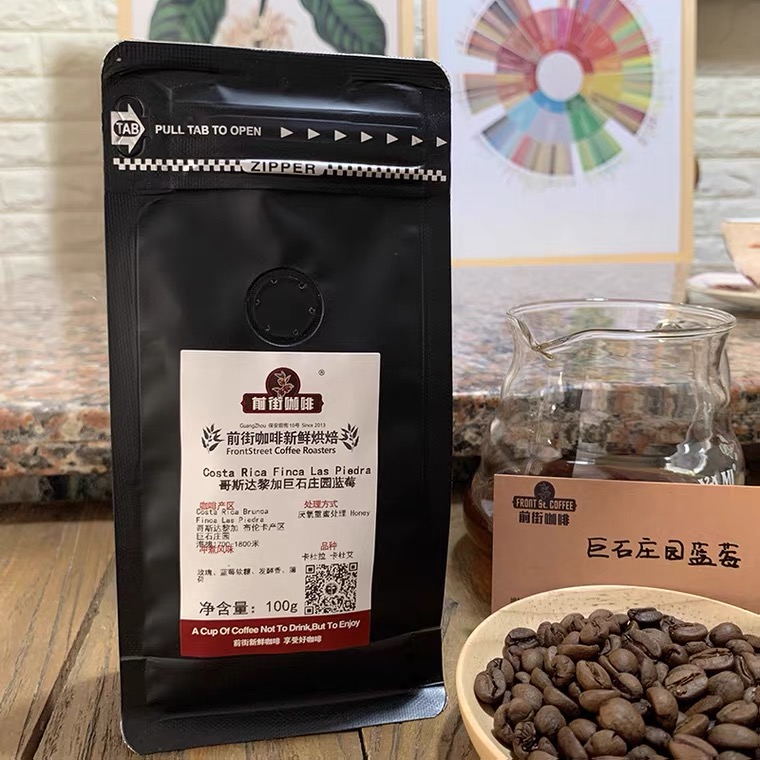
The star of this article — the Blueberry beans from Finca Piedra Grande — come from the southern Brunca region. This farm is located at an altitude of 1700 to 1800 meters, with a mild climate and an average annual temperature of around 22°C. The terrain is mostly sloped, creating diverse microclimates that are very suitable for cultivating fine coffee. These Blueberry beans are mainly of the Caturra and Catuaí varieties and are processed using an anaerobic honey-heavy method, bringing out highly distinctive fruity and sweet notes.
Highlights of the Anaerobic Honey-Heavy Processing Method
The processing method used for these Blueberry beans is anaerobic honey-heavy, which is more complex compared to regular honey processing. During the harvesting stage, only fully ripe coffee cherries are selected. After initial screening, they are placed in plastic tanks to remove impurities and unripe cherries. In the early stage of fermentation, natural ingredients such as yeast, lactic acid, sucrose, blueberry fructose, orange juice, and mint juice are added to carry out the first stage of fermentation for 30 hours, enhancing fruitiness and sweetness.
After fermentation is complete, the skins are removed and the beans coated with mucilage are placed in a round container. Carbon dioxide is injected and the pH value is strictly controlled. The fermentation process continues, with the cool temperatures at night helping to extend fermentation time without over-fermenting. Subsequently, the beans enter the second stage of honey processing, where mucilage-covered coffee is placed on an African bed. During daytime sun drying, the temperature is kept below 40°C. After 8 hours of sun exposure, the beans are moved to a warm shed and left to rest for 12 hours. This process is repeated for 20 to 25 days until the moisture content stabilizes at 15%. Finally, the green beans are stored in inner and outer bags for a month to ensure stable flavor development.
This processing method gives the Blueberry beans a layered taste experience: the dry fragrance carries a faint rose-like aroma, while the sip releases a rich fruity sensation akin to blueberry soft candy, followed by a lingering cool minty aftertaste. The overall profile is clean, full-bodied, and well-balanced between acidity and sweetness, delivering an extraordinary experience for pour over enthusiasts who enjoy fruity profiles.
Overview of Costa Rica’s Eight Coffee Regions
Among Costa Rica’s eight coffee regions, in addition to Brunca, areas such as Central Valley, Tarrazú, and West Valley each have their own unique characteristics. For example, Tarrazú, named directly after the region, is a classic entry point for many coffee beginners to get to know Costa Rican flavors.
Tarrazú Region and Daily-Drink Coffee Bean Recommendations
Tarrazú (also known as Los Santos) is located about two hours’ drive from the capital, San José, and is a renowned coffee-growing belt in Costa Rica. With altitudes ranging from 1200 to 1900 meters, the area has a cool and varied climate, featuring numerous microclimates along with mineral-rich volcanic soil, resulting in bright acidity and delicate flavor structures. The main varieties grown are Caturra and Catuaí, which complement each other in flavor: the former leans toward a berry profile, while the latter is known for its nuttiness and balance.
A certain coffee brand’s Tarrazú daily-drink beans are inspired by this region, aiming to let consumers experience the typical flavors of the area at a reasonable price. For coffee lovers who are just starting out with pour over brewing, these beans are an excellent entry point to explore Costa Rican coffee.
Recommended Practical Pour Over Parameters
To fully appreciate the layers of Costa Rican coffee, it is recommended to use the following parameters for pour over brewing:
V60 dripper
Water temperature: 91°C
Coffee-to-water ratio: 1:15
Coffee dosage: 15 grams
Grind size: 80% passing through a Chinese Standard No. 20 sieve (approximately medium-fine)
Brewing steps are as follows: Start with a 30-second bloom using 30 grams of water, then pour in a circular motion with a slow stream until reaching 125 grams for the first pour. When the water level is about to expose the coffee bed, continue pouring to 225 grams and then stop. Once the water level drops and is about to expose the coffee bed again, remove the dripper. The total extraction time should be around 2 minutes to fully showcase the coffee’s aroma and flavor layers.
By gaining a deeper understanding of Costa Rica’s regional characteristics, processing techniques, and variety compositions, you will be able to more accurately choose coffee beans that suit your taste and easily recreate a professional-level pour over experience at home.
The above content is compiled by CoffeeHunters, a coffee news website.


