







Introduction:If you’re looking to explore the delicate floral and fruity aromas along with bright acidity in specialty coffee, light roast coffee is an essential choice. This article delves into the definition of light roast and its connection to the first crack stage, helping you understand the unique flavor profile of acidic coffees. We’ve also handpicked five beginner-friendly beans from renowned origins such as Ethiopia, Kenya, and Panama, paired with practical three-stage pour over parameters to help you consistently extract layered, well-balanced acidity and sweetness.
The unique flavor of each cup of coffee is inseparably linked to its roast level. With the rise of specialty coffee culture, more and more coffee enthusiasts are drawn to the refreshing acidity and complex aromas brought by light roasting—especially the prominent floral and fruity notes typical of high-altitude regions. This article starts with the basic definition of light roast, guiding you through the key relationship between first crack and roast degree, explaining the typical flavor characteristics of such coffees, and recommending five classic beans ideal for beginners to practice pour over. Finally, we provide a set of practical three-stage extraction parameters to help you get started easily and experience the layered charm of light roast coffee.

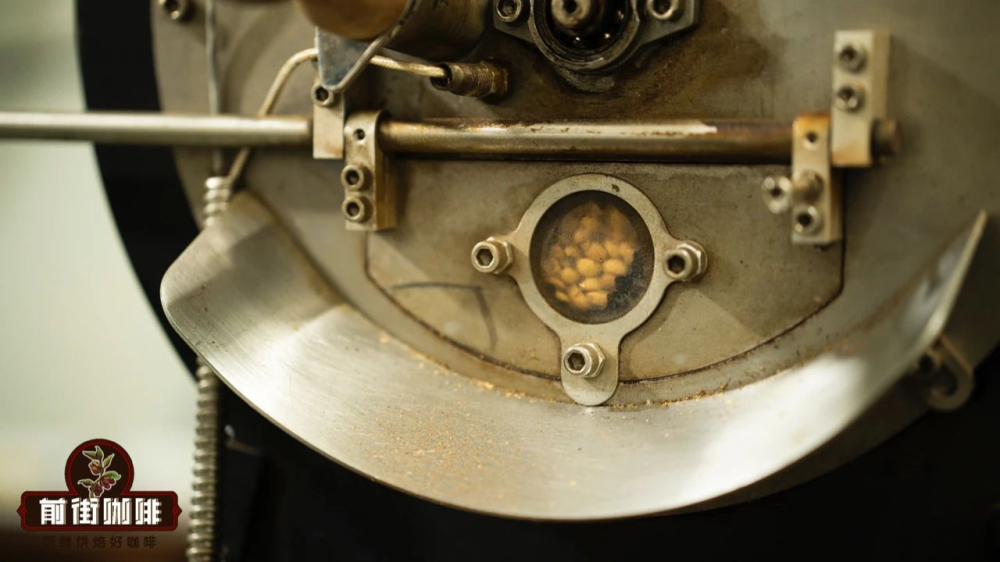
So what exactly is light roast coffee? During the coffee roasting process, green beans go through stages of dehydration and yellowing before entering the first crack stage. The so-called first crack refers to the phenomenon where internal moisture and pressure within the bean accumulate to a certain level, causing the bean to release steam and emit a cracking sound. Light roast is generally defined as beans dropped during the mid-to-late first crack or just after it ends, with the core bean temperature typically ranging between 205°C and 210°C. Due to the shorter roasting time, the organic acids inside the beans are not extensively broken down, resulting in a bright, clear acidity with minimal bitterness, as well as a rich array of aromatic layers—from citrus and berries to floral and honey notes.
Drinking experience tells us that truly captivating light roast beans are often not simply “acidic,” but rather feature a balance of acidity with sweetness and aroma, resulting in a refreshing yet not thin overall flavor. It’s recommended to choose beans with distinct fruit-forward profiles, as these are usually easier to highlight with elegant acidity-sweetness balance through pour over. Additionally, when purchasing, prioritize suppliers with stable roasting quality and good storage conditions to ensure the beans are enjoyed within their optimal freshness window.
Here are five popular light roast coffee beans loved by pour over enthusiasts, each originating from different classic regions and showcasing unique flavor profiles:
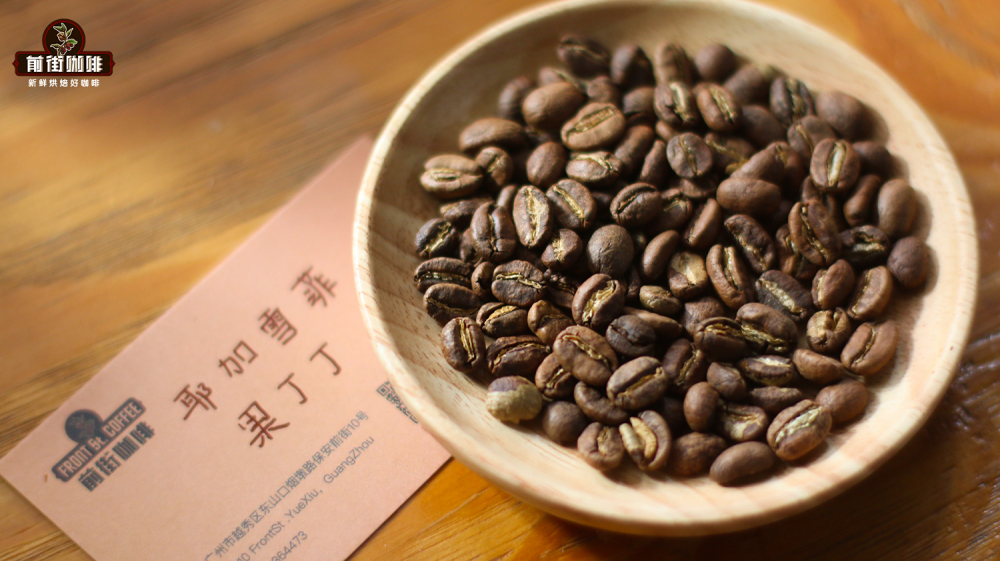
1. Yirgacheffe Gudding Coffee Beans
Origin: Yirgacheffe, Ethiopia
Altitude: Approximately 2300 meters
Variety: Ethiopian Heirloom
Processing Method: Washed
Flavor Profile: A layered interplay of citrus, blueberry, honey, and green tea, with vibrant and bright acidity and a refreshing tea-like finish.
2. Kenya Little Tomato Coffee Beans
Origin: Thika, Kenya
Altitude: 1550–1750 meters
Variety: SL28 and SL34
Processing Method: K72 Washed
Flavor Profile: Cherry tomato, dark plum, pear, brown sugar, and plum—balancing acidity and sweetness with a rich fruity aftertaste.
3. Panama Flower Butterfly Coffee Beans
Origin: Boquete Region, Panama (Baru Volcano)
Altitude: 1600 meters
Variety: Geisha, Caturra, Catuai
Processing Method: Washed
Flavor Profile: White floral, orange, nutty, and delicate tea-like notes, with a balanced and refined profile.
4. Ethiopia Huakui Coffee Beans
Origin: Guji · Hambella, Ethiopia
Altitude: 2300 meters
Variety: Ethiopian Heirloom
Processing Method: Natural
Flavor Profile: Creamy strawberry, citrus, subtle floral and berry notes, with a soft black tea-like finish.
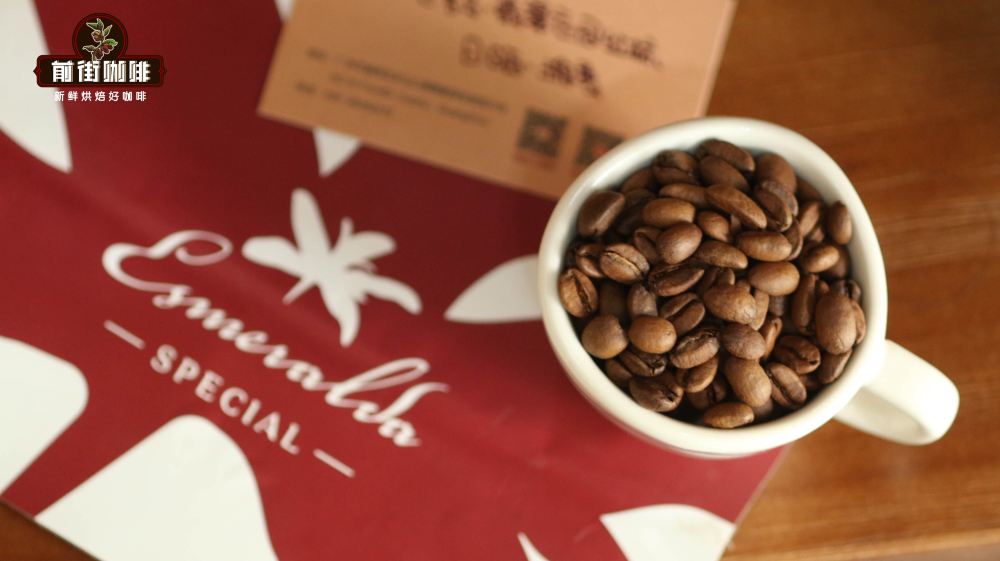
5. Costa Rica Blackberry Coffee Beans
Origin: Tarrazú, Costa Rica
Altitude: 1700 meters
Variety: Catuai
Processing Method: Black Honey
Flavor Profile: Grape, pink floral, sweet orange, and berry, with prominent sweetness and soft acidity.
For beginners using pour over, it’s recommended to adopt a three-stage pouring method, which helps achieve even extraction and avoid over- or under-extraction. Taking 15 grams of coffee grounds as an example, the brew ratio is set at 1:15, with a total water volume of 225 milliliters, divided into three pours: first pour 30 milliliters, second pour 95 milliliters, and third pour 100 milliliters, with the scale showing cumulative weights of 30 grams, 125 grams, and 225 grams respectively.
The steps are as follows: First, fold the filter paper and place it in the filter cone, ensuring it adheres well. Add 15 grams of ground coffee and tare the scale. For the first pour, add 30 milliliters of water and let it bloom for 30 seconds. Use a fine stream and circle from the center outward to ensure even saturation of the coffee bed. After 30 seconds, switch to a slightly larger stream and steadily pour the second 95 milliliters of water. The water flow should be vertical and even, helping lift the coffee bed. This stage is usually completed around the 55-second mark, with a total weight of about 125 grams. When the liquid level drops to about halfway, begin the third pour, using a small stream to slowly circle and pour the final 100 milliliters of water, reaching a total weight of 225 grams. Keep the total extraction time around 2 minutes. Once finished, remove the filter cone, gently swirl the coffee in the server, and enjoy the layered flavors of light roast coffee.
The above content is compiled by CoffeeHunters, a coffee news website.


