








Introduction:Colombian coffee is renowned worldwide, and among its many offerings, the floral Moonlit Night from the Huila region and the rose-scented Rose Valley from the Santander region, though both of the Caturra variety, showcase distinctly different flavor profiles due to variations in terroir and processing methods. This article delves into the origin background, processing techniques, cupping profiles, and brewing recommendations of these two coffees, helping you accurately grasp their characteristics and find the one that best suits your personal taste.
In the world of specialty coffee, some beans bear poetic names—like “Moonlit Night” and “Rose Valley”—which may lead you to imagine whether they truly carry romantic floral and fruity aromas. In fact, these names often relate to actual flavor notes but also embody unique regional and processing ingenuity. This article will focus on Moonlit Night from Colombia’s Huila region and Rose Valley from Santander, taking you through a comprehensive analysis of their core differences and tasting highlights—from geographical environment, planted varieties, processing methods, to flavor expression.
Huila Region, Colombia: The Cradle of Specialty Coffee Nestled in the Highlands
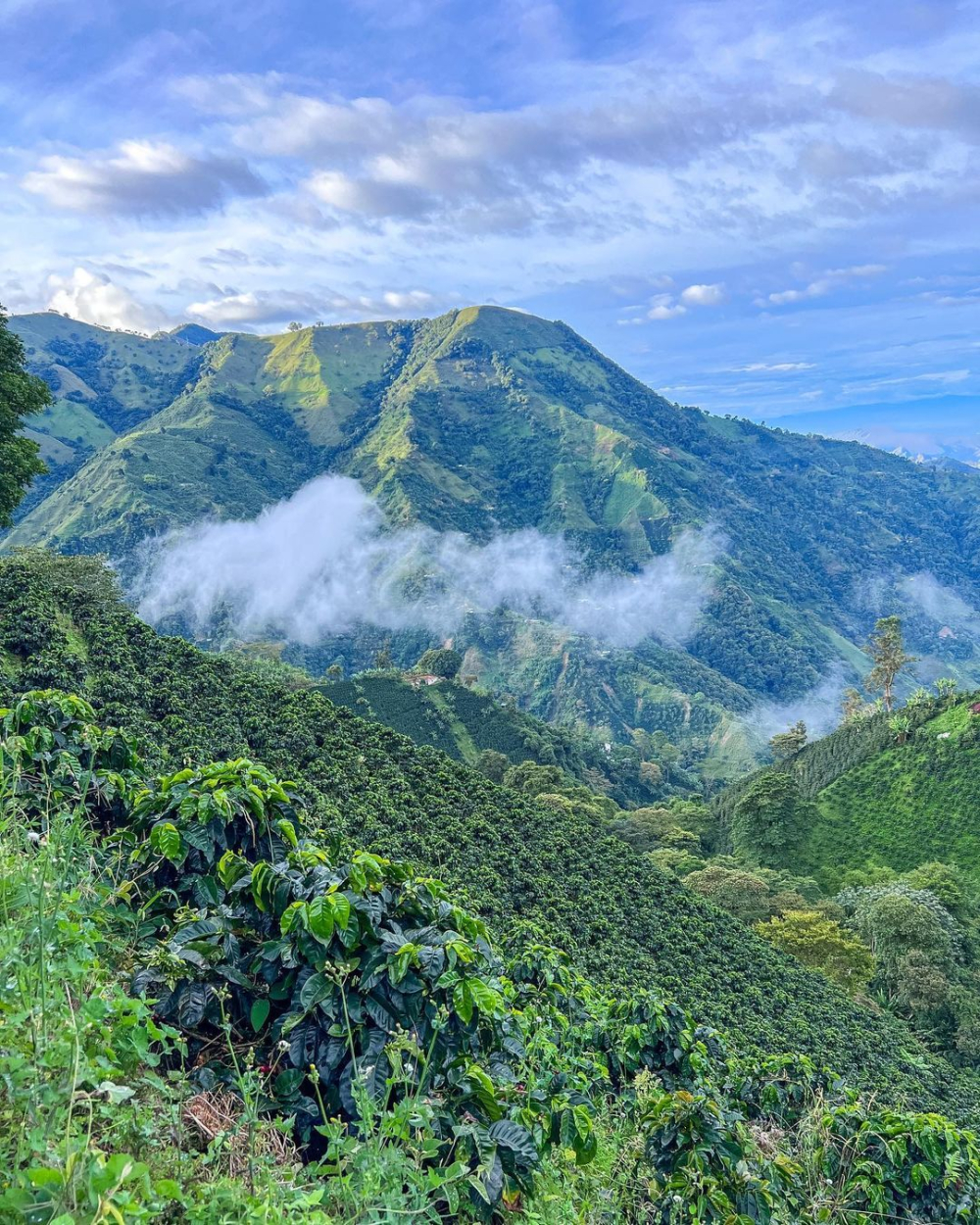
Located at the southern end of the Central Cordillera in southern Colombia, Huila Province is one of the country’s most representative specialty coffee regions. Surrounded by mountains and mostly consisting of rolling hills, coffee here is generally cultivated at elevations exceeding 1,500 meters, with some premium farms reaching over 1,800 meters. The region enjoys a mild and humid climate, with annual rainfall between 2,000 and 3,000 millimeters, coupled with fertile volcanic soils that provide ideal growing conditions for Arabica coffee. Notably, the stable climate throughout the year in Huila allows for multiple harvests, contributing to the region’s richly layered flavor profiles.
The industry-selected Moonlit Night coffee beans come from the Acevedo Estate in Huila Province. Situated at an altitude of about 1,800 meters, the estate benefits from abundant water resources and a superior microclimate, making it an ideal environment for cultivating high-quality Caturra variety beans.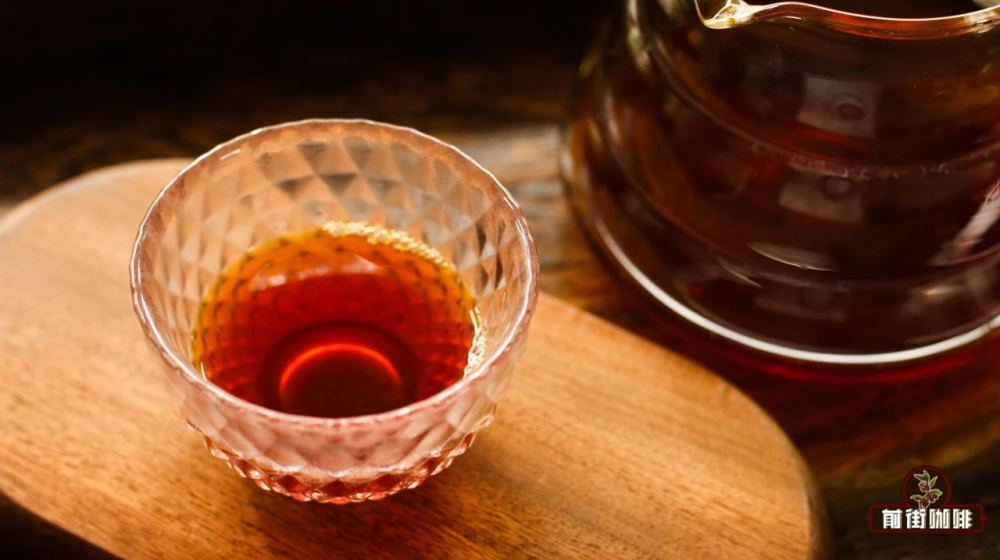
Caturra Variety: An Arabica Mutant Exceling at High Altitudes
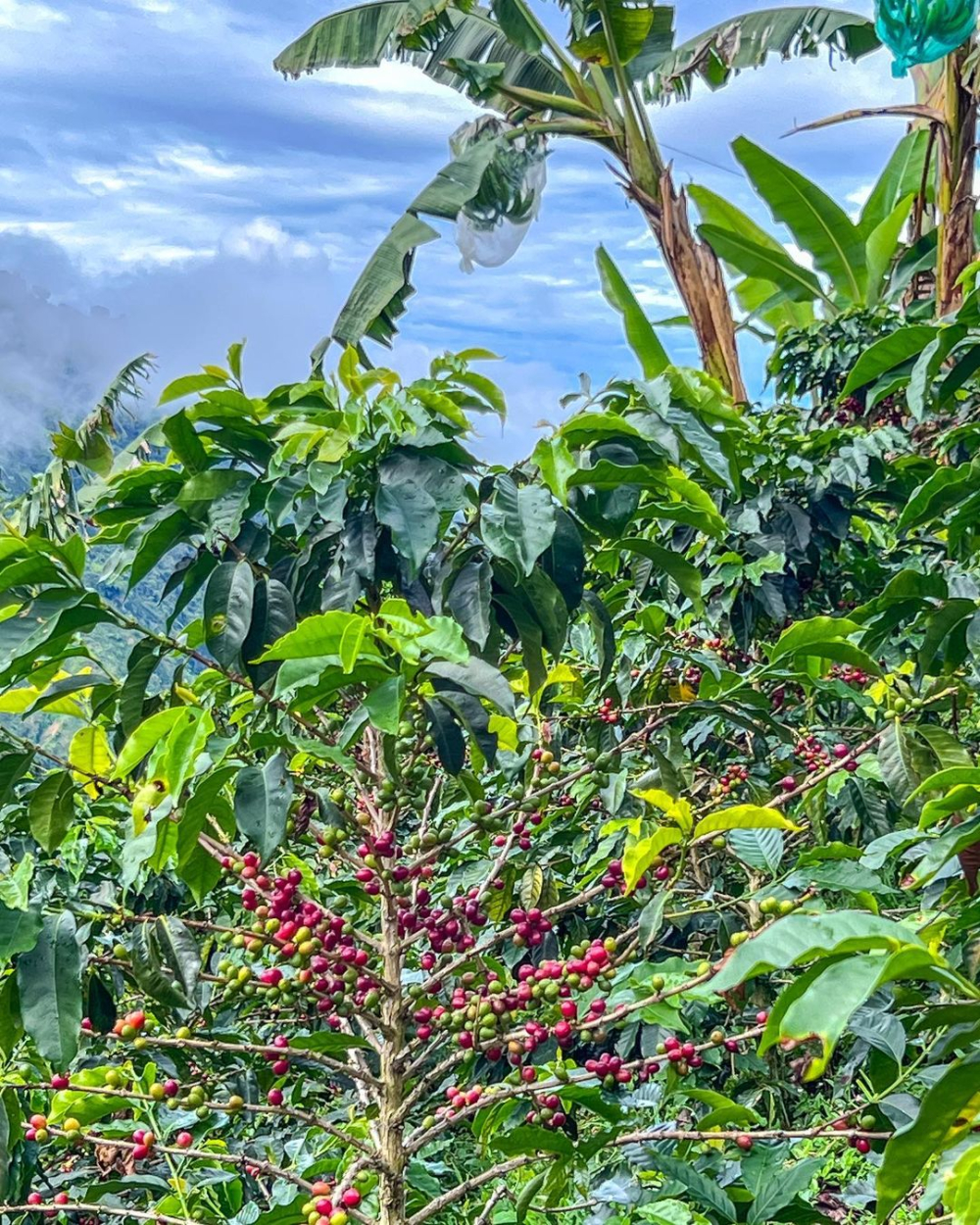
Both Moonlit Night and Rose Valley use the Caturra variety, a natural mutation of Bourbon discovered in Brazil in 1937. Caturra plants are shorter than Bourbon, making them more suitable for dense planting and easier harvesting management. At high altitudes, Caturra can express brighter acidity and more complex aromas. Typically, Caturra grown between 700 and 1,750 meters often features vibrant citrus acidity, delicate sweetness, and elegant nutty or chocolatey finishes.
Rose Valley Region: Herbaceous and Fruity Profiles of Santander
Compared to Huila, Santander is located in northern Colombia, bordering the Magdalena River to the west, with altitudes generally ranging from 1,400 to 1,600 meters. Coffee from this region is known for its intense flavor character, long-lasting aftertaste, and distinctive herbal freshness. Rose Valley comes from the renowned El Gran Árbol farm, meticulously managed by farmer Vargas who has 20 years of planting experience. The farm insists on picking only fully red-ripe coffee cherries, removing defective beans through washing, and then applying a double anaerobic enzymatic washed process to impart a more complex fermentation layer and fuller sweetness.
Processing Differences: Anaerobic Natural vs. Double Anaerobic Enzymatic Washed
The key factor determining the flavor direction of Moonlit Night and Rose Valley lies in their distinctly different post-harvest processing methods. Moonlit Night usesAnaerobic Naturalprocessing: the coffee cherries are sorted and placed in sealed fermentation tanks, where they undergo a lengthy 15 to 20 days of anaerobic fermentation under low temperatures, followed by sun drying. This method helps the coffee retain intense fruitiness and wine-like notes, while also developing rich chocolate and creamy tones. This processing enhances sweetness and body, resulting in a more rounded and balanced overall flavor.
Rose Valley, on the other hand, employsDouble Anaerobic Enzymatic Washedtechnique: after removing defective beans and cleaning the mucilage via washing, the coffee is placed in a sealed container where carbon dioxide is injected to displace oxygen. In this oxygen-free environment, prolonged enzymatic activity takes place, slowing down sugar breakdown and stabilizing pH changes. This extends the fermentation time, bringing out richer sweetness and a distinctly layered fruit acidity. This method gives Rose Valley a flavor closer to that of fresh juice—bright acidity, with a creamy and fermented aftertaste.
Flavor Profile Comparison: Floral and Fruity Notes Each with Unique Charm
According to cupping results, Rose Valley’s flavors are dominated bywiney chocolate, rose, cranberry, peach, and cream,offering an overall juicy, vibrant acidity and sweetness. Upon tasting, you’re greeted with distinct floral and fruity notes alongside gentle fermentation layers. Moonlit Night, meanwhile, is characterized bystrawberry jam, fermented wine aroma, and chocolateas its foundation. Due to its anaerobic natural process, it delivers a more intense and full-bodied flavor, with prominent sweetness, featuring lingering notes of dark berries and black chocolate, along with a silky, creamy texture.
In short, Rose Valley’s flavors lean toward refreshing fruitiness and bright acidity, much like sipping a mixed berry and floral cocktail; Moonlit Night is richer and rounder, balancing sweet and sour with warm chocolate and fermented nuances, perfect for coffee lovers who prefer a smooth mouthfeel.
Brewing Recommendations and Flavor Extraction Tips
For Moonlit Night, it is recommended to use a medium-fine grind (such as a 20-mesh filter basket with about 70–75% extraction rate), with water temperature controlled at90-92°Cusing a pulse pouring method to highlight its rich sweetness and full body. A recommended coffee-to-water ratio is 1:15, with a total brew time of around 2 minutes and 30 seconds, effectively bringing out chocolate and berry flavors.
Rose Valley suits a slightly finer grind (around 75–80% extraction rate), with water temperature reduced slightly to88-90°Cto emphasize its bright acidity and fruity layers. Also using a 1:15 coffee-to-water ratio, be mindful of flow control during pulse pouring to avoid over-extraction that could lead to bitterness, thereby better highlighting its fresh floral, fruity, and creamy aftertaste.
Whether you prefer a rich and round profile or a bright and fresh one, these two coffees from Colombia—each shaped by unique terroirs and processing methods—offer distinctly different taste experiences. By understanding their origin backgrounds and processing details, you’ll be able to better appreciate the unique charm of each cup.
The above content is compiled by CoffeeHunters, a coffee news website.


