







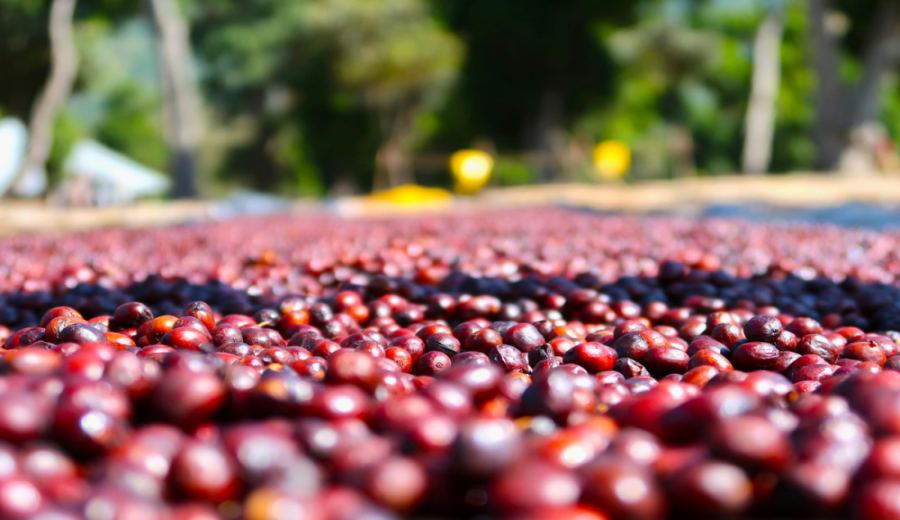
Introduction:Want to dive deeper into the unique charm of Ethiopian Yirgacheffe coffee? This article systematically explores the origins of this classic coffee, from regional history and terroir conditions to the G1/G2 grading system and the background of the Heirloom variety. It also provides professional pour over parameters, including V60 filter usage tips, water temperature control, and a three-stage pouring method, to help you precisely extract its clean, bright citrus notes.
As the birthplace of specialty coffee, Ethiopia has long been globally renowned for its distinct regional characteristics and complex floral-fruit flavors. Among these, the Yirgacheffe region stands out with its unique foggy climate and high-altitude environment, producing highly recognizable bright acidity and elegant floral aromas, making it a top choice for many coffee enthusiasts. But to truly appreciate the value of this coffee, one must analyze it layer by layer—from the regional system and processing method evolution to varietal characteristics.
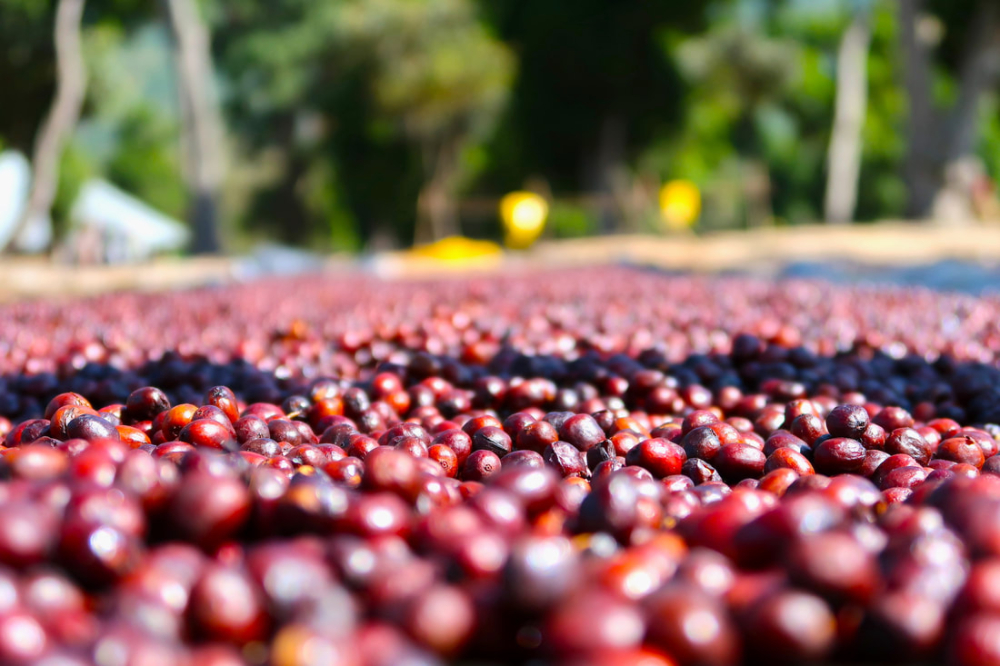
The Yirgacheffe region is located on the southern plateau of Ethiopia, at an altitude between 1,700 and 2,100 meters. The perennial morning fog and mild temperatures provide an ideal environment for coffee tree growth. Local farmers practice agroforestry, often growing coffee plants alongside fruit trees and grains. This traditional planting method indirectly enriches the flavor complexity of the coffee. Notably, Yirgacheffe was originally a sub-region of Sidamo, but it became an independent zone in the late 20th century due to its distinctive flavor profile.
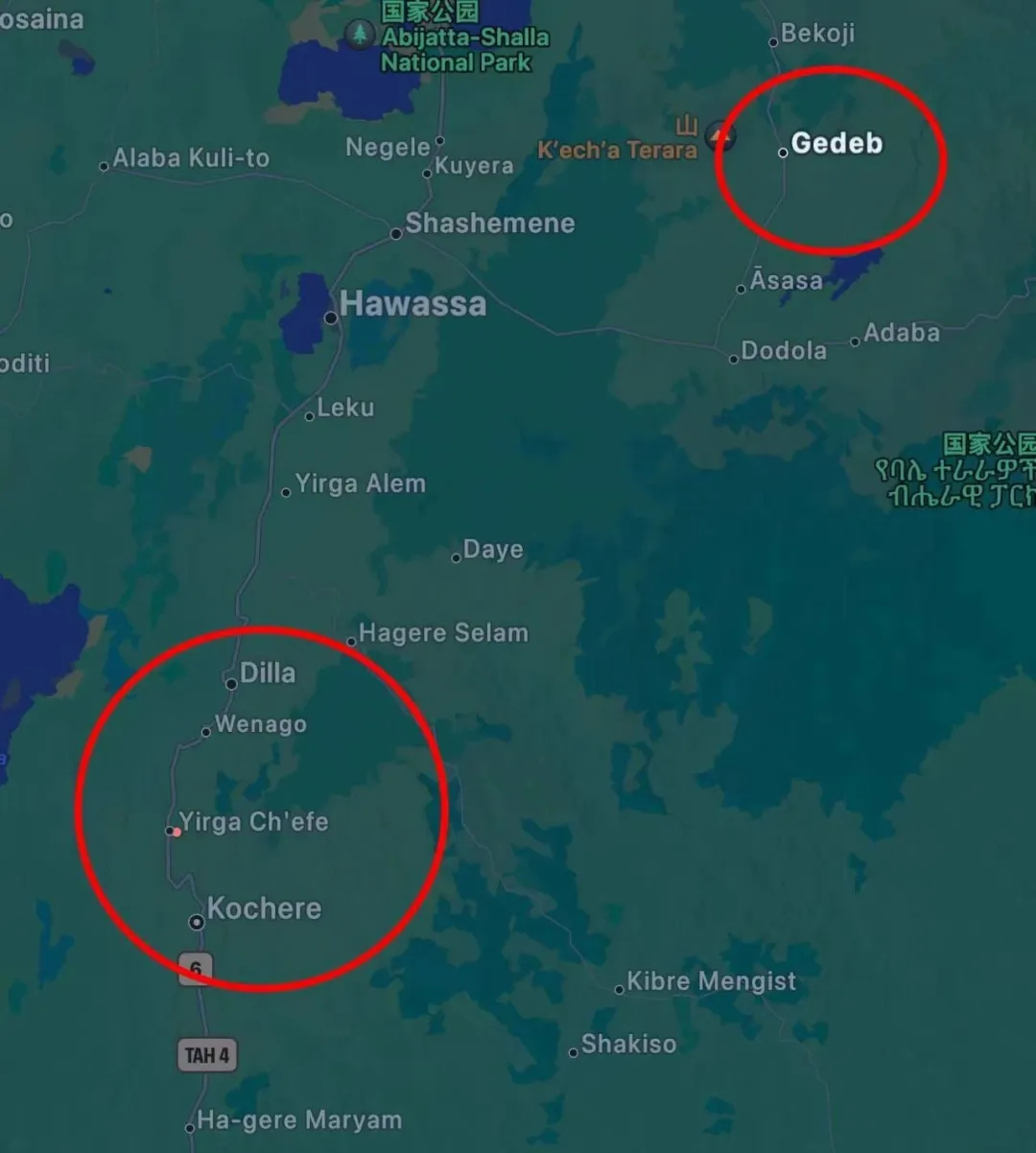
To protect the reputation of its distinctive regions, the Ethiopian government registered the names of three core regions, including Yirgacheffe, as trademarks in 2004. The Ethiopian Commodity Exchange (ECX), established in 2008, further standardized export criteria, allowing only coffees that pass official flavor certification to bear the Yirgacheffe label. Currently, the legally permitted regions include the town of Yirgacheffe itself, Wenago, Gedeb, and Kochere, but all products must undergo rigorous cupping screening.
Regarding green bean grading, Ethiopia uses a dual-track system: natural and washed beans are rated separately. For washed beans, for example, G1 grade requires no more than 3 defects per 300 grams of green beans, while G2 allows 4–12 defects. Although the numerical difference seems significant, after manual sorting, the actual performance gap between the two during roasting narrows. For cost-conscious consumers, G2-grade Yirgacheffe remains a high-quality choice, especially for those interested in trying classic washed processing.
When discussing Yirgacheffe, one cannot overlook the Heirloom variety. This term, derived from the English word "heirloom," actually encompasses tens of thousands of wild or uncategorized Arabica native varieties in Ethiopia. Since most of these plants grow in semi-forest or pristine jungle environments and lack systematic genetic records, local farmers rely on generational experience to distinguish their characteristics. These native varieties generally feature small, round beans and are often noted in cuppings for their bright citrus notes and richly layered floral aromas, forming the core flavor contributors of Yirgacheffe.
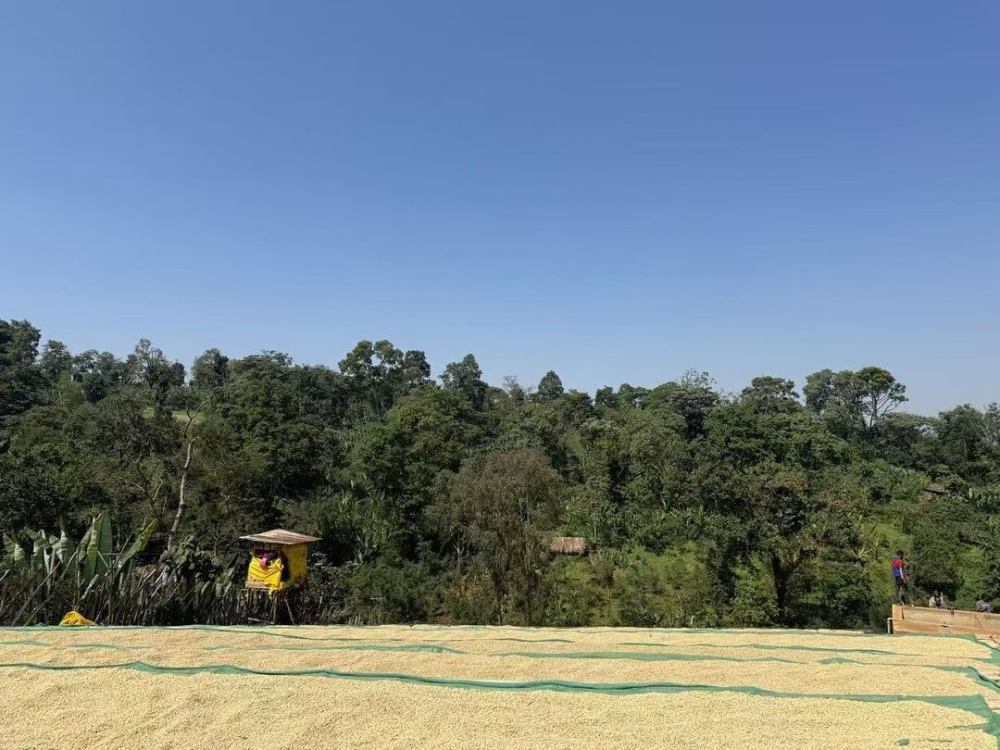
Why is washed processing so crucial for Yirgacheffe? Since its introduction from Central and South American techniques in 1972, washed processing has become a hallmark of the region. Compared to the natural fermentation of sun-dried processing, washed processing removes the mucilage layer through water channel fermentation and manual washing, resulting in a purer acidity and clearer flavor structure. This process requires a continuous supply of clean water, which is more costly but effectively improves green bean consistency. The G2-grade washed Yirgacheffe, when medium-light roasted, perfectly preserves the advantages of this processing method.
For home pour over brewing, we recommend using a V60 filter with the following golden parameters: water temperature controlled at 92–93°C, a 1:15 coffee-to-water ratio when using 15 grams of coffee, and a grind size similar to coarse sugar (approximately 78% passing through a #20 sieve). The specific steps are divided into three phases: first, pour 30 ml of hot water for a 30-second bloom to release aroma; second, pour in a circular motion up to 125 grams, then pause and wait for the coffee bed to descend to the middle of the filter; finally, pour up to 225 grams to complete extraction, with total time controlled around 2 minutes. This method balances sweetness and body while highlighting the fresh notes of berries and lemon.
Once brewed, the black coffee of Yirgacheffe releases a complex aroma of honey and jasmine upon opening. The initial sip is dominated by bright citrus acidity, accompanied by a green tea-like clean finish. As the temperature slightly drops, berry sweetness and a subtle creamy texture gradually emerge, with a gentle sugarcane-like sweetness lingering in the aftertaste. The overall profile is clean and refined, free from astringency, fully showcasing the delicate qualities of high-altitude washed beans.
The above content is compiled by CoffeeHunters, a coffee news website.


