







Introduction:Washed Ethiopian Yirgacheffe G1 grade coffee beans are renowned for their bright fruity and floral notes and clean mouthfeel, making them a top choice for medium-to-light roast pour-over enthusiasts. This article delves into the characteristics of the washed processing method, explores how it differs from the natural process, and details the typical flavor profile of this bean variety—jasmine, citrus, berries, and layers of honey. It also provides comprehensive parameters and step-by-step instructions for both standard pour-over and iced pour-over brewing, helping you precisely master extraction essentials and easily recreate a bright and clear cup of Yirgacheffe at home.
In the world of specialty coffee, the washed processing method has always played a pivotal role, especially for Ethiopia’s Yirgacheffe region, where it is key to showcasing its distinctive regional flavors. Washed Yirgacheffe G1 beans, with their clean and bright acidity, delicate floral aromas, and honey-like sweetness, have become a classic among many pour-over lovers. This article starts with the basic principles of washed processing, takes you in-depth into the characteristics of this method, compares it with the natural process, and further analyzes the flavor performance of this bean variety under medium-to-light roasting.
The Essence and Processing Flow of Washed Coffee
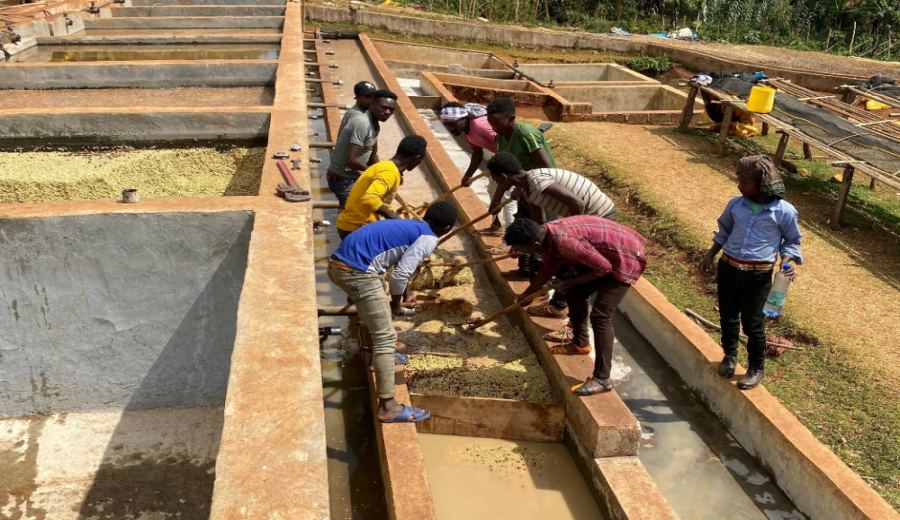
Known as the washed process (Washed Process), this is a traditional coffee processing technique that relies on water. Its main steps include: first removing unripe or damaged coffee cherries via floatation, then stripping away the outer skin and pulp, leaving the beans covered in mucilage. These are then soaked in water to ferment, which aims to break down the mucilage layer. After multiple washes and resting periods, the beans are dried and hulled to produce the green beans we know. This process not only effectively reduces the proportion of defective beans but also imparts a clear, bright acidity and a clean mouthfeel to the coffee.

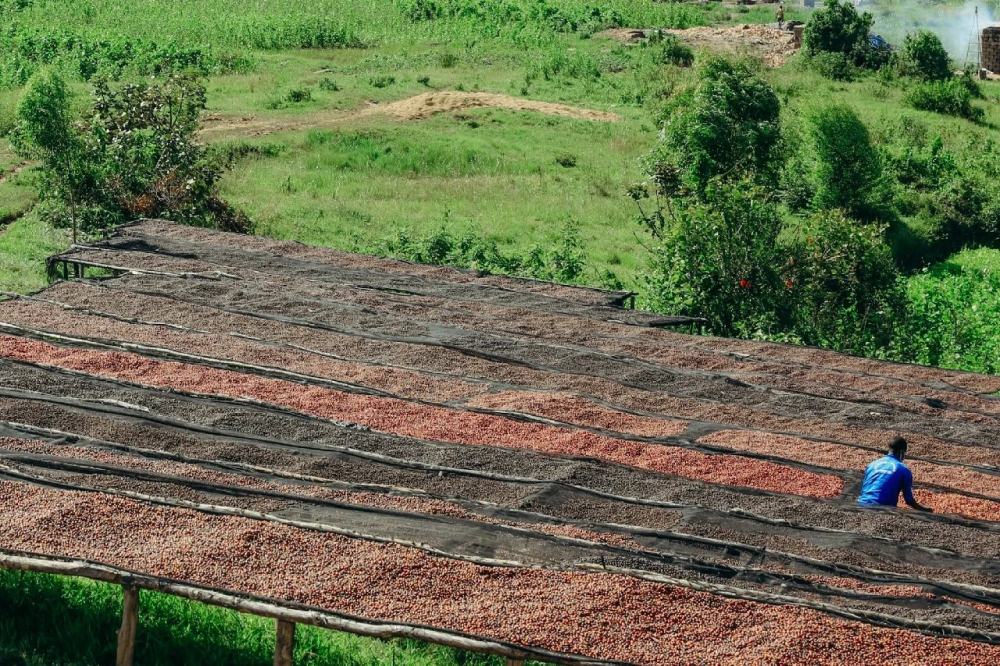
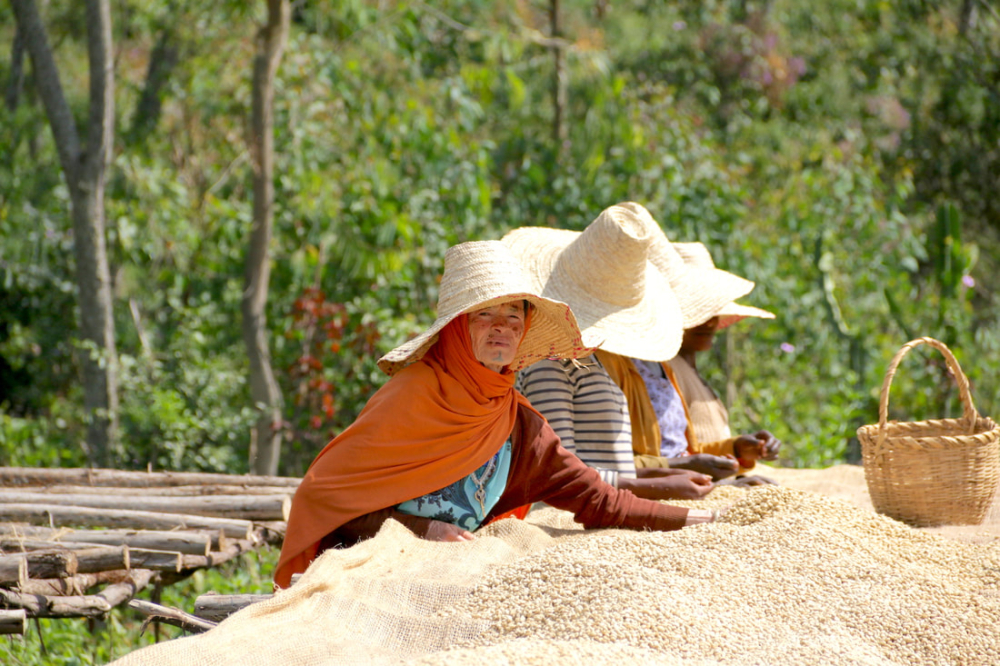
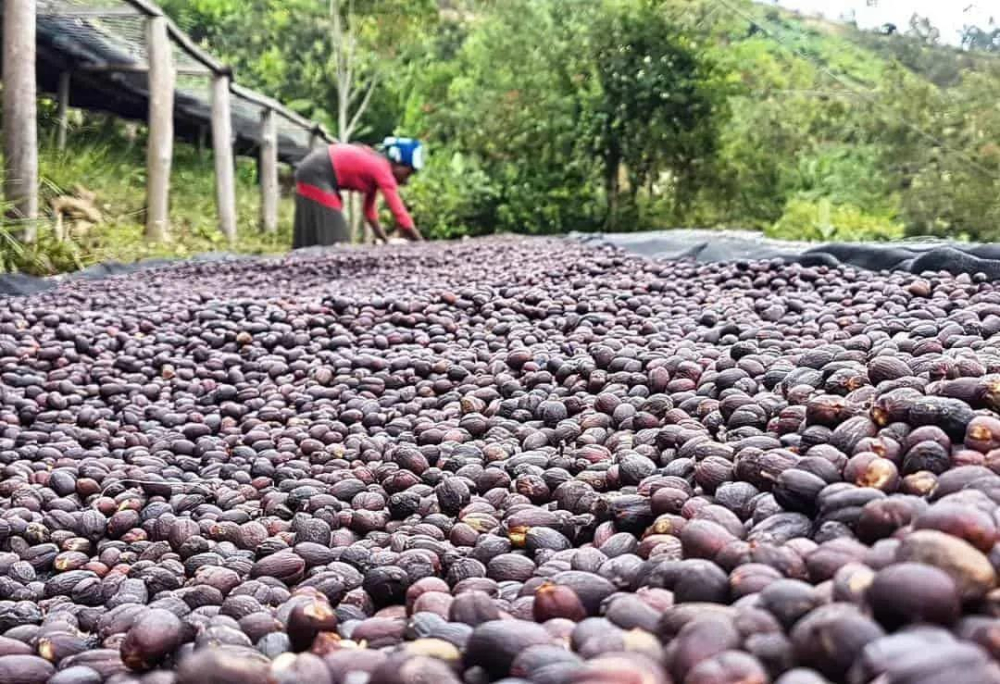
In contrast, the natural process (Natural Process) relies entirely on sunlight and air, where the entire coffee cherry is directly sun-dried until fully dry before hulling. While this method retains more fruit pulp flavors, it is relatively more susceptible to weather conditions and tends to have a higher defect rate. Early natural-processed Yirgacheffe often fell within the G3 to G5 grades, but nowadays, offerings such as Red Cherry and Red Honey Red Cherry have also been elevated to G1 quality, demonstrating different flavor potentials.
Flavor Characteristics and Roasting Philosophy of Washed Yirgacheffe
The widespread popularity of washed Yirgacheffe mainly stems from its distinctive fresh floral and fruity tonality, such as the elegance of jasmine, the crispness of citrus, and the sweet layers of berries and honey. These flavors become even more pure and transparent under washed processing. Generally, this type of bean is best presented with a medium-to-light roast, which can fully highlight its delicate floral notes and tea-like qualities, while avoiding the dullness and bitterness caused by over-roasting.
A medium-to-light roast not only preserves the original acidity and aroma of the coffee beans but also makes the mouthfeel fresher and more layered, making it highly suitable for pour-over brewing to showcase its unique regional character. For coffee enthusiasts seeking bright and refreshing flavors, washed Yirgacheffe is undoubtedly an excellent choice for both beginners and advanced drinkers.
Specifications and Basic Info for Yirgacheffe G1 Grade Beans
These washed G1 grade coffee beans, produced in Ethiopia’s Yirgacheffe region, are grown at altitudes between 1900 and 2000 meters and cultivated from the local Heirloom heirloom variety, giving rise to their unique flavor profile. The official flavor descriptors include: jasmine, citrus, berries, and honey. These characteristics are fully preserved and clearly presented under medium-to-light roasting.
Professional Pour-Over Parameters and Techniques
To fully highlight the delicate flavors of washed Yirgacheffe, it is recommended to use a V60 #01 filter cone, brewing with water at 91°C. Set the coffee dose at 15 grams, with a brew ratio of 1:16, and grind size at medium-fine, roughly equivalent to the coarseness of granulated sugar, sifted through a #20 sieve to achieve about 78% fine particle retention.
During actual brewing, start by wetting the filter paper and preheating the equipment. Then perform a 30-second bloom with 30 grams of water. Subsequently, pour water in small circles up to 130 grams for the first pour, followed by a pause once the water level drops naturally. Continue pouring up to 240 grams, then stop. Finally, remove the filter cone just before the coffee bed is exposed, with total extraction time around 2 minutes and 8 seconds. This parameter setup effectively balances acidity and sweetness, allowing the coffee to express rich fruit tones such as purple grape, cherry, strawberry, and guava, along with a warm spicy and winey finish.
An Alternative Flavor Experience with Iced Pour-Over
If you prefer cold coffee, try the iced pour-over method to experience another facet of Yirgacheffe’s bright fruity notes and tea-like qualities. Keep the dose at 15 grams, using 10 times the amount of hot water (150 grams) and 5 times the amount of ice (75 grams), slightly increasing the water temperature to 92°C. Adjust the grind size to about 83% passing through a #20 sieve (e.g., EK43s setting 9 or C40 setting 22).
The practical method involves a three-stage pour: first, place 75 grams of ice in the server and pour the coffee grounds into the filter cone, gently tapping to level. The first pour uses a small stream of about 3–4 ml per second, pouring 30 grams of hot water in a circle from the center outward, followed by a 30-second bloom. Then pour the second 60 grams of water, being mindful to control the liquid level to avoid over-heightening that could affect extraction. Finally, when the coffee liquid is about to finish dripping, pour the remaining 60 grams of hot water, ensuring the total extraction time falls between 1 minute 50 seconds and 2 minutes.
This method produces an iced coffee with bright fruit tones primarily of pomelo, orange, yellow peach, and sweet tangerine, with a soft tea-like finish. Combined with the cooling effect of the ice, the overall mouthfeel is refreshing and layered, much like a fruit-filled iced tea, making it perfect for summer enjoyment.

The above content is compiled by CoffeeHunters, a coffee news website.


