








Introduction:Want to easily make a refreshing and bright Yirgacheffe cold brew at home? This article uses washed beans from Ethiopia’s Yirgacheffe region as an example to deeply analyze the key brewing parameters for cold brew coffee, including the optimal grind size, coffee-to-water ratio range, and recommended steeping time in the refrigerator. It also explains how different roast levels affect flavor, helping you master the essentials of cold brew all at once.
Cold brew coffee, with its clean taste and rich layers, has become the go-to choice for many coffee lovers during hot summer days. Unlike traditional hot brewing methods, cold brew extracts flavors through long-term low-temperature immersion, which reduces the release of bitter substances while highlighting the fruit acids and sweetness naturally present in the coffee. This article will use washed beans from Ethiopia’s Yirgacheffe region as an example to detail how adjusting grind size, coffee-to-water ratio, and steeping time can help you create a cup of cold brew with honey and green tea notes, featuring a balanced sweet and sour profile.

On the iced drink menus of coffee shops, cold brew is as popular as classic Americanos or lattes. Its most distinctive features are a smooth mouthfeel, a refreshing finish, and often unique fermentation aromas or subtle wine-like notes—traits that stem from the characteristics of low-temperature, long-duration extraction. Because the water temperature is relatively low, large-molecule bitter compounds are less likely to be extracted, allowing acidity and sweetness to fully shine, resulting in an overall cleaner and more layered flavor profile.
The basic principle of cold brew is using cold water to steep coffee grounds over an extended period to extract flavor. Due to the lower temperature, it effectively suppresses over-extraction, making the fruit acids, floral notes, and sweetness of the coffee more pronounced, which suits drinkers who prefer a refreshing taste. If you choose medium to dark roasted beans, cold brew often yields a rich, full-bodied flavor with low acidity and caramel or chocolate undertones; whereas medium to light roasted beans can better showcase floral and fruity aromas along with delicate sweet and sour nuances.
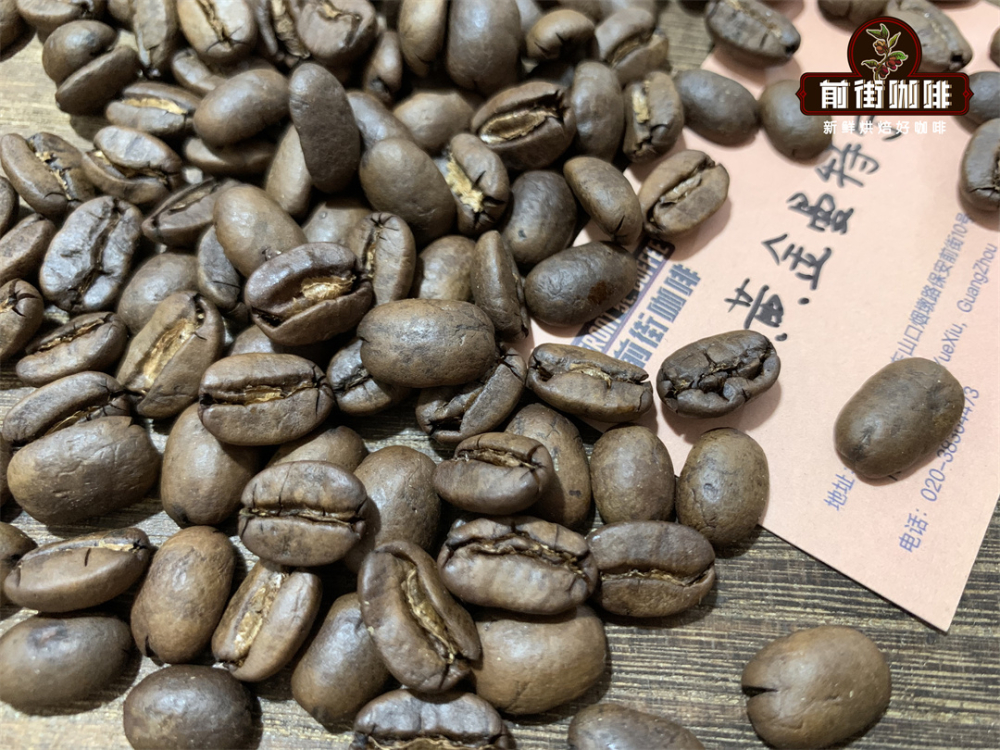
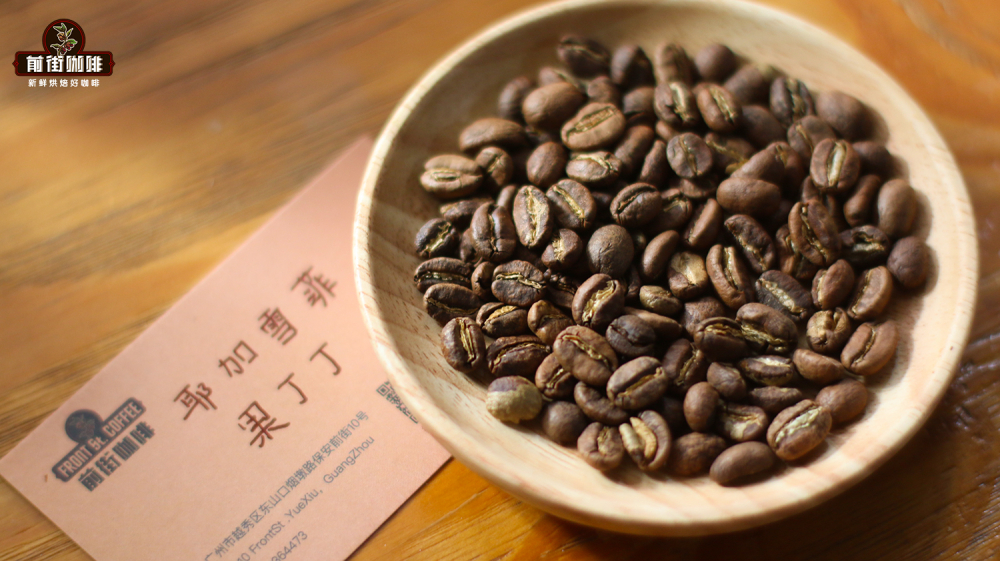
Taking washed beans from Ethiopia’s Yirgacheffe region as an example, such beans typically have bright acidity, citrus fruit notes, and floral aromas, making them highly suitable for making cold brew. For instance, the Guodingding coffee beans from Yirgacheffe are washed-processed, G1 grade heirloom variety, grown at high altitudes of 1850–2100 meters. Their flavor profile includes white floral notes, citrus, red plum, and moderate acidity. After cold brewing, they can exhibit honey and green-tea-like sweetness, making them ideal for coffee lovers trying cold brew for the first time.
The Guodingding coffee beans come from a representative cooperative in the Yirgacheffe region. Thanks to the area’s excellent climate and soil conditions, the coffee beans produced there are usually rich in aromatic precursors, and washed processing further highlights their fresh qualities. During the cold brew process, these beans effectively suppress unwanted off-flavors while releasing well-defined fruit acids and sweetness. The result is a comfortable balance of sweet and sour on the palate, perfect for those who enjoy refreshing flavors.
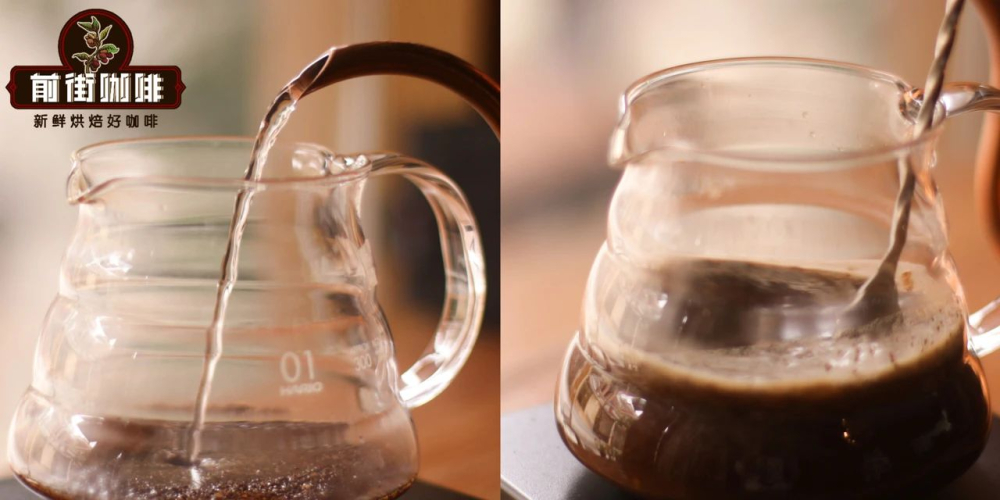
If you want to make Yirgacheffe cold brew at home, it’s recommended to start with 50 grams of coffee grounds. In terms of grind size, although cold brew uses cold water, because it’s a long-duration immersion extraction method, it’s still advisable to use a slightly coarser grind than what you’d use for pour over, to ensure a balanced flavor. If tested with China’s commonly used 20-mesh sieve, a pass-through rate of about 75% is ideal. Place the ground coffee into a glass container, add 500 grams of cold water, and aim for a coffee-to-water ratio of around 1:10. Then, use a stirring stick to mix the coffee grounds and water evenly, ensuring each coffee particle is fully in contact with the water. Afterward, seal the container and place it in the refrigerator for extraction.
The recommended refrigerated steeping time is 16 to 18 hours. During this time, the flavor compounds in the coffee grounds will gradually dissolve into the water. The longer the time, the more intense the flavors in the extraction will become, with sweeter, sourer, and more pronounced bitter notes; if the time is shorter, the flavor will be relatively softer and the concentration lighter. Once steeping is complete, use filter paper to remove the coffee grounds and obtain a clear coffee extract. To stabilize the flavor further, it’s recommended to refrigerate the filtered coffee liquid for about 4 more hours before drinking, as this will make the flavor more concentrated and smooth.
In summary, the key to making a flavorful Yirgacheffe cold brew lies in controlling the grind size, coffee-to-water ratio, and steeping time. It’s suggested to start with a 1:10 coffee-to-water ratio, a coarse grind size with about a 75% sieve pass-through rate, and a 16–18 hour refrigerated steeping time, then fine-tune based on personal taste preferences. With this approach, you too can easily enjoy a professional-level cold brew experience right at home, just like in a café.
The above content is compiled by CoffeeHunters, a coffee news website.


