







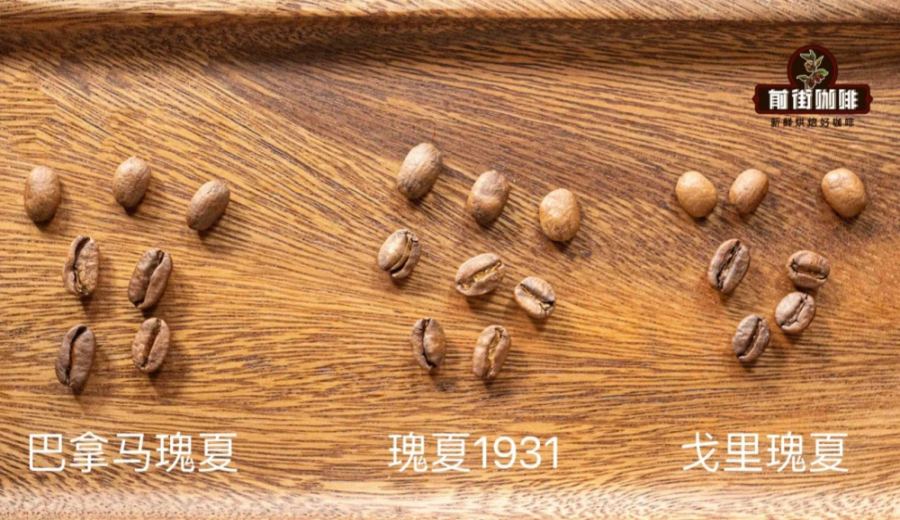
Introduction:Geisha coffee, with its distinctive floral and citrus notes, has become a star variety in the specialty coffee world. However, its high price and rarity deter many. This article delves into the characteristics of the Geisha variety, explores the three-tier grading system of Panama’s Hacienda La Esmeralda, and offers practical strategies to achieve “Geisha freedom,” including high-value blends and entry-level single-estate options to help you find your ideal Geisha experience.
Geisha coffee is hailed as the dream bean among global specialty coffee enthusiasts. Its signature floral and citrus profiles always deliver a richly layered sensory experience. Yet, this highly sought-after coffee is not only scarce in production but also demands extremely stringent growing conditions, which contribute to its lofty market price. This article will guide you from the essence of the Geisha variety, introduce the renowned Red, Green, and Blue Label tiers of Panama’s Hacienda La Esmeralda, and share two budget-friendly ways to enjoy Geisha: blends like Flower Dance, and entry-level lots from well-known estates. Through these choices, you too can gradually achieve your own “Geisha freedom.”
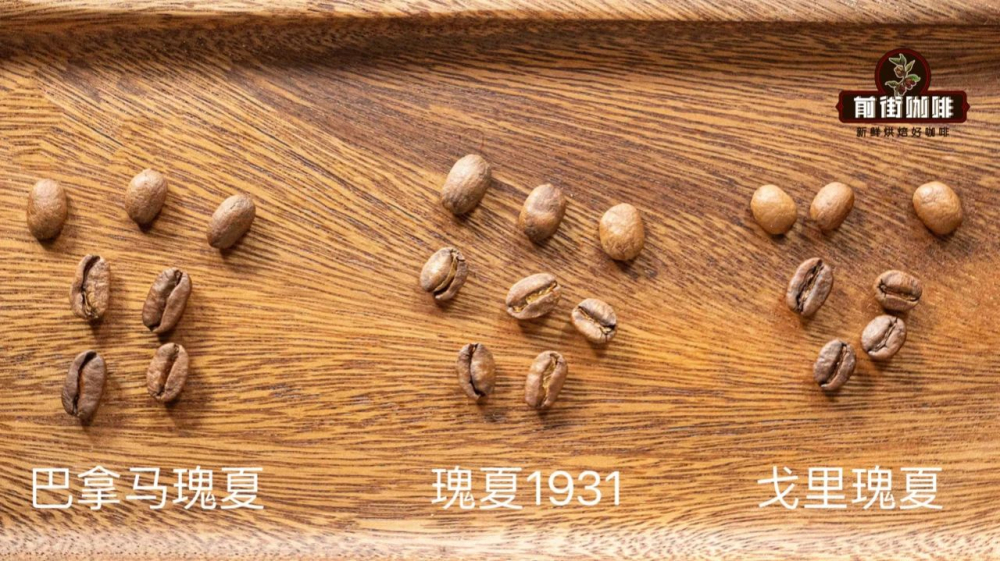
At the start of the Lunar New Year, many people make wishes related to lifestyle aspirations, and “Geisha freedom” is a common goal among coffee lovers. With the rise of the specialty coffee trend, the cultivation of Geisha has expanded from Panama to many other renowned regions worldwide. For instance, Clifton Estate in Jamaica’s Blue Mountain region launched an impressive Blue Mountain Geisha in 2020, showcasing the diverse expressions of the Geisha variety across different terroirs.
The primary reason for the high price of Geisha coffee lies in its extremely low yield. Compared to other common coffee varieties, Geisha trees have wider branch spacing, fewer flowers, and lower fruit set rates. Additionally, their tall stature makes harvesting more challenging. In the early days, Geisha was even used merely as a windbreak tree in Panama, highlighting just how scarce its production is. Due to limited supply, market supply and demand dynamics have long favored sellers, naturally driving up prices.
Beyond the plant’s inherent growth traits, cultivating Geisha with outstanding flavor also requires strict environmental conditions. Ideal growing regions need moderate temperatures—too low can cause frost damage, harming plant health—while higher altitudes paired with significant day-night temperature variations help the Geisha trees slowly accumulate nutrients, resulting in delicate floral aromas and bright citrus flavors. These innate conditions are also part of what makes Geisha coffee so rare.
If you want to experience the flavor of Geisha at a more affordable price, blended Geisha beans are a worthwhile option, with Panama’s Boquete region’s “Flower Dance” being one representative. This blend is based on 70% Geisha, mixed with 30% of Panama’s common Catuai and Caturra varieties. When brewed, it captures the delicate floral notes unique to Geisha while also offering the nutty texture and full body contributed by Catuai and Caturra, making it a top recommendation for many coffee aficionados as an introductory Geisha. Some roaster teams also often list it as a recommended starting point for exploring the world of Geisha.
If you wish to further experience the allure of pure Geisha, choosing entry-level lots from reputable estates is also a cost-effective solution. Taking Panama as an example, Hacienda La Esmeralda is the industry’s recognized benchmark for Geisha, while Ethiopia is represented by Gesha Village Estate. It’s important to note that when selecting, you should first rule out lots mixed with non-Geisha varieties, and it’s advisable to start with each estate’s entry-level grades. This ensures the core flavor profile while allowing you to experience the unique charm of Geisha at a more reasonable budget.
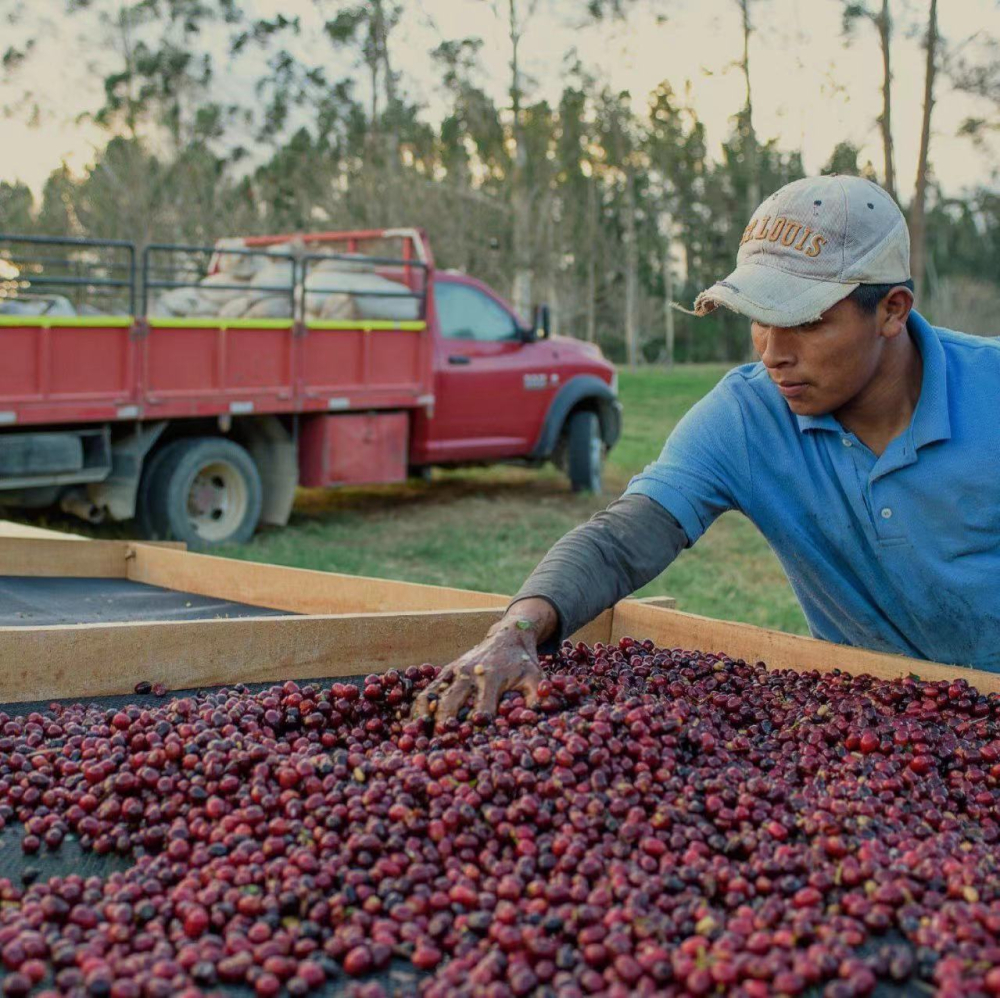
When it comes to grading Panamanian Geisha, Hacienda La Esmeralda’s classification is the most indicative, primarily divided into Red, Green, and Blue Label tiers. Among them, Blue Label Geisha, grown at relatively lower altitudes and harvested using a mixed method, offers the best value among the three. Notably, since 2020, Hacienda La Esmeralda’s Blue Label Geisha has added a natural (sun-dried) processing method, giving consumers the choice between washed or natural flavor profiles. Washed Blue Label typically exhibits fresh notes of lemon, oolong tea, cane sugar, and subtle peach; whereas Natural Blue Label boasts sweet fruity aromas like passion fruit, lemon, and honey, with a slight fermentation edge, suiting those who prefer bold flavors.
The above content is compiled by CoffeeHunters, a coffee news website.


