







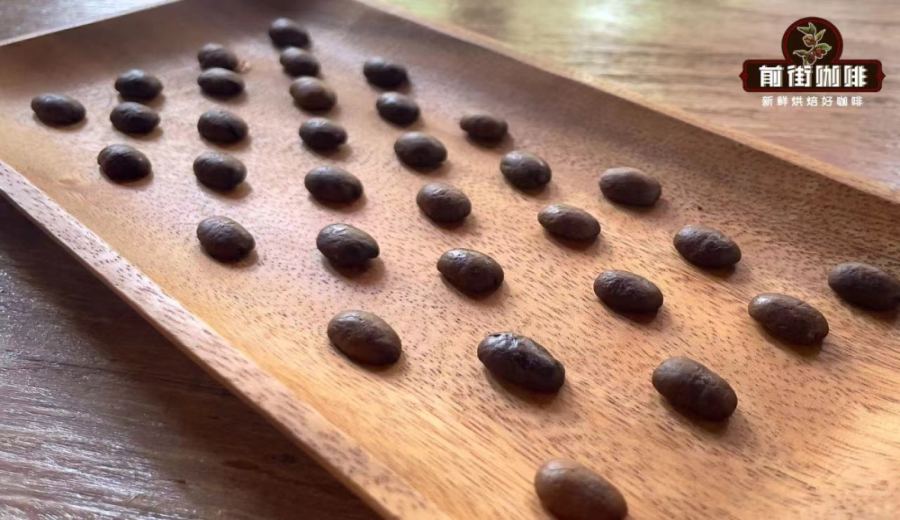
Introduction:Mandheling coffee and espresso represent two extremes of flavor in single-origin coffee and Italian extraction, respectively. The former is known for its herbal and spicy notes, while the latter emphasizes richness and layers of crema. Judging which one tastes better isn’t about determining a winner, but rather about which style you prefer. This article delves into the fundamental differences between espresso and single-origin coffee, introduces the pros and cons of blends and SOEs, and includes popular Mandheling and Italian blend recommendations to help you find your perfect cup.
When espresso comes to mind, people often envision a thick, smooth, and richly crema-covered black liquid — the essence extracted under high pressure. Indonesian Mandheling, on the other hand, is a classic single-origin coffee, renowned for its full body, low acidity, and unique herbal and spicy flavors. If asked which is better, the answer isn’t straightforward. It depends on whether you prefer the balance and intensity achieved under an espresso machine’s high pressure or the nuanced flavors of a single origin brought out by pour over or drip brewing.
What is espresso? Strictly speaking, this type of coffee is made using a professional espresso machine ataround 9 bars of pressurewithwater heated to 90.5 to 96°C, passing through finely ground coffee beans to extract about40 grams of liquid(a double shot) in
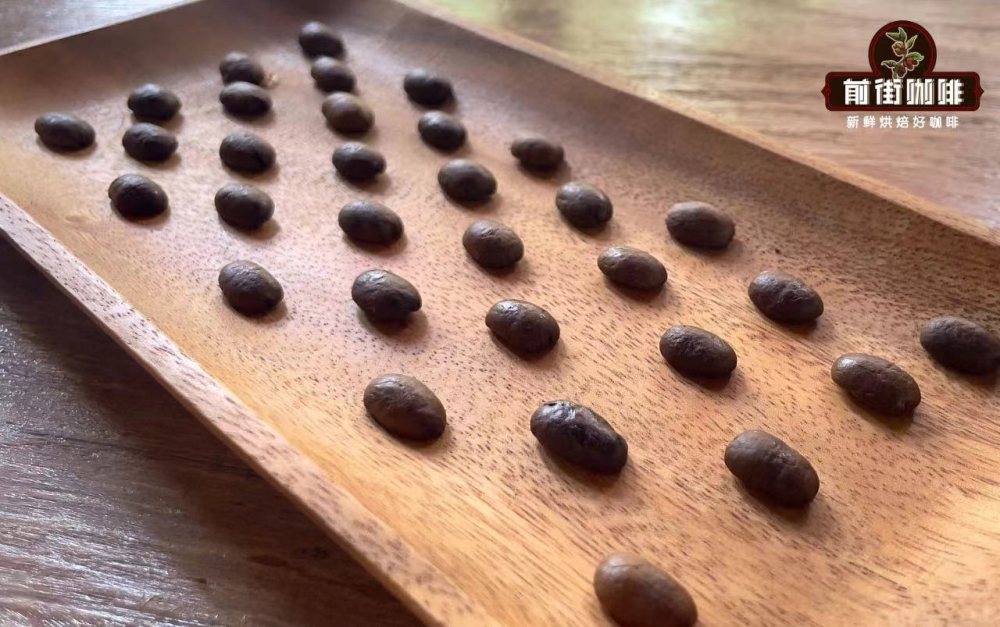
20 to 30 seconds. This extraction method enhances the coffee’s bitterness, body, and aroma, and forms a thick layer of crema — coffee oils — a layer of complexity that single-origin coffee rarely achieves.
However, pure espresso can be too bitter for most people, so it’s commonly combined with milk to make milk-based drinks like lattes and cappuccinos. The ratio and how the milk foam is handled greatly influence the overall flavor, but the foundation remains that highly concentrated shot of espresso.In contrast, Mandheling is a well-known single-origin coffee bean from Indonesia’s Sumatra region, celebrated for itslow acidity, full body, and balanced bitterness and sweetness. Processed using the “wet hulling” method, it boasts unique earthy, herbal, and spicy aromas, with a rich and layered flavor profile and a long-lasting aftertaste. It’s often seen as an entry-level choice for single-origin enthusiasts and is also well-suited for dark roasting to highlight its robust base.
So, what is single-origin coffee? Simply put, it refers to coffee beans from the same region, or even a single farm or variety, brewed using methods suited to that region’s characteristics. For instance, techniques like pour over, French press, or siphon can more clearly present the bean’s original flavors — such as fruity acidity, floral notes, or caramel sweetness. Mandheling is a classic representative of single-origin beans, especially appealing to those who enjoy deep flavors and a lingering finish.
But why don’t most coffee shops use single-origin beans for espresso? The reason is practical. The high-pressure environment of an espresso machine tends to amplify the characteristics of beans from a single origin. For example, Ethiopia’s Yirgacheffe, if used for espresso, may have its pronounced citrus and floral notes become overly dominant, while Mandheling’s herbal and earthy tones could throw off the overall balance. Therefore, to ensure consistency and stable output, most shops opt for “blends.”
Blends combine beans from different regions and varieties in specific proportions to create a recipe that offers stable flavor, balanced acidity and bitterness, along with good crema and mouthfeel. The advantage is that it helps mitigate the impact of annual climate variations on flavor and maintains a shop’s signature profile. Many classic Italian blends, for instance, mix Brazil’s body, the nuttiness of Central and South American beans, and even small amounts of Robusta to boost viscosity and a sweet-bitter foundation.

Returning to the Mandheling vs. espresso comparison, if you were to use Mandheling beans directly for espresso, their herbal and spicy notes would become even more prominent, possibly resulting in a bold and slightly spicy taste experience — which some may find even more distinctive. However, such flavors might not meet the general expectation of a “balanced and easy-to-drink” cup. As a result, many baristas incorporate Mandheling as part of a blend to add body and deepen the aftertaste, rather than using it alone.
If you want to explore the single-origin charm of Mandheling, it’s recommended to brew it using methods like pour over or French press, which better highlight its unique spice, earthy, and nutty finish, rather than emphasizing the high-pressure characteristics of espresso. But if you prefer milk-based coffee or the silky crema of espresso, then a professionally blended shot of espresso might better suit your daily needs.
Whichever you choose, understanding the bean’s origin, processing method, roast level, and brewing technique is key to enhancing your coffee experience. Below are a few popular and well-loved Italian blends and Mandheling single-origin beans, with their flavor profiles provided for your reference.

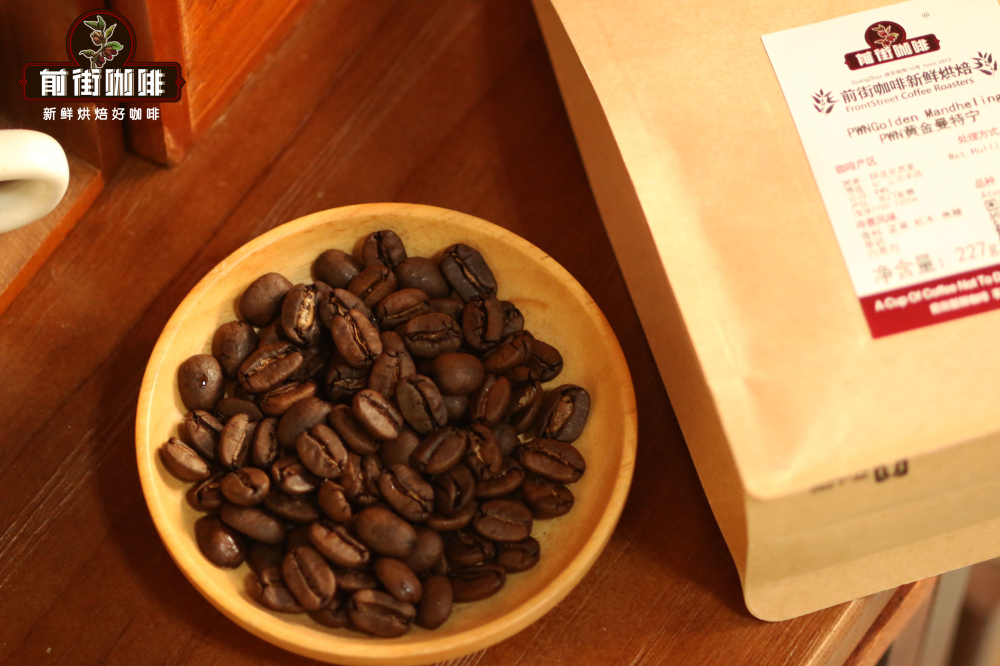
Indonesian Golden Mandheling, sourced from Gayo Mountain in Sumatra at an altitude of about 1100–1600 meters, uses the Ateng variety and is processed via wet hulling. Its flavor profile includes toast, nuts, pine, caramel, and mild herbs, with a rich yet clear body, low defect rate, and is classified as high-quality G1 grade. Another option, Lintong Mandheling, also from Sumatra’s Lintong region, primarily uses Typica and Catimor varieties and is also wet-hulled, offering roasted toast, nut, caramel, and herbal aromas — making it a popular entry choice for many new coffee drinkers exploring Mandheling.
Overall, Mandheling coffee and espresso each have their own unique charm and ideal settings. If you’re after the purity and regional character of a single origin, Mandheling is a must-try single-origin option; if you prefer the silkiness of milk coffee, the richness of crema, and balanced flavors, then a good Italian blend espresso will be your daily companion. Most importantly, find the cup that best suits your palate.
The above content is compiled by CoffeeHunters, a coffee news website.


