







Introduction:Are you unsure whether to buy coffee beans or pre-ground coffee when you’re just starting out? This article helps you make the right choice by exploring factors such as freshness preservation, flavor performance, and practical brewing advice. We delve into the importance of roast dates, the function of one-way degassing valves, and based on three roast levels—light, medium, and dark—we highlight representative beans with floral-fruity notes, caramel sweetness, and rich chocolate profiles, so you can find your ideal entry-level coffee based on personal preference.
Many newcomers to coffee often face a common dilemma: should they buy whole coffee beans or pre-ground coffee? This decision not only affects the final flavor of the coffee but also determines whether you can enjoy a fresh and layered cup. From a professional perspective, freshness, roast style, and storage methods are key factors influencing coffee quality—especially for beginners. Understanding these fundamentals can significantly enhance your drinking experience.
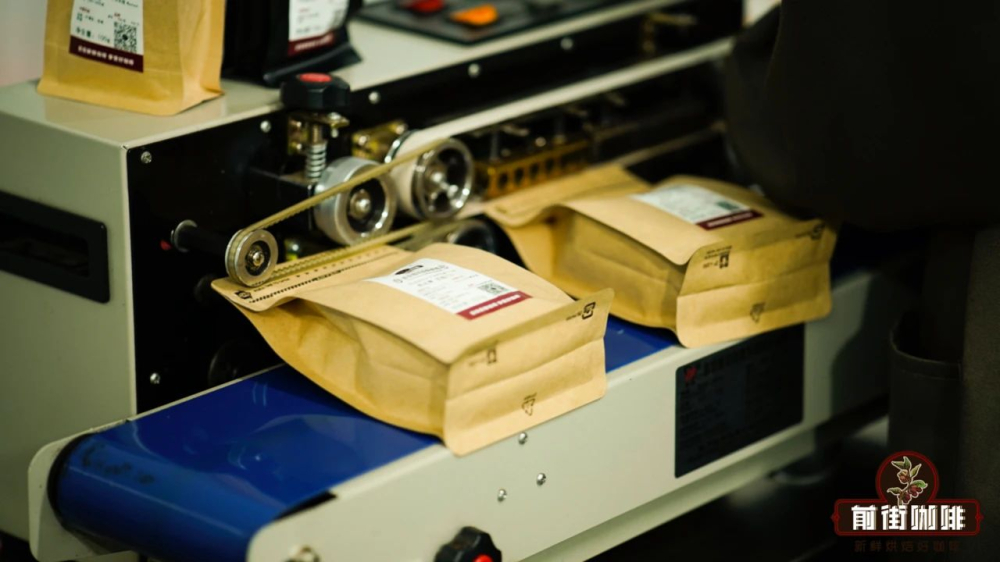
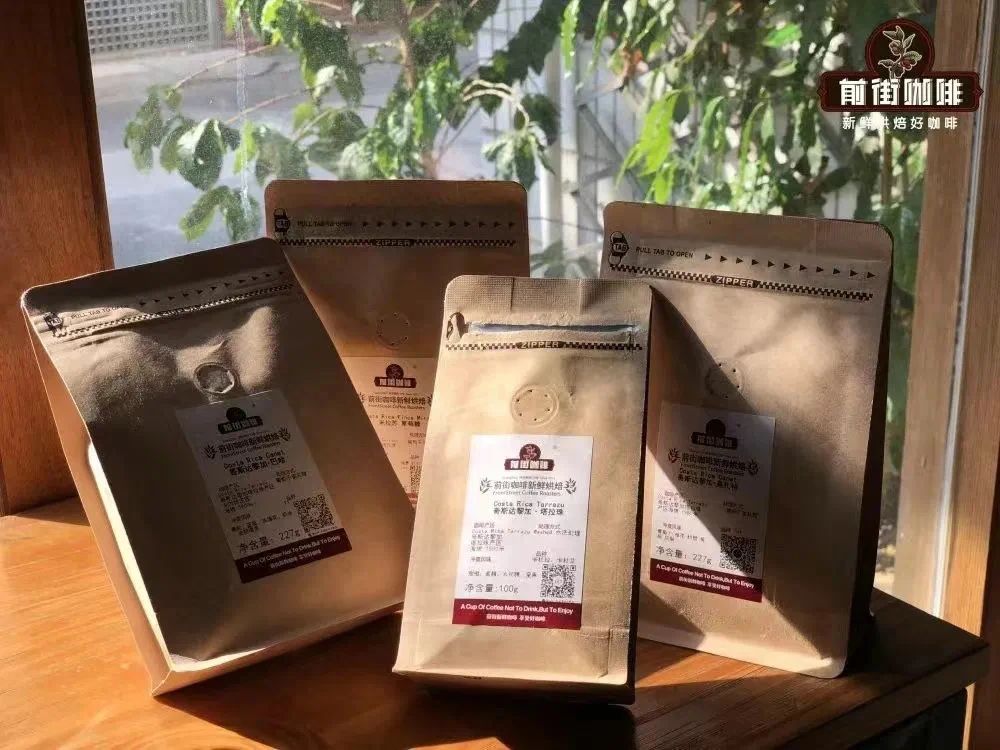
First and foremost, it’s essential to choose freshly roasted coffee beans. The most intuitive way to judge freshness is by checking the roast date on the packaging, rather than a vague expiration date. Reputable roasters typically ship their beans shortly after roasting and use professional coffee bags equipped withone-way degassing valves. This design looks like a small button located on the top of the bag, primarily functioning to allow the natural release of carbon dioxide produced by the beans while preventing external oxygen from entering and causing oxidation. When purchasing, it's recommended to prioritize products with clearly labeled roast dates and from professional roasters to ensure the flavors are at their peak.
Compared to pre-ground coffee, whole beans retain more aroma and original flavor because ground coffee has a much larger surface area, which accelerates aroma loss and oxidation. Whether you prefer pour over, French press, or espresso, if conditions allow, it’s advisable to buy whole beans and adjust the grind size according to your brewing method—this way, you can fully unlock the coffee’s potential. Moreover, no matter your brewing preference, understanding how to choose the right coffee bean variety is the first step toward elevating your coffee experience.
Generally speaking, the roast level of coffee greatly influences its final flavor profile. Light-roast coffee usually features pronounced acidity and floral-fruity characteristics, making it ideal for those who enjoy a fresh taste. Medium roast offers a more balanced acidity-to-sweetness ratio, often showcasing complex layers of ripe fruit or slight fermentation. Dark roast tends to have low acidity, high body, and intense chocolate and caramel aromas, catering to those who prefer a bold flavor. Once you understand this basic rule, you can quickly narrow down suitable coffee beans based on your taste preferences.
For drinkers who enjoy bright acidity and floral-fruit aromas, light to medium roasts are an excellent choice. These coffees often exhibit vibrant notes like citrus, berries, honey, or even green tea, with less bitterness. They are well-suited for pour over brewing, which can fully highlight their delicate flavors.For example, some Ethiopian beans often carry bright berry and citrus notes, along with a tea-like aftertaste; Rwanda’s Red Bourbon may present layers of berries, caramel, and nuts.These bean varieties are generally suitable for beginners who prefer a fresh taste and want to explore diverse coffee flavors.
If you prefer something slightly richer yet still fruity and layered, medium roast is a great entry point. Such coffees often blend the sweetness of fruit with mild fermentation complexity, achieving a balanced acidity and sweetness along with rich aroma. They suit various brewing methods. For instance, Costa Rica’s Blackberry or Colombia’s Caturra often feature aromas of grape, berry, passion fruit, and apricot, some even with a sweet dried-fruit-like finish—perfect for those who want to enjoy mature fruitiness without too much intensity.
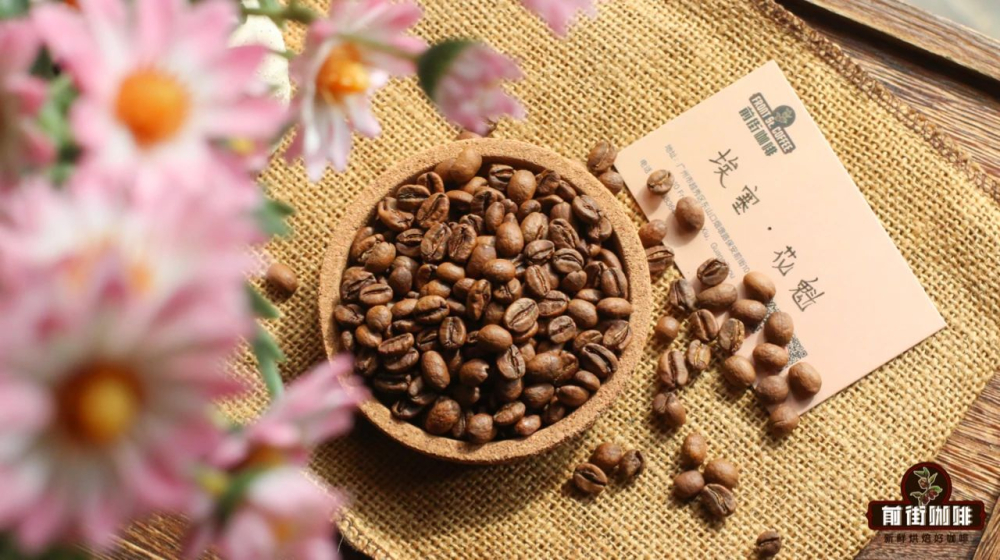
As for those who prefer a bold, full-bodied taste and have a higher tolerance for bitterness, dark roast coffee beans are definitely worth trying. These coffees typically showcase strong chocolate, caramel, and spice notes, with very low acidity, smooth mouthfeel, and a long-lasting finish. Examples include Indonesia’s Golden Mandheling, Brazil’s Queen Estate, or Colombia’s Huila—each are iconic choices among dark roasts. These beans often carry aromas of dark chocolate, roasted nuts, cocoa, and cream, making them ideal for espresso machines or French presses, where their rich and bold character can be fully expressed.
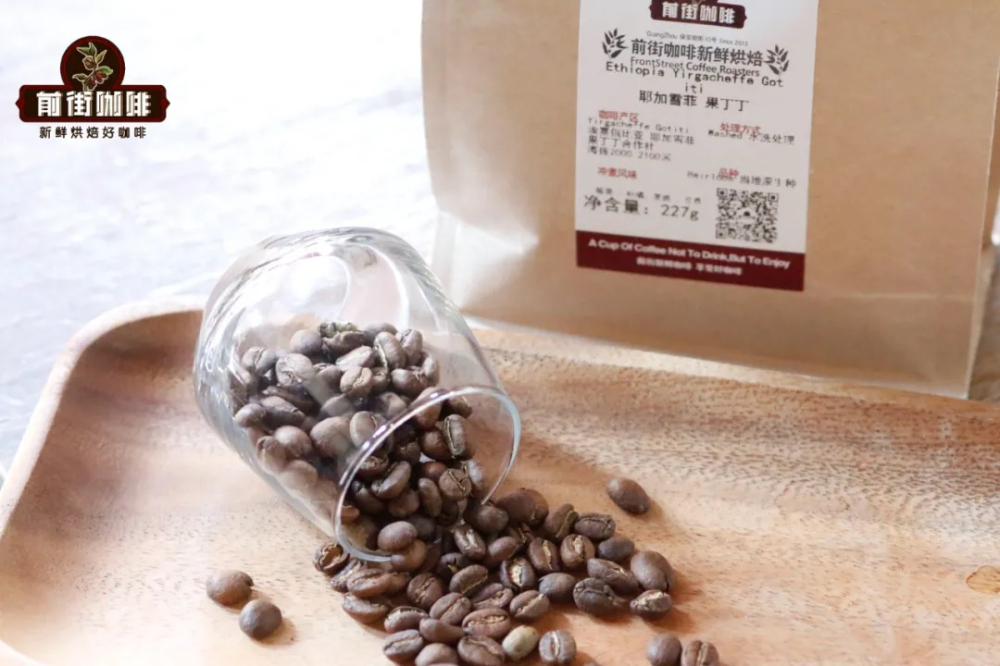
No matter which roast level you ultimately choose, remember to check the roast date when purchasing and prioritize packaging with a one-way degassing valve to maintain freshness. Additionally,opt to buy whole beans and grind them yourself. This not only ensures maximum aroma retention but also allows you to adjust the grind size according to different brewing methods, bringing out the most authentic flavor of the coffee. From the floral-fruit freshness of light roasts to the rich body of dark roasts, finding the coffee that suits your taste is the first step toward enjoying coffee.
The above content is compiled by CoffeeHunters, a coffee news website.


