








Introduction:Making cold brew coffee at home may seem simple, but crafting a balanced and clean-tasting final cup actually involves quite a bit of know-how. From the optimal steeping duration and coffee bean roast level, to grind size and filtration methods, each step can significantly impact the final flavor. This article breaks down the key brewing parameters for cold brew, including recommended coffee-to-water ratios, ideal steeping time ranges, and the types of coffee beans best suited for cold brew. It also offers practical tips on filtration and storage, so you can easily brew a professional-grade, refreshing iced coffee at home.
When summer heat strikes, a chilled cup of cold brew coffee is undoubtedly an excellent choice for both refreshment and relief from the heat. However, many coffee enthusiasts who try making it at home—even when following so-called “standard recipes”—often find that their results are either overly thin in flavor or marred by unpleasant astringency or over-extracted bitterness. So what’s going wrong? In fact, the success of cold brew depends on the precise coordination of several critical factors.

Especially during hot seasons, the demand for cold brew coffee surges. But if you’d rather not venture out in the heat to buy coffee, why not try making it yourself at home? With just a few important tips mastered, you too can enjoy a cold brew that balances sweet and sour notes with lingering aromatic complexity.
First, the steeping time for cold brew coffee is generally recommended to be within8 to 18 hours, which follows a vastly different extraction logic compared to hot water brewing. Since cold brew uses cold water at temperatures between 4–10°C, the extraction rate is significantly slower. As a result, a longer duration is needed to fully extract the flavor compounds, sugars, and organic acids from the coffee—resulting in a brew that is bright in acidity, sweet in profile, and rich in mouthfeel. In practice,10 to 14 hoursis the most commonly recommended safe range, and beginners can fine-tune according to personal taste.
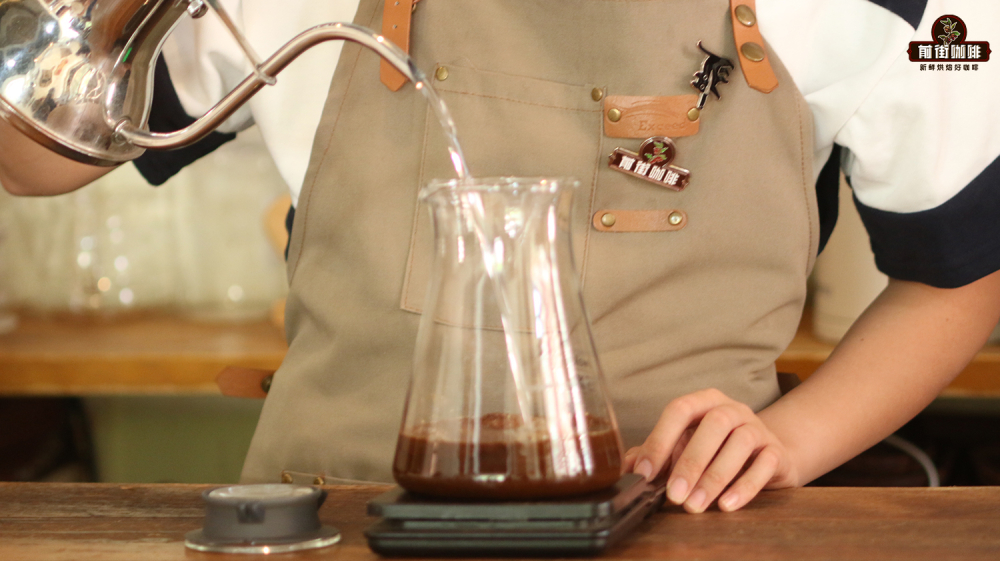
One experiment compared the effects of different steeping times on cold brew flavor: under the same conditions, samples were steeped for 4, 10, 16, and 24 hours. The 4-hour sample was found to be extremely weak in flavor, almost indistinguishable; the 24-hour sample showed clear signs of over-extraction, with pronounced bitterness. Meanwhile,the 10- and 16-hour cold brewsdemonstrated the best balance—the former being refreshing and the latter richer—making these two time points ideal starting points for beginners.
Secondly, when selecting coffee beans, it’s important to note that the definition of “freshness” differs greatly between cold brew and hot brewing. Generally, hot brewing favors “fresh beans” roasted within 10 days, which are still releasing CO₂. For cold brew, however, the opposite is true. Because the cold environment inhibits CO₂ release, using beans that have just been roasted can lead to under-extraction and muted aromas. Therefore,it is recommended to choose coffee beans roasted more than 10 days prior, allowing enough time for the beans to degas and to bring out a more layered aroma.

In addition, the “stirring” step during the cold brew process is also crucial. Many people, for the sake of convenience, simply add water and place the mixture in the fridge without stirring, which can result in only the surface of the coffee grounds getting wet, leaving dry pockets inside. This not only leads to uneven extraction but may also cause noticeable flavor gaps in the final brew. The correct approach is to stir thoroughly after adding water to ensure all coffee grounds are evenly saturated. Then, give it a light stir again after steeping before filtering. This ensures a cold brew with consistent flavor and a smooth mouthfeel.
Filtration is another make-or-break factor for texture. Cold brew often contains very fine coffee particles that can leave a gritty sensation on the palate, or even visible sediment at the bottom of the cup. Common filtration tools include filter screens, paper filters, metal filters, and cloth filters (e.g., flannel). Among these, paper filters are more effective at trapping very fine particles and coffee oils. A double-filtration method is recommended: first use a built-in filter screen for initial straining, then follow up with a high-density paper filter for a second pass, which can significantly enhance the purity of the brew’s texture. Letting the filtered coffee sit refrigerated for 3 to 4 hours can further aid flavor maturation, making the acidity more transparent and the overall profile more nuanced.
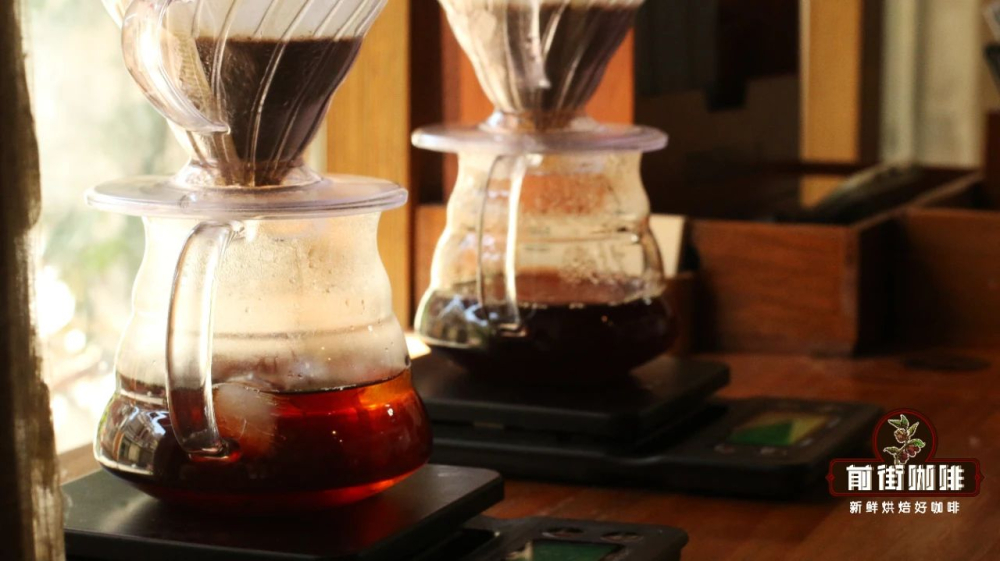
As for coffee bean selection,light to medium roastsare usually better at highlighting the refreshing characteristics of cold brew. For example, beans with citrusy notes, white floral tones, and honey-like sweetness—or those offering dried fruit fermentation aromas, red floral notes, and creamy textures—can all bring captivating flavors to cold brew. It’s recommended to try beans with citrus, tea-like, and honey profiles, or select regional beans with unique characteristics such as small tomatoes, dark plums, or plums—like certain processed beans from Kenya or Costa Rica—which can showcase a diverse range of flavor layers in your cold brew.

Finally, regarding mixed drinks, cold brew’s naturally refreshing profile makes it ideal for pairing with fresh milk to create a cold brew latte. It is suggested to mix ina 1:1 ratioof fresh milk, which can soften the acidity of the coffee while adding a creamy texture—making it a favorite summer drink among many coffee lovers. If you’re not a fan of the straightforward taste of black coffee, adding a moderate amount of sugar or non-dairy creamer is also a great option, allowing you to customize your perfect summer iced coffee to your liking.
The above content is compiled by CoffeeHunters, a coffee news website.


